
A radiator leaking from valve usually starts as a small nuisance – a drip on the floor, a damp patch under the pipe, or a rusty mark on the skirting board. Left alone, it can turn into stained flooring, pressure loss and a heating system that stops doing its job properly. The good news is that not every valve leak means a major repair, but it does need dealing with quickly.
Most people first notice it during colder weather, when the heating is on more often and the system is under regular use. Sometimes the leak only appears when the radiator is hot. Sometimes it drips constantly. That detail matters, because where the water is coming from often tells you what has actually failed.
Where a radiator valve leak usually comes from
When people say a valve is leaking, they are often talking about one of three points. The leak may be coming from the spindle under the valve head, from the nut that connects the valve to the radiator tail, or from the compression joint where the valve meets the pipework.
If water is appearing from under the plastic cap or around the thermostatic head, the issue is often the valve gland or spindle seal. These can wear over time, especially on older valves that have been adjusted repeatedly over the years.
If the leak is from the large nut nearest the radiator body, the joint between the valve and the radiator tail may have loosened or the seal may have failed. If it is lower down, where the copper pipe enters the valve, that points more towards the compression fitting.
There is also the chance that the valve itself is not the real problem. Water can track along pipework or down the radiator and collect at the valve, making it look like the source when the actual leak is elsewhere. A proper check matters before anyone starts tightening random fittings.
Radiator leaking from valve when heating is on
If the radiator leaking from valve only happens when the heating is running, expansion is often part of the story. Metal pipes, valves and fittings all expand slightly as they heat up. A joint that is only just holding when cold may begin to seep once the system warms through.
That does not always mean the fix is complicated. In some cases, a joint simply needs resealing or a worn component needs replacing. But it can also point to a wider issue, such as system pressure being too high or ageing valves that are past their best. If leaks are appearing on more than one radiator, it is worth looking beyond a single fitting.
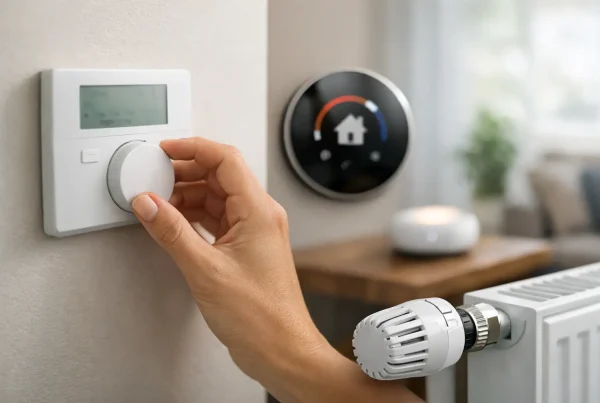
A thermostatic radiator valve can also fail internally. You might notice the radiator is leaking and the room temperature control is no longer working properly. When a valve is both dripping and not regulating heat as it should, replacement is usually the sensible option.
What you can check safely first
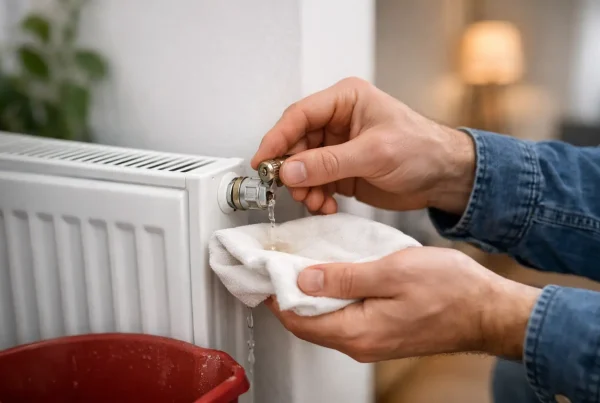
Start by drying the area fully with a cloth or kitchen roll. Then watch closely to see exactly where fresh water appears. This is the quickest way to tell whether the leak is from the top of the valve, the side nut or the pipe connection below.
Next, check how bad it is. A very slow weep is different from a steady drip, but both need attention. Put a container or towel underneath to protect the floor while you inspect it. If the floor is laminate, engineered wood or carpet, speed matters because the damage often spreads further than you think.
Look at your boiler pressure gauge too, if you have a sealed system. If the pressure is dropping regularly, the leak is not something to ignore until next month. Even a small leak can gradually affect heating performance and may lead to further faults.
What you should not do is start forcing tight nuts with a spanner unless you are confident about the fitting you are adjusting. Overtightening can make matters worse. A minor seep can become a larger leak very quickly if a joint is distorted or a valve body cracks.
Can you stop a radiator valve leak yourself?
Sometimes, but it depends where the leak is and how confident you are around heating pipework. If the leak is around the spindle on an older manual valve or thermostatic valve, a slight adjustment to the gland nut can occasionally reduce or stop the drip. This needs a careful hand. Too little does nothing, too much can damage the seal or make the valve hard to operate.
If the leak is from a compression joint, the answer is less clear-cut. A slight nip on the nut may help if the fitting has worked loose, but if the olive or internal seal has failed, it will usually need to be taken apart and remade properly. That means isolating the radiator and being prepared for some water release.
If water is coming from a cracked valve body, corrosion pinhole or damaged radiator tail, replacement is the proper fix. No amount of tightening will solve that.
For many homeowners and landlords, this is the point where calling a heating engineer is the faster and cheaper route. The job gets diagnosed properly, the right part gets fitted, and you avoid turning a small leak into a bigger repair.
When to turn the heating off
If the leak is active enough to drip steadily, turn the heating off and, if needed, isolate the radiator. The aim is to limit water damage and stop pressure loss. If you know how to close the radiator valves at each end, that can help contain the issue until it is repaired. Be aware that older valves do not always shut off fully.
If you are unsure, or the valve will not respond, it is better to get help than force it. A stuck valve can snap internally or begin leaking more heavily once disturbed.
For landlords, it is worth acting quickly even on a minor leak. Tenants may put a towel down and carry on for a week, but by then flooring, plaster and decorations can all be affected. It is a small fault that can create a much larger bill if ignored.
Why radiator valves start leaking in the first place
Age is the most common factor. Valves do not last forever. The internal seals harden, moving parts wear, and corrosion starts to affect the metal. If the radiators and valves are older, a leak is often a sign that replacement is due rather than repeated patch repairs.
Poor installation can also be behind it. If a valve has been fitted under strain because the pipework is slightly out of line, the joints may hold for a while and then start weeping later. The same applies where the wrong type of valve has been used or fittings have not been sealed properly.
System condition plays a part too. Sludge, dirty water and corrosion inside the heating system can shorten the life of valves and radiators. If one leaking valve comes with cold spots, noisy radiators or discoloured water when bleeding, there may be a bigger maintenance issue in the background.
Repair or replace?
It depends on the valve age, the source of the leak and the condition of the rest of the system. A fairly new valve with a simple joint issue may be worth repairing. An old leaking thermostatic valve on a tired radiator is often better replaced.
Replacement is usually the smarter choice when the valve is visibly corroded, the control head is faulty, or the leak has returned before. It is also worth considering if you are upgrading rooms one by one and want more reliable temperature control.
A good engineer will not replace parts for the sake of it. They should tell you whether a straightforward repair is likely to last or whether you are spending money on borrowed time.
Getting it sorted properly
A leaking radiator valve is rarely the sort of fault that fixes itself. It usually gets worse slowly, then all at once when you least need it. If caught early, it is often a manageable repair. If left, it can damage floors, reduce heating performance and create avoidable disruption.
For homes in Leeds, a local heating engineer can usually tell quite quickly whether the issue is a gland seal, failed joint or a valve that needs replacing altogether. That practical diagnosis is what saves time.
If you have a radiator leaking from valve, deal with it while it is still a small job. A dry floor and a warm house are always easier to keep than to put right after the damage is done.