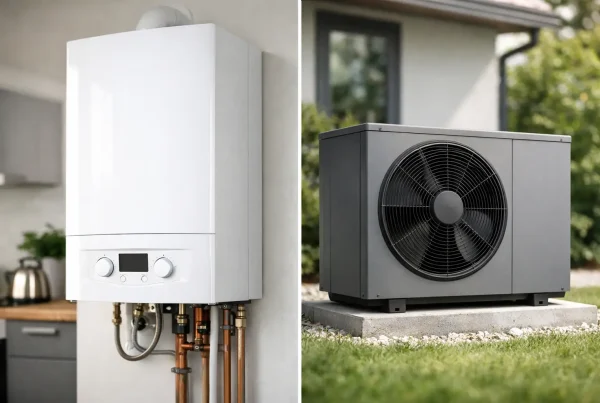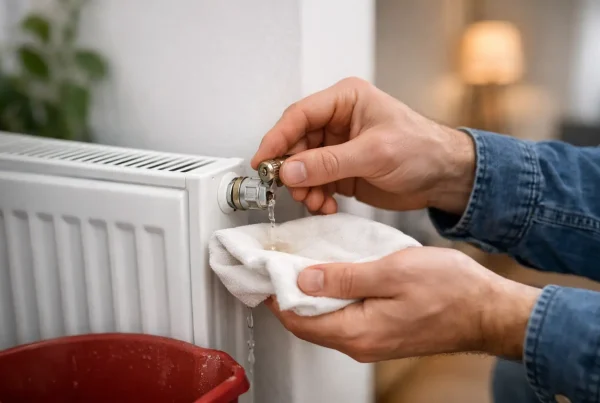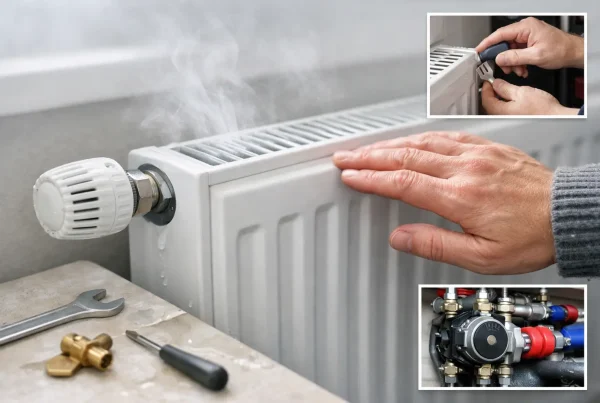

A cold house at 6am, radiators heating empty rooms, or a boiler running long after everyone has gone to bed usually points to one thing: the controls are not set up for the way your home is actually used. This guide to central heating controls explains what each control does, how they work together and when it may be worth replacing an older setup.
Why central heating controls matter
Your boiler produces heat, but the controls decide when that heat is needed and where it goes. A good setup keeps the house comfortable without needlessly heating every room all day. It also reduces the stop-start guesswork that can leave households either too warm, too cold or constantly adjusting the thermostat.
Controls will not fix a faulty boiler, poor insulation, sludge in the system or radiators that need balancing. They do, however, make a properly working heating system far easier to run efficiently. For homeowners and landlords, that means more predictable comfort and better control over day-to-day heating costs.
The right controls depend on the property. A compact flat with one main living area has different needs from a family home with several bedrooms, a loft conversion and people coming and going at different times.
The main types of heating control
Most homes use a combination of a room thermostat, programmer or timer, thermostatic radiator valves and boiler controls. Newer systems may also have smart controls that bring several functions into one app.
Room thermostats
The room thermostat measures the temperature where it is fitted and tells the boiler to heat until that temperature is reached. It should normally be set to the lowest comfortable temperature, rather than turned up high in the hope the house will warm faster. It will not make the boiler heat the house more quickly – it simply keeps the heating on for longer.
For many homes, a setting around 18-21°C is a sensible starting point, but comfort is personal. Young children, older people and anyone with a health condition may need a warmer home. Try small adjustments of half a degree or one degree, then give the system time to settle.
The position of the thermostat matters. It should be in a representative area of the home, away from direct sunlight, draughts, fires, cookers and radiators. If it is in a chilly hallway, the boiler may keep running after the living room is already too warm. If it is beside a heat source, it may switch the boiler off too early.
Programmers and timers
A programmer sets the times your heating and, on some systems, hot water come on and off. This is useful when your routine is fairly regular. Rather than heating the house from morning until night, set periods around when people are normally home and awake.
Allow time for the property to warm up before you need it. A well-insulated house may only need a short lead-in period, while an older or larger home can take longer. There is no single correct schedule, so change it gradually over a week and see how the house responds.
Many programmers have modes such as on, off, timed and once. “Timed” is normally the best everyday setting. Leaving the heating permanently on does not guarantee lower energy use. The boiler will continue responding whenever the thermostat calls for heat, including when nobody is there to benefit.
Thermostatic radiator valves
Thermostatic radiator valves, often called TRVs, are the numbered controls fitted to individual radiators. They regulate the flow of hot water into that radiator based on the temperature around the valve. They are useful for making bedrooms cooler than the living room, or for reducing heat in spare rooms.
The numbers are temperature settings, not a speed setting. Turning a TRV from 3 to 5 will not warm the room faster. It will simply allow the radiator to keep heating until the room reaches a higher temperature.
Avoid fitting a TRV in the same room as the main room thermostat, or leave that valve fully open if one is already there. Otherwise, the two controls can work against each other. Keep radiators clear of long curtains, furniture and radiator covers where possible, as trapped heat can make a valve respond incorrectly.
Smart heating controls
Smart thermostats and smart heating systems let you adjust heating from a phone, set schedules more easily and, on some models, control different areas of the home separately. Some can learn patterns, use location settings or respond to the weather outside.
They can be a good choice for households with changing routines, shift work or regular weekends away. They are also handy if you manage a rental property and need visibility over heating settings between tenancies. The biggest benefit is usually convenience and clearer control, not a guarantee of dramatic savings.
A smart control still needs to be compatible with the boiler and existing heating system. Some properties need additional wiring, a receiver or separate zone valves. Before buying one, check what is already fitted and ask a heating engineer if the upgrade is suitable.
How the controls should work together
Think of the timer as the diary, the room thermostat as the decision-maker and the radiator valves as room-by-room fine tuning. The timer makes heating available at the right times. The thermostat decides whether the home needs heat. The TRVs stop individual rooms becoming warmer than necessary.
A practical setup might be a programmed morning and evening heating period, the main thermostat set to a comfortable background temperature, and bedroom TRVs set lower than the living area. If you are out for the day, reduce the temperature rather than switching everything off in very cold weather, particularly if there is a risk of frozen pipes.
For combi boilers, heating and hot water are usually controlled differently from a system boiler with a hot water cylinder. If you have a cylinder, you may have a separate hot water programme and a cylinder thermostat. This should be set correctly so stored water is hot enough for safe use but not needlessly overheated. Do not alter unfamiliar boiler settings without checking the manual or getting advice.
Common control mistakes that waste heat
One of the most common mistakes is setting every radiator valve to maximum while using the room thermostat as the only control. This often overheats bedrooms and unused rooms. Another is repeatedly turning the thermostat up and down. A stable schedule is normally more comfortable and easier to manage.
It is also easy to overlook batteries. Wireless thermostats, smart sensors and some programmers can stop communicating properly when batteries run low. If the display is blank, the boiler is not responding to a call for heat, or the temperature reading looks wrong, check the batteries and settings first.
Do not confuse a control issue with a boiler fault. If the thermostat is clearly calling for heat but the boiler will not fire, if there is an error code, a leak, unusual noises or no hot water, the issue may need professional attention. Gas and boiler repairs should always be handled by a Gas Safe registered engineer.
When it is worth upgrading heating controls
An upgrade is worth considering if you still have a basic mechanical timer, no room thermostat, unreliable wireless controls or a system that cannot match the household routine. It can also make sense when fitting a new boiler, as modern boilers work best when they can adjust their output in response to demand.
More advanced controls, including load or weather compensation, can help certain boilers run more steadily and efficiently. However, compatibility matters more than choosing the most expensive device. A well-installed standard programmable thermostat may be the better option for a straightforward home, while zoning and smart controls can suit larger properties with different heating needs.
Landlords should also consider how easy the controls are for tenants to understand. A complicated system that is constantly overridden is less useful than a clear, reliable thermostat and timer. Leave simple instructions in the property and make sure tenants know how to turn the heating on, adjust the temperature and identify a fault.
Get help when the system is not behaving properly
If your heating only works at certain times, rooms are regularly too hot or cold, or the boiler ignores the thermostat, the cause could be settings, faulty controls, wiring or a wider heating-system problem. An engineer can check the controls, boiler operation, radiators and system performance together instead of replacing parts on guesswork.
For homes in Leeds, GasPlumb can assess faulty or outdated heating controls as part of a heating repair, service or boiler installation. The most useful control is not always the newest one – it is the one that suits your property, works reliably and keeps the household comfortable without wasting heat.