
A cold room usually tells you the truth faster than your boiler does. If one bedroom never warms up, the lounge takes hours to feel comfortable, or an old radiator is leaking and staining the floor, it is probably time to look at radiator installation Leeds homeowners can depend on for a proper fix.
A new radiator is not just about replacing a rusty panel on the wall. Done properly, it improves heat output, helps your system run more efficiently and makes the room easier to control. Done badly, it leaves you with uneven heating, pipework problems and a job that costs more to put right later.
When radiator installation in Leeds makes sense
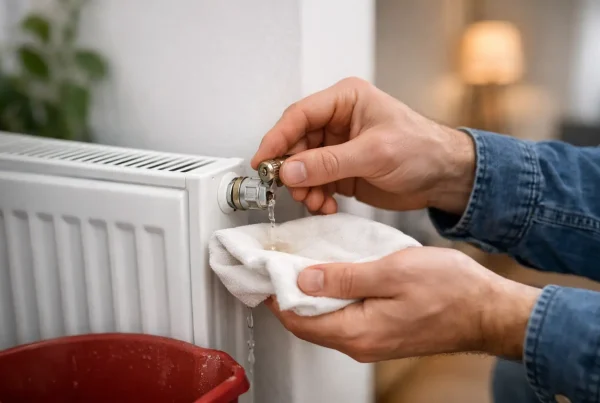
Sometimes a radiator has simply reached the end of its life. Corrosion, cold spots that keep coming back, frequent leaks around valves, and poor heat output are all signs that repair may no longer be worth it. Bleeding and balancing can solve some issues, but not every issue.
There are also plenty of cases where the radiator is not broken – it is just wrong for the room. This happens often after home improvements. A room layout changes, insulation improves, an extension is added, or an older single panel radiator is expected to heat a larger space than it was designed for. In those cases, replacement is less about fault finding and more about getting the heating right.
Landlords often face a similar decision. If a tenant reports a room that never gets warm, replacing the radiator can be the most practical route. It is usually quicker and more reliable than repeated callouts for the same complaint, and it helps keep the property comfortable and manageable.
The most common reasons people replace radiators
The straightforward reason is failure. A leaking radiator or a seized valve needs attention quickly, especially if it is damaging flooring or causing pressure loss on the heating system.
The second reason is performance. Many older radiators are undersized by modern standards or clogged internally with sludge. You can sometimes clean and flush a system to improve circulation, but if the radiator itself is poor quality, badly corroded or too small, replacement is often the better investment.
The third reason is refurbishment. If you are decorating, changing flooring or updating a kitchen, it makes sense to deal with tired radiators at the same time. It is easier to do the work once than disturb the room again a few months later.
What affects the right radiator choice
Size matters more than style. A radiator that looks good but does not produce enough heat will leave the room cold, especially in winter. The right output depends on the room size, ceiling height, insulation levels, window area and how the room is used.
For example, a small box room needs a very different radiator from an open-plan kitchen diner. Bathrooms are different again, and hallways can be awkward because wall space is limited. This is where proper sizing matters. Guesswork usually leads to disappointment.
Type matters too. Standard panel radiators suit many rooms, but vertical models can work better where wall space is tight. Towel radiators are popular in bathrooms, although they do not always provide enough heat on their own in larger or colder spaces. In some homes, a designer style is part of the plan, but function still has to come first.
Pipework layout also affects what is practical. Swapping a radiator like-for-like is usually simpler than moving it to a new wall or changing the size significantly. If pipe runs need altering under floors or through walls, the job becomes more involved. That does not mean it should not be done – only that the time and cost can change.
Radiator installation Leeds homeowners should expect to include proper checks
A decent installation starts before any tools come out. The engineer should check the condition of the current radiator, valves, pipework and the wider heating system. There is no point fitting a new radiator onto poor pipework or ignoring sludge in the system if that sludge is going to affect performance straight away.
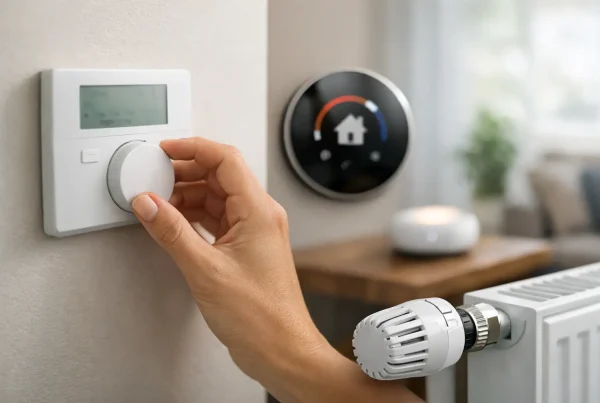
In some jobs, replacing the valves at the same time is sensible. Old valves can stick, leak or fail to control the heat properly. Thermostatic radiator valves are often a worthwhile upgrade because they give better room-by-room control and can help reduce wasted heat.
The heating system may also need inhibitor, a flush, or at least partial cleaning depending on its condition. Not every radiator replacement needs major system work, but some do. The honest answer is that it depends on what is already there.
How long the job usually takes
A straightforward radiator swap can often be completed in a few hours. That is the best-case scenario – same location, similar size, sound pipework, no surprises.
If the pipework needs changing, the radiator is moving position, valves need replacing, or the system is heavily contaminated, expect longer. Multi-room replacements naturally take more time, especially in occupied homes where access, furniture and floor protection need managing properly.
Good installation is not just about speed. It is about leaving the system filled, tested, balanced and working as it should. Rushing that part is where problems start.
What affects cost
The radiator itself is only one part of the price. Labour, valves, pipe alterations, system treatment and any making good all matter. A basic panel radiator fitted in the same spot will cost less than a decorative vertical unit moved across the room with new pipe runs.
Access can affect cost too. Tight spaces, boxed-in pipework, solid floors and older properties can all make the job more involved. That is why clear quoting matters. You want to know whether the price includes valves, draining down, testing, balancing and waste removal, not just the radiator being hung on the wall.
Cheapest is not always cheapest in the long run. If a poor installation leads to leaks, noise, cold spots or repeat visits, the bargain disappears quickly.
Signs a bigger heating issue may be involved
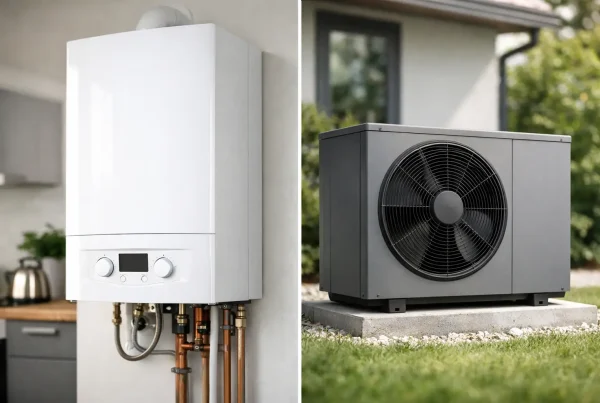
Not every bad radiator means you only need a new radiator. If several radiators are slow to heat, your boiler pressure keeps dropping, or there is black sludge when the system is drained, there may be a wider central heating issue in the background.
This is common in older systems that have had bits replaced over time without a proper overall check. One new radiator can still be fitted, but it should be done with an eye on the bigger picture. Sometimes the right move is a staged approach – replace the failed radiator now, then plan valve upgrades, cleaning or further improvements when practical.
That kind of advice matters because it saves people from paying twice. A reliable heating engineer should tell you when a simple replacement is enough and when it is only part of the answer.
Why local experience helps
With radiator installation in Leeds, local knowledge is useful because housing stock varies so much. Victorian terraces, semis, modern estates and rental properties all present different access issues and heating layouts. An engineer who works in these homes regularly is more likely to spot common problems quickly and suggest a practical solution.
That matters when you want the work done without fuss. Most customers are not interested in the theory of heat loss calculations or the internal design of valves. They want to know if the room will heat properly, how disruptive the job will be, and whether the system will be left safe and reliable.
That is exactly the right priority.
Getting the best result from a new radiator
If you are replacing one radiator, it is worth looking at how the rest of the system is performing. Balancing, working thermostatic valves and decent controls all help. A quality radiator fitted onto an unbalanced system will not show its full benefit.
If you are upgrading several radiators, think about the rooms you actually use most. The front room, kitchen and main bedroom usually matter more day to day than the spare room. Budget does not always allow a full heating upgrade in one go, so practical priorities make sense.
And if appearance is part of the decision, there is nothing wrong with that. Just do not let looks override output. A radiator should warm the room first and look good second.
PetrolPlumb handles radiator replacements and heating work with the same straightforward approach most people want – turn up, assess it properly, explain what is needed and get the job done right.
If a radiator is leaking, underperforming or simply no longer right for the room, the best next step is to get it checked before it turns into a bigger heating problem. A good installation should leave you with a warmer room, better control and one less thing to worry about when the weather turns.