
A boiler that cuts out, a cooker flame that burns yellow or a strange smell near a meter can quickly turn an ordinary day into a safety concern. This gas safety guide sets out the warning signs to take seriously, the checks that should be left to a Gas Safe registered engineer, and what homeowners and landlords need to do to keep a property safe.
Gas appliances are reliable when they are correctly fitted, serviced and used. Problems tend to develop when an appliance is old, poorly maintained, damaged or installed by somebody who is not qualified for the work. Acting early can prevent a loss of heating and hot water, costly repairs and, more importantly, risks to the people living in the property.
Gas safety guide: the signs not to ignore
You do not need to diagnose a gas appliance yourself. In fact, removing a boiler casing or attempting a repair can make a fault more dangerous. What you can do is recognise when something is not right and arrange professional help.
A smell of gas is the clearest warning sign. Natural gas has an odour added to make leaks easier to detect, so do not assume the smell will disappear on its own. Hissing or whistling near pipework, a gas meter or an appliance may also point to a leak.
Look at the flame on a gas hob or cooker. A healthy flame is usually crisp and blue. Lazy yellow or orange flames, black marks around an appliance, increased condensation in a room or pilot lights that frequently blow out can indicate incomplete combustion. That can lead to carbon monoxide being produced.
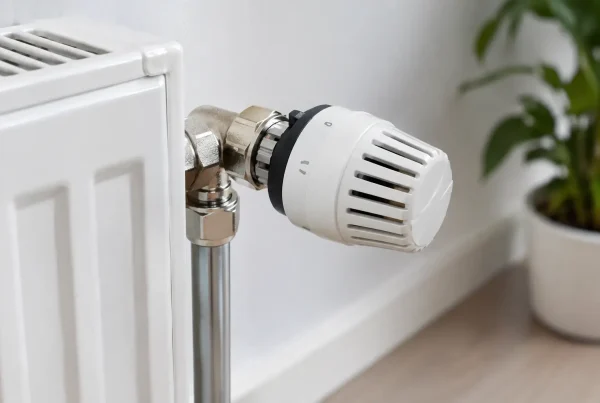
Boiler problems can be less obvious. Repeated lockouts, unexplained pressure loss, banging noises, water leaking from the boiler or radiators that will not heat properly are reasons to book an engineer. Not every boiler fault is a gas safety issue, but a proper inspection separates a simple heating fault from something that needs urgent attention.
Carbon monoxide: the danger you cannot smell
Carbon monoxide is a poisonous gas created when fuels such as gas do not burn completely. It has no smell, taste or colour, which is why a working carbon monoxide alarm is essential in rooms containing a fixed combustion appliance, in line with current requirements.
Symptoms can be mistaken for flu or tiredness. Headaches, dizziness, nausea, breathlessness, confusion and unusual fatigue are all possible signs of carbon monoxide exposure. If symptoms improve when you leave the house and return when you come back, do not ignore the pattern.
If you suspect carbon monoxide, switch off the appliance if it is safe to do so, open doors and windows, get everyone outside into fresh air and seek urgent medical advice. Do not re-enter or use the appliance until a Gas Safe registered engineer has inspected it. An alarm is a vital last line of defence, but it does not replace servicing and safe installation.
Where alarms should go
Fit carbon monoxide alarms according to the manufacturer’s instructions, usually on a wall in the same room as the appliance and away from windows, doors and direct heat sources. Test them regularly and replace the unit before its stated expiry date. Battery-operated alarms are useful, but only if the batteries are checked rather than forgotten about.
Keep boilers, cookers and fires properly maintained
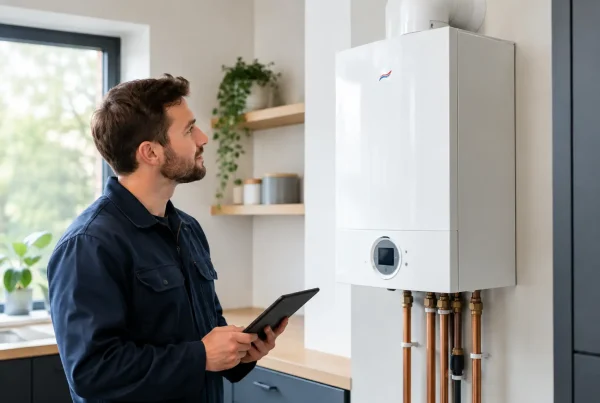
An annual boiler service is one of the simplest ways to identify issues before they become a breakdown or safety problem. During a proper service, the engineer checks that the appliance is operating safely and efficiently, examines key components, tests combustion where needed and looks for signs of leaks or deterioration.
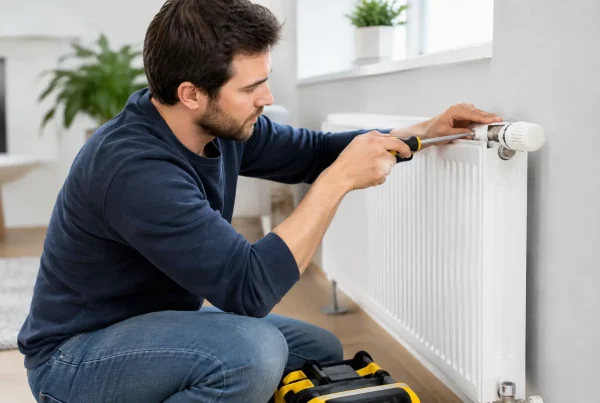
A service is different from a repair. A boiler may appear to be working well but still need its annual safety checks. Equally, a recently serviced boiler can develop a fault later in the year. If your heating stops working or you notice any warning signs, arrange a repair visit rather than waiting for the next service date.
Gas cookers, hobs and fires also need attention. Keep burners clean, make sure ventilation openings are not blocked and avoid hanging washing over or storing items around a gas fire. Never use a gas cooker or oven to heat a room. It is inefficient, can create excess moisture and carries a serious carbon monoxide risk.
Only an engineer qualified for the specific type of appliance should install, service or repair it. Gas Safe registration matters, but so does checking that the engineer is approved for boilers, cookers, fires or commercial work as required. Ask to see their Gas Safe ID card if you are unsure.
Landlord gas safety responsibilities
For landlords, gas safety is a legal duty as well as a basic responsibility to tenants. Any gas appliance, flue or installation pipework provided as part of the tenancy must be checked every 12 months by a Gas Safe registered engineer. This includes boilers, gas fires and cookers supplied by the landlord.
Following the inspection, the landlord must provide the tenant with a copy of the Landlord Gas Safety Record within 28 days. New tenants should receive it before they move in, and records need to be retained for at least two years. The property must also have the required carbon monoxide alarms, which should be checked at the start of each new tenancy.
Tenants are responsible for their own appliances, such as a cooker they have brought into the property, but landlords should still make sure the fixed gas supply and any connected flue arrangements are safe. In practice, clear communication avoids confusion. Tell tenants when the annual check is due, give proper notice for access and encourage them to report faults straight away.
If an appliance is found to be unsafe, it must not be used until it has been repaired or replaced. This can be inconvenient in a rented home, particularly during cold weather, but it is never worth taking a chance with a defect that could put occupants at risk.
What to do if you smell gas
Treat a suspected gas leak as urgent. Do not look for the leak yourself or try to repair pipework. Take the following steps:
- Put out cigarettes, candles and any other naked flames.
- Do not use electrical switches, plugs, doorbells or mobile phones inside the property.
- Open doors and windows to ventilate the building.
- If safe, turn off the gas at the emergency control valve by the meter, leave the property and call the National Gas Emergency Service from outside.
Do not turn the gas supply back on until the leak has been dealt with and it is safe to do so. If anybody is seriously unwell, call 999. Once the immediate gas emergency has been made safe, a local Gas Safe engineer can assess affected appliances, complete repairs and help restore your heating or hot water where possible.
Small habits that reduce the risk
Good gas safety is mostly about acting before a fault becomes urgent. Keep your annual service date somewhere visible, test carbon monoxide alarms, report boiler changes early and avoid blocking air vents or flues. If you have had building work, a new kitchen fitted or an appliance moved, have the gas connection checked rather than assuming it has been left untouched.
For older homes, it may be worth discussing whether a repair is still sensible or whether replacement is the safer long-term option. A repair can be the right answer for a straightforward fault on a well-maintained boiler. But repeated breakdowns, obsolete parts and poor efficiency can make a new installation the more practical choice.
When gas is involved, the best time to call for help is before a small warning becomes a cold house or a serious safety issue. A dependable engineer can give you a clear answer, carry out the right work and leave you confident that your home is safe to use.