
A radiator that is hot at the top but cold at the bottom is not just frustrating on a chilly Leeds morning. It means your heating system is not working as efficiently as it should, and the boiler may have to run longer to warm the room. Radiator cold spots are often fixable, but where the cold area sits matters. It tells you a lot about what is going on inside the system.
Before turning valves or reaching for a bleed key, check whether the issue affects one radiator or several. A single cold radiator can point to a local fault. Multiple radiators with cold patches may mean the system needs professional attention.
What radiator cold spots usually mean
The position of the cold spot is the best starting point. Cold at the top is commonly caused by trapped air. Cold at the bottom is more often caused by sludge and debris collecting in the radiator. If one side stays cold, the radiator may need balancing, or a valve may be stuck or partly closed.
These are different faults, so they need different solutions. Bleeding a radiator with a cold bottom, for example, will not remove the sludge inside it. It may make no difference at all.
Cold at the top: trapped air
Air rises through the heating system and gathers at the highest point of a radiator. That prevents hot water from filling the top section properly. You may also hear gurgling or trickling noises when the heating comes on.
Bleeding can usually resolve this. Turn the heating off and allow the radiators to cool first. Place a cloth or small container below the bleed valve, then use a radiator key to open it slowly. You should hear air escaping. Once water starts to appear in a steady trickle, close the valve firmly, without overtightening it.
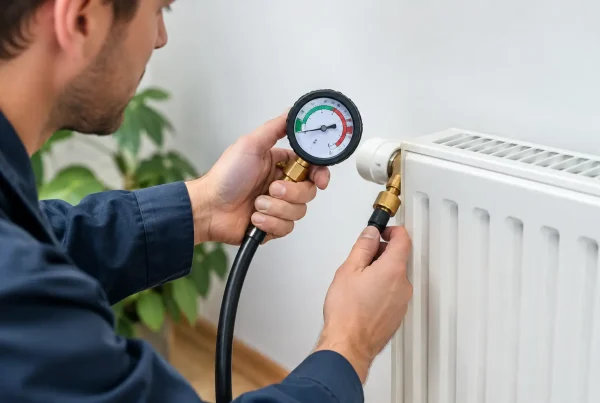
After bleeding one or more radiators, check the boiler pressure. Most sealed systems should be around 1 to 1.5 bar when cold, but always follow the guidance for your boiler. If the pressure has dropped too low, the system may need repressurising. If you are unsure how to do this, it is safer to call a qualified heating engineer than guess.
Cold at the bottom: sludge in the system
If the top of the radiator is hot but the bottom remains cold, sludge is the likely cause. Over time, corrosion inside radiators and pipework creates dark deposits. These settle at the bottom, restricting the flow of hot water.
A lightly affected radiator may improve if it is removed and flushed through outside. This is messy work, though, and it is easy to cause leaks, damage valves or lose system pressure if you are not familiar with central heating pipework.
Where several radiators are cold at the bottom, the problem is unlikely to be limited to one radiator. The system may need a professional clean, followed by inhibitor to help prevent further corrosion. A magnetic filter can also help protect the boiler by catching circulating debris before it causes a more expensive fault.
Check the radiator valves before assuming the worst
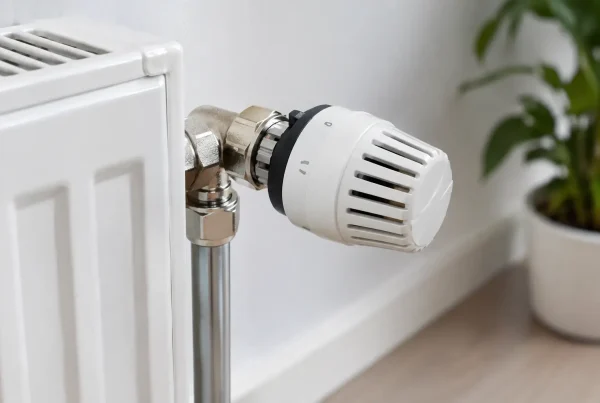
A radiator needs both valves open to heat properly. The thermostatic radiator valve, usually marked with numbers, controls the room temperature. The valve at the other end is the lockshield valve, often hidden under a plain plastic cap. Both can affect heat output.
First, make sure the thermostatic valve is turned up. If it has been set low or is stuck, the radiator may stay cold even when the rest of the house is warm. Thermostatic valves can seize after being left in the same position for months, particularly over summer.
Do not force a stuck valve. The plastic head can often be removed, but freeing the metal pin beneath requires care. A damaged valve can leak, and a small drip from a heating system should never be ignored.
The lockshield valve should not normally be adjusted at random. It is used to balance the system, controlling how quickly hot water reaches each radiator. Opening it fully may make one radiator hotter but leave others struggling.
When radiator cold spots are a balancing issue
If radiators near the boiler become hot quickly while those further away stay lukewarm, the system may be out of balance. Water naturally takes the easiest route through the pipework. Without correct balancing, it can rush through nearby radiators and fail to circulate well to the rest of the property.
Balancing involves adjusting lockshield valves gradually and checking the temperature difference across each radiator. It sounds straightforward, but it takes patience and a methodical approach. The correct setting varies from house to house, depending on the pipe layout, radiator sizes and heating system.
For a homeowner, the practical test is simple: if the cold spots appeared after a new radiator, boiler replacement or valve work, balancing is a strong possibility. An engineer can usually diagnose this quickly and set the system up properly.
Do not overlook boiler and circulation problems
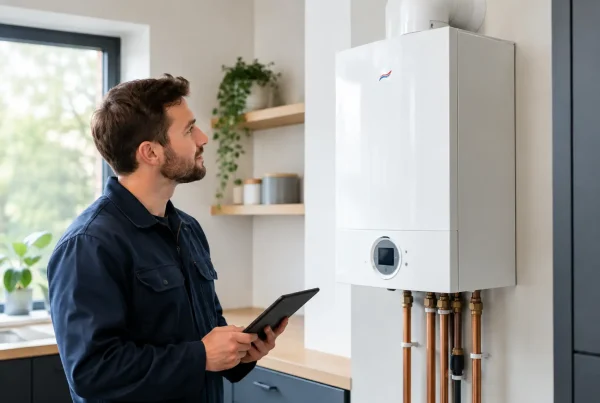
Sometimes the radiator is not the real problem. A weak pump, blocked filter, low system pressure or a fault within the boiler can reduce circulation around the whole heating system. You may notice that radiators take a long time to warm up, some rooms never reach temperature, or the boiler cycles on and off more than usual.
If your boiler shows an error code, loses pressure repeatedly or makes unusual banging noises, arrange a professional inspection. Repeatedly topping up pressure without finding the cause can make matters worse. It may indicate a leak, an issue with the expansion vessel or another system fault.
GasPlumb can investigate poor radiator performance alongside boiler faults, circulation issues and heating controls, so you do not have to arrange separate trades for what may be one connected problem.
Safe checks you can make yourself
There are a few sensible checks before booking a repair. Make sure the heating timer is set correctly and the room thermostat is calling for heat. Check that the boiler pressure is within its recommended range. Confirm that both radiator valves are open and that furniture or thick curtains are not trapping heat around the radiator.
If the radiator is cold at the top, bleed it carefully once it has cooled. If it is cold at the bottom, avoid repeated bleeding because that will not clear sludge. Instead, note which radiators are affected and whether the issue is getting worse. That information helps an engineer get to the likely cause faster.
Never remove a radiator while the system is hot or pressurised. Do not dismantle boiler casing or attempt work on gas appliances. Any work involving the boiler or gas supply must be carried out by a Gas Safe registered engineer.
Preventing the problem from returning
A well-maintained system is less likely to develop cold patches. Annual boiler servicing gives an engineer the opportunity to spot pressure problems, poor circulation and early signs of debris before they lead to a winter breakdown.
If your heating system has been cleaned or new radiators have been fitted, ask whether inhibitor has been added. This chemical treatment slows internal corrosion. For older systems, a magnetic filter is often worthwhile, especially where there has already been a build-up of black sludge.
It also helps to run the heating occasionally outside the coldest months. This keeps pumps and valves moving and can reveal a sticking radiator valve before you need the heating every day.
A cold radiator does not always mean an emergency, but it should not be left until the whole house is struggling to warm up. Deal with the pattern you can see, get expert help where the cause is unclear, and your heating will be ready when you need it most.