
A radiator that stays cold while the rest of the house warms up can be frustrating, especially when the boiler appears to be working normally. Thermostatic radiator valve problems are often behind this fault. The good news is that the valve itself is usually a small part, but a proper diagnosis matters. What looks like a faulty valve may actually be trapped air, poor system balance, sludge or an issue with the central heating controls.
A thermostatic radiator valve, usually called a TRV, is the numbered control fitted to one side of a radiator. It senses the air temperature around it and opens or closes the flow of hot water to help maintain the selected room temperature. It does not control the boiler directly, and it does not make a radiator heat up faster when turned to 5. It simply allows more heat into that radiator until the room reaches its target temperature.
Common Thermostatic Radiator Valve Problems
The most common complaint is a cold radiator despite the TRV being turned up. In many cases, the valve pin beneath the plastic head has stuck in the closed position. This often happens after the heating has been off through summer. The valve head turns as normal, but the pin fails to rise and allow water into the radiator.
Another familiar problem is the opposite one: the radiator stays hot even when the valve is set low or turned off. A stuck pin can also cause this, but in the open position. If the room is overheating, the valve head may not be sensing the air correctly, may be damaged, or may be fitted in a position where it is affected by local heat rather than the room temperature.
A TRV can also become less accurate with age. The internal sensor gradually wears, particularly on older valves. If you regularly need to turn the valve up and down to get a comfortable temperature, replacement is often more sensible than repeatedly adjusting it.
Not every heating issue is caused by the TRV. A radiator that is cold at the top but warm at the bottom normally needs bleeding. One that is warm at the top and cold at the bottom may have sludge restricting circulation. If several radiators are not heating correctly, the cause could be system pressure, a circulating pump issue, boiler fault or poor balancing rather than an individual valve.
The valve pin has seized
A seized pin is one of the most likely causes of a radiator remaining cold after a period of non-use. Under the removable TRV head is a small metal pin. When the valve calls for heat, this pin should move upwards. When the room is warm enough, the head presses it down to reduce or stop the flow.
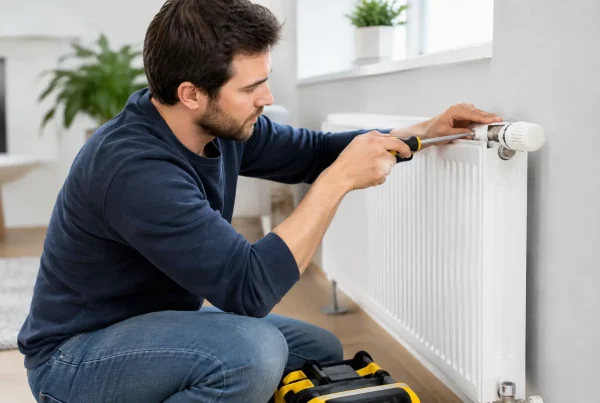
If the pin has become stuck, forcing the plastic valve head will not fix the problem. The head is not the part that opens the water flow. In some cases, carefully removing the head and gently freeing the pin can restore operation. However, the pin must not be pulled out, and excessive force can damage the valve body or cause a leak. If you are unsure, arrange for a heating engineer to check it.
The valve is fitted in the wrong place
TRVs need to sense the temperature of the room air. A valve fitted behind a heavy curtain, enclosed by radiator furniture or positioned close to a heat source can shut down too early because it believes the room is warmer than it really is.
This can be especially noticeable in living rooms with long curtains or in kitchens where appliances create extra heat. A remote sensor or a different valve arrangement may be a better option where the valve cannot get a fair reading of the room temperature.
The radiator needs balancing
If radiators closest to the boiler get very hot while those further away stay lukewarm, the system may be out of balance. This is not normally a TRV fault. Balancing involves adjusting the lockshield valve at the other end of each radiator so hot water is shared properly around the system.
It can take time to get right, particularly in larger homes or properties with extensions. A heating engineer can assess circulation, radiator output and boiler settings together, rather than replacing a valve that is still working perfectly.
Safe Checks Before Calling for Help
Start by checking whether the heating is on and the room thermostat is set above the current room temperature. If the boiler is not receiving a demand for heat, no radiator valve setting will make the radiator warm up.
Set the TRV to its highest number and give the system time to heat up. Do not judge it after a few minutes, particularly if the heating has been off for several hours. Then compare the problem radiator with others in the house.
Feel the radiator carefully. A cold top section suggests air, while a cold lower section can point to sludge. Check that curtains, furniture and radiator covers are not blocking the TRV. If the valve head feels loose, cracked or difficult to turn, it may need replacing.
Do not attempt to remove the metal valve body from the pipework. That work requires the system to be isolated and drained correctly. There is a real risk of releasing dirty heating water into the room if the valve is disturbed. Likewise, do not use pliers or grips to force a stiff valve pin.
When a TRV Should Be Replaced
Replacement is usually the right answer when a valve leaks, the head is broken, the pin repeatedly sticks, or the room temperature is consistently difficult to control. Modern TRVs offer better temperature control than many older models and can help reduce wasted heat in rooms that are used less often.
There is a trade-off, though. Replacing one faulty TRV is straightforward when the rest of the system is in good order. If several valves are old, radiators are full of sludge and the boiler is struggling to circulate water, fitting new valves alone will not solve the wider problem. In that case, a system clean, radiator repairs or controls upgrade may offer better value.
It is also worth checking where TRVs are fitted. The radiator in the same room as the main wall thermostat should normally have its TRV fully open, or no TRV at all, depending on the control setup. Otherwise, the radiator can shut off before the room thermostat is satisfied, leaving the boiler cycling unnecessarily and the rest of the home less comfortable.
Why Heating Controls Matter
TRVs work best as part of a properly controlled heating system. Your boiler, room thermostat, programmer or smart controls and radiator valves should all be working towards the same result: comfortable rooms without heating empty space all day.
A sensible starting point is to keep bedrooms slightly cooler than living areas, avoid covering valves, and use the programmer to match your normal routine. Turning every radiator valve to maximum is rarely the most efficient setting. It can make rooms too hot, increase energy use and hide underlying circulation issues.
For landlords, faulty valves should not be ignored simply because the boiler still fires up. Tenants need reliable, controllable heating, and an unresolved radiator fault can quickly become a bigger maintenance problem during cold weather.
Get the Right Fault Fixed
A cold or overheated room is inconvenient, but it is often a sign that one part of the heating system needs attention. GasPlumb can diagnose thermostatic radiator valve problems across Leeds, check whether the issue is the valve, radiator or wider heating system, and carry out the repair without guesswork.
If a radiator will not heat, a valve is leaking or your heating is behaving differently from room to room, get it checked before colder weather puts extra strain on the system. A small repair now can save a callout when you need the heating most.