
You have let the air out, tightened the bleed valve and turned the heating back on – but one radiator is still stone cold. A cold radiator after bleeding is frustrating, particularly when the rest of the house is warming up. It usually means the issue is not simply trapped air. The good news is that the way the radiator feels can often point to the fault.
Before making further adjustments, give the system time to heat up properly. Turn the heating on, set the thermostat above the current room temperature and allow 20 to 30 minutes. Keep children away from hot radiators and pipework while you check the system.
Why a Cold Radiator After Bleeding Happens
Bleeding a radiator removes air that has collected at the top. Air stops hot water filling the radiator properly, so the usual sign is a radiator that is cold at the top but warm lower down. Once the air is gone, the radiator should heat more evenly.
If it remains cold after bleeding, there may be no hot water reaching it at all. The most common causes are closed or stuck valves, low boiler pressure, poor system balance, sludge inside the radiator or a wider circulation problem. Which one applies depends on whether the problem affects one radiator, several radiators or the entire heating system.
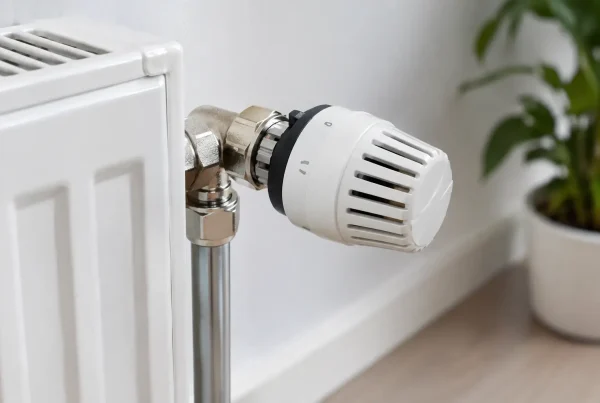
Start by looking at the simple things first. There are normally two valves at the bottom of a radiator. One is the thermostatic radiator valve, often with numbered settings. The other is the lockshield valve, usually covered by a plain plastic cap. Both need to be open enough for water to flow through the radiator.
Check the Boiler Pressure First
On a sealed central heating system, releasing air also releases a small amount of system pressure. If you bled several radiators, the pressure may now be too low for the boiler to circulate water effectively.
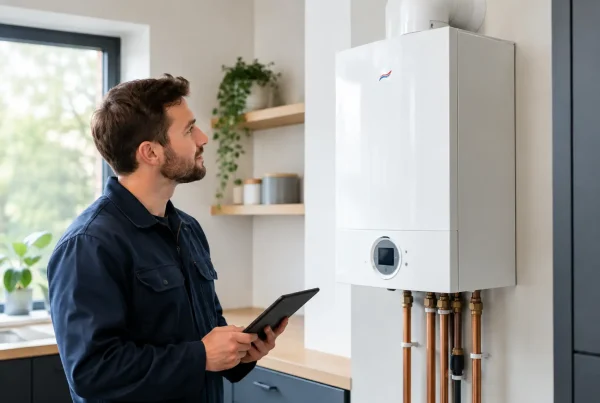
Check the pressure gauge on the boiler when the system is cool. Many domestic systems run at around 1 to 1.5 bar when cold, although the correct range depends on the boiler and installation. If the pressure is below the marked operating range, it may need topping up using the filling loop or built-in filling arrangement.
Only do this if you are confident with your boiler instructions. Do not over-pressurise the system, and do not keep topping it up repeatedly. Pressure that falls again can point to a leak, a faulty expansion vessel or another system fault that needs an engineer.
If your boiler shows a fault code, keeps losing pressure or will not fire up after bleeding radiators, stop there. Resetting it again and again rarely solves the cause and can delay a proper repair.
Make Sure Both Radiator Valves Are Open
Set the thermostatic valve fully open. If the radiator starts warming up, the valve may simply have been set too low or turned down accidentally.
If it stays cold, gently remove the thermostatic valve head if you know how it is fitted. Underneath is a small metal pin. This pin can stick in the closed position, especially after the heating has been off through warmer months. A stuck pin prevents hot water entering the radiator even though the valve setting says it is open.
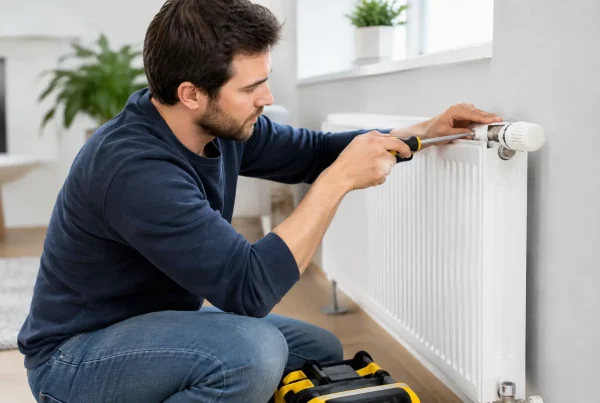
The pin should move slightly when pressed and return under spring pressure. Do not force it with pliers or hit it, as that can damage the valve and create a leak. A heating engineer can free or replace a faulty valve quickly if it will not move correctly.
Also check the lockshield valve on the other side. It may have been closed during decorating, previous work or balancing. Turn it anti-clockwise by a small amount using the correct tool, then wait for the radiator to respond. Avoid opening it fully without noting its original position, as this can upset the balance across the system.
Feel the Radiator to Narrow Down the Cause
The temperature pattern is useful. A radiator that is cold at the top usually has remaining air in it. Try bleeding it once more with the heating off and the system cool enough to work on safely. Hold a cloth under the bleed point, close the valve as soon as water appears and then recheck boiler pressure.
A radiator that is warm at the top but cold at the bottom often contains sludge or debris. Over time, corrosion particles settle in the bottom of radiators and restrict the flow of water. Bleeding will not remove this material. The radiator may need taking off and flushing, or the wider system may need cleaning and protection with inhibitor.
A radiator that is completely cold while others are hot is more likely to have a valve, balancing or local blockage issue. If several radiators are cold, look beyond the individual radiator. Low system pressure, a failing pump, a boiler fault or a zone control issue may be preventing circulation around that part of the house.
If every radiator is cool and there is no hot water either, the problem is likely to be at the boiler rather than the radiators. Check for a warning light, error code, loss of pressure or a thermostat that is not calling for heat. For anything involving the boiler, use a qualified Gas Safe engineer.
Poor Balancing Can Leave One Room Cold
Central heating water takes the easiest route around the pipework. Without correct balancing, radiators nearest the boiler can heat up quickly while those further away receive too little flow. This is common in larger homes, extensions and properties where radiators have been added over the years.
Balancing means adjusting the lockshield valves so heat is shared properly around the system. It is not the same as turning every valve fully open. In fact, opening them all can make the imbalance worse.
A basic balance can be attempted, but it takes patience and works best with radiator thermometers. You need to warm the system from cold, compare flow and return temperatures, then make small adjustments and wait each time. If one radiator has never heated well, or the problem appeared after installing a new radiator, professional balancing is usually the quicker route to a reliable result.
When Not to Keep Bleeding the Radiator
Repeated bleeding will not cure every heating issue. If water comes out straight away but the radiator is still cold, there is no air left to remove. Keep opening the bleed valve and you will only reduce system pressure further.
Call for help if you notice discoloured water, leaks around a valve, dripping from the bleed point, pressure that keeps dropping or banging and gurgling noises across the system. These can indicate sludge, corrosion, a failing component or a fault that needs more than a simple adjustment.
Do not remove a radiator or loosen pipe connections while the system is hot or pressurised. Water from central heating can be very hot, and an older valve may not seal properly once disturbed. For landlords, heating repairs should also be dealt with promptly to avoid tenants being left without suitable heating or hot water.
A Sensible Order for Checking the Fault
Work through the job in a calm order. First, confirm the heating is on and the thermostat is calling for heat. Next, check the boiler pressure and any fault code. Then make sure both radiator valves are open and assess whether the radiator is cold at the top, bottom or all over.
If it is cold at the top, bleed it carefully once more and restore pressure if needed. If it is cold at the bottom, or it stays completely cold despite open valves and normal boiler pressure, it is time to arrange a repair. There is little value in guessing at pumps, sludge or boiler parts.
For homeowners in Leeds, GasPlumb can diagnose the cause of poor radiator heat, from stuck valves and balancing problems to boiler pressure and circulation faults. A proper check gets the system heating as it should, without turning a small issue into a leak or breakdown.
A radiator should heat evenly, respond when its valve is opened and stay warm without constant bleeding. If yours does not, treat that as a sign the system needs attention rather than something to put up with until the next cold spell.