A radiator that stays cold when the heating is on is more than an annoyance, particularly on a cold Leeds morning. If you are asking, “why is my radiator cold?”, the answer usually comes down to the radiator valve, trapped air, sludge in the system or a problem with how the heating is balanced. The pattern of the fault matters: a radiator cold at the top needs a different fix from one that is cold at the bottom or cold all over.
Before taking anything apart, check whether your boiler is running normally and whether other radiators are heating up. That simple check helps separate a single-radiator issue from a wider central-heating fault.
Why is my radiator cold while the heating is on?
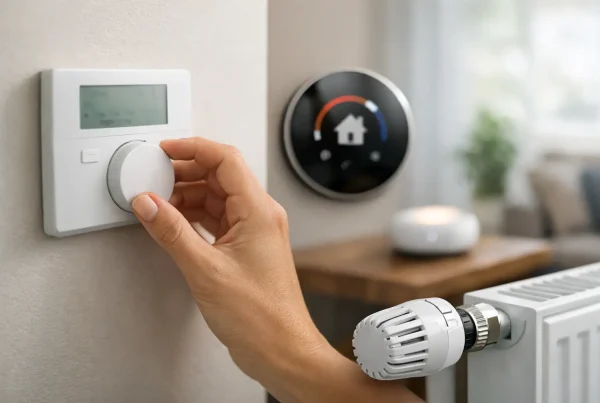
Start with the controls. Make sure the room thermostat is set above the current room temperature, the heating programme is on, and the boiler has not displayed a fault code. If every radiator is cold and there is no heating or hot water, the issue may be with the boiler, system pressure or heating controls rather than the radiators themselves.
If the boiler is working and some radiators are warm, focus on the cold one. Feel it carefully after the heating has been on for 15 to 20 minutes. Is it cold at the top, bottom, one side, or completely cold? Each symptom points towards a likely cause.
The radiator is cold at the top
A radiator that is warm at the bottom but cold across the top usually has trapped air inside it. Air rises above the water in the radiator, stopping hot water from circulating fully through the panel. You may also hear gurgling or bubbling noises when the heating comes on.
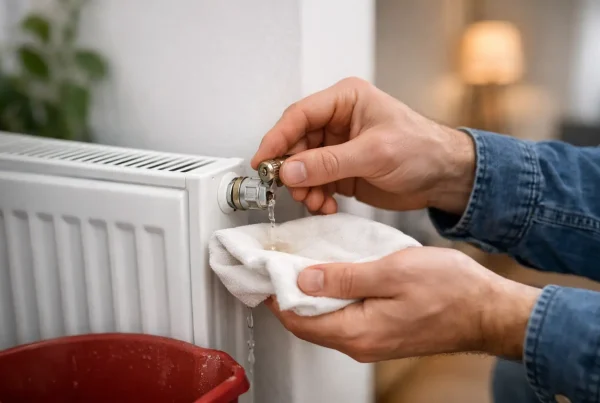
Bleeding the radiator can often solve this. Turn the heating off and allow the system to cool down. Use a radiator key or suitable bleed key, hold a cloth underneath, then open the bleed valve slowly. Air should hiss out first. Once water starts to appear steadily, close the valve without overtightening it.
After bleeding, check the boiler pressure if you have a sealed system. The pressure can drop when air is released. Most domestic systems need to sit around 1 to 1.5 bar when cold, but always follow the guidance for your boiler. If the pressure is low, you may need to repressurise the system. If you are not confident doing that, arrange for a heating engineer to do it properly.
The radiator is cold at the bottom
Cold patches or a cold strip along the bottom of a radiator normally suggest sludge. Over time, rust particles, scale and debris can collect inside the system. This settles in the radiator and restricts the flow of hot water.
Bleeding will not remove sludge. A radiator may need to be removed and flushed, or the whole heating system may need a professional clean if several radiators have the same problem. Leaving sludge untreated can make the boiler work harder, increase fuel use and contribute to pump, valve and heat-exchanger problems.
A proper clean is not simply a case of pouring a product into the system and hoping for the best. The right method depends on the age of the system, the amount of contamination and whether there is a magnetic filter already fitted. An engineer can assess this and advise whether a targeted radiator flush or a full powerflush is worthwhile.
The radiator is cold all over
When one radiator is completely cold but neighbouring radiators are hot, first check both valves. Most radiators have a thermostatic radiator valve, often marked with numbers, at one end and a lockshield valve under a plain plastic cap at the other. Both must be open enough for water to circulate.
Turn the thermostatic valve up fully and wait a few minutes. If the radiator still does not warm up, the small pin inside the valve may be stuck. This is common after heating has been switched off for summer or after the valve has stayed on one setting for a long time.
You can remove the thermostatic valve head on many models without draining the system, but do not force anything. The metal pin beneath should move gently up and down. If it is seized, corroded or will not return to position, it is best to have the valve repaired or replaced. Forcing it can damage the valve and create a leak.
Also check the lockshield valve is not closed. It may have been turned down during previous balancing work. A lockshield is not intended as an everyday control, so make a note of its position before changing it. Opening it too far can upset the balance of the whole system.
A cold radiator could mean the system needs balancing
If radiators close to the boiler get very hot while those further away are lukewarm or cold, your heating system may be out of balance. Hot water naturally takes the easiest route around the pipework. Without correct adjustment, the first radiators on the circuit can take most of the heat before it reaches the rest of the house.
Balancing involves carefully adjusting each radiator’s lockshield valve so heat is shared evenly. It sounds straightforward, but good balancing takes time and a methodical approach. The aim is not to have every valve fully open. It is to achieve a consistent temperature drop across the system and ensure all rooms heat properly.
This is particularly common after a new radiator has been fitted, pipework has been altered, or a boiler has been replaced. It can also become noticeable when colder weather exposes a heating system that only just coped before.
Check the simple causes before booking a repair
A few basic checks can prevent an unnecessary callout. Make sure furniture, curtains or radiator covers are not trapping heat around the thermostatic valve. The valve senses the air temperature around it, so a covered valve may think the room is warmer than it really is and shut off early.
If you have smart heating controls, check that the right zone is calling for heat and that the relevant radiator has not been set to a low temperature. In a rented property, confirm nobody has turned off the radiator or adjusted a valve while decorating or moving furniture.
Look for signs of a leak around the valves and pipe joints. Green staining, rust, damp flooring or recurring pressure loss should not be ignored. A slow leak can reduce system pressure and allow more air into the heating circuit, leading to repeated cold radiators.
When a cold radiator needs a heating engineer
Call a qualified engineer if bleeding does not help, the boiler pressure keeps falling, several radiators are cold at the bottom, or a valve is stuck or leaking. These are signs that the issue may be beyond a simple adjustment.
You should also get help where the boiler shows a fault code, the heating repeatedly switches off, or radiators only heat when the hot water is running. Those symptoms can indicate a boiler, pump, diverter valve or controls problem. A Gas Safe engineer can diagnose the cause safely and avoid replacing parts that are not actually at fault.
Never remove a radiator, open sealed heating pipework or interfere with boiler components unless you know exactly what you are doing. Hot water, dirty system water and pressurised pipework can all cause damage quickly. If you smell gas at any point, turn off the gas supply if it is safe to do so, open doors and windows, avoid electrical switches and seek urgent specialist help.
Preventing radiators from going cold again
Annual boiler servicing helps spot pressure issues, worn components and poor system water before they become a no-heating problem. Keeping inhibitor levels correct and fitting a quality magnetic filter where suitable can reduce the build-up of sludge that causes cold spots.
It is also worth running the heating briefly every few weeks during warmer months. This keeps pumps and valves moving and makes a stuck thermostatic valve less likely when autumn arrives. If your heating has always left one room colder than the rest, do not keep turning the thermostat higher – have the system balanced and the radiator size checked instead.
A cold radiator is often a manageable fault, but the quickest fix depends on what the radiator is telling you. For homeowners and landlords who want the problem dealt with properly, GasPlumb can diagnose the fault, restore circulation and help keep the heating dependable when it matters.