
You turn the heating on, the boiler fires up, and yet the house still feels cold. If your central heating not warming properly is the problem, the fault is usually one of a few common issues – poor circulation, trapped air, bad controls, low pressure or a boiler fault. Some are simple enough to spot. Others need a heating engineer before the problem gets worse.
When your radiators stay lukewarm or parts of the house never get up to temperature, it is not just annoying. It puts extra strain on the system, wastes money and often points to a fault that will not sort itself out. The key is working out whether the issue is isolated to one radiator, one zone, or the full heating system.
Central heating not warming – what the symptoms tell you
Not every heating fault means the boiler has failed. The pattern matters.
If all radiators are cold, start by thinking about the boiler, system pressure, room thermostat or programmer. If only one radiator is cold, the issue is more likely air in the radiator, a stuck valve or sludge. If the downstairs warms up but the upstairs does not, or the other way round, it can point to balancing issues, pump problems or motorised valve faults.
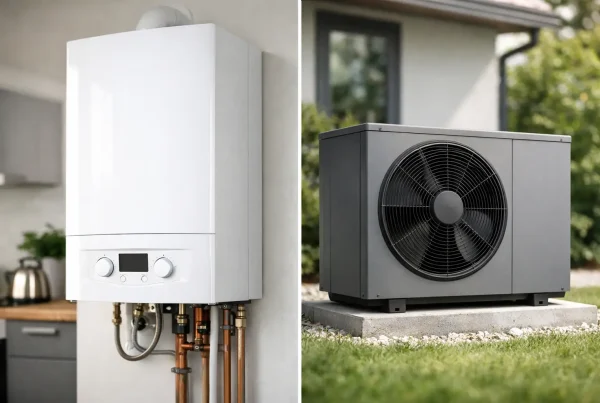
A house that eventually gets warm but takes far too long often has a different problem again. That may be a tired circulating pump, radiators full of sludge, poor controls, or a boiler that is no longer working efficiently.
That is why a proper diagnosis matters. Replacing parts at random usually costs more than fixing the actual cause.
Check the basics before assuming the worst
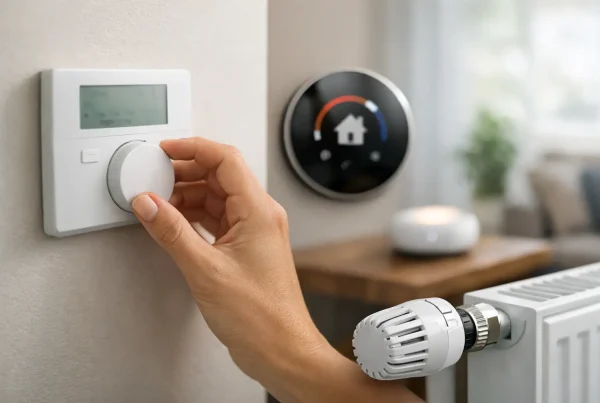
Start with the controls. It sounds obvious, but heating faults are sometimes down to settings rather than breakdowns. Make sure the programmer is actually calling for heat, the thermostat is set high enough, and any smart controls are not running an old schedule. If you have separate heating zones, check each one individually.
Next, look at the boiler pressure gauge if you have a sealed system. Low pressure is a common reason for poor heating performance or a boiler lockout. Most systems operate properly around 1 to 1.5 bar when cold, though this can vary slightly by boiler. If the pressure has dropped too low, the system may struggle to circulate hot water around the radiators.
Then check whether the boiler is showing a fault code. Modern boilers often give a useful clue on the display. That does not mean you should start dismantling anything, but it does help narrow the issue down.
Also pay attention to noise. Gurgling radiators usually suggest trapped air. Banging, kettling or rumbling from the boiler can point to sludge, limescale or circulation problems. A humming pump with little heat output can suggest the pump is running but not moving water properly.
Cold at the top, warm at the bottom
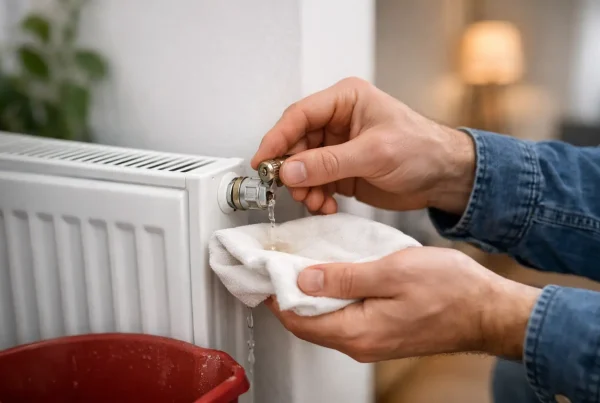
If a radiator is hot at the bottom and cold at the top, air is usually trapped inside. Bleeding the radiator may solve it. This is one of the few checks many homeowners can do safely, as long as the heating is off and you know what you are doing.
If several radiators need bleeding regularly, though, that is a sign of a wider problem. Air should not keep building up in a healthy sealed system. Repeated pressure loss, corrosion or a small leak could be allowing air in.
On the other hand, if the radiator is warm at the top but cold at the bottom, sludge is the more likely cause. That restricts flow and stops heat spreading evenly through the panel. One affected radiator can sometimes be flushed. A system with widespread sludge may need a proper clean and a filter if it does not already have one.
When radiators are patchy or only warm in some rooms
A lot of people assume patchy heating means the boiler is on its way out. Sometimes it does. Often it does not.
Thermostatic radiator valves can stick, especially after being left untouched through warmer months. If one room stays cold while others heat normally, the valve pin may be stuck shut. A lockshield valve can also be closed too far, either by accident or after previous work.
System balancing is another common issue. If radiators nearest the boiler get hot quickly but those further away stay cool, the flow may be uneven. Balancing helps make sure hot water is shared properly around the system. It is not complicated in principle, but it does need a methodical approach.
Then there is the pump. A weak or failing pump may not move water around the system properly, especially in larger homes or older systems. The result is poor heat distribution, longer warm-up times and radiators that never quite get fully hot.
Boiler running but central heating not warming the house
This is where things get more frustrating. If the boiler appears to fire up, but the home still does not warm properly, the problem may sit between the boiler and the radiators rather than with the burner itself.
A motorised valve could be stuck, preventing hot water from reaching the heating circuit. The boiler may be heating water, but not sending it where it needs to go. This is common on systems with separate heating and hot water controls.
The boiler temperature setting also matters. If the central heating flow temperature is set too low, the radiators may only ever get lukewarm. That can happen after someone adjusts settings without realising the effect, especially on newer boilers with digital controls.
There is also a difference between a system that is not heating at all and one that is underperforming. An ageing boiler may still run, but if components such as the heat exchanger, pump or sensors are struggling, the system can become slow, uneven and unreliable before it fully breaks down.
What you can safely do yourself
There are a few sensible checks a householder can make without taking risks. You can confirm the programmer and thermostat settings, check system pressure, see whether individual radiator valves are turned on, and bleed a radiator if you are confident doing it properly.
You can also notice patterns. Is the fault affecting every radiator or just one? Is the hot water working normally? Does the boiler lose pressure after topping up? Does the heating cut out after a few minutes? These details help an engineer diagnose the fault faster.
What you should not do is remove boiler casing, interfere with gas components, or keep resetting a boiler repeatedly without knowing why it has locked out. That can make the fault worse and, where gas appliances are involved, safety comes first.
When it is time to call a heating engineer
If the pressure keeps dropping, the boiler shows fault codes, radiators stay cold after bleeding, or the heating is still not warming the house properly, it is time to get it checked. The longer a circulation or sludge issue is left, the more strain it can put on pumps, valves and the boiler itself.
Landlords should act quickly as well. Poor heating is not just a tenant complaint waiting to happen. It can develop into a bigger repair, and in colder months that can become urgent very quickly.
A good engineer will not just look at the nearest symptom. They will check controls, circulation, pressure, radiator performance and boiler operation as a whole. That matters because central heating faults often overlap. A system can have low pressure, partial sludge build-up and a sticky valve all at once.
For homeowners in Leeds, this is the sort of fault where a fast local response makes a real difference. If the house is cold, you want the problem found properly and sorted without waiting around.
Can servicing help prevent poor heating?
Yes – in many cases it can. An annual boiler service will not fix every radiator problem, but it often picks up warning signs before they turn into breakdowns. Pressure issues, circulation concerns, dirty system water and control faults are all easier to deal with early.
Servicing is also a good point to ask whether your system is heating as it should. Some households get used to poor performance gradually, so they do not realise the system is underperforming until it fails altogether. If rooms take longer to heat than they used to, or some radiators have never worked properly, say so.
Where sludge is becoming an issue, fitting or maintaining a magnetic filter can help protect the boiler and improve reliability. If controls are outdated, better heating controls can also improve comfort and reduce waste. It depends on the age and condition of the system, but there is often a practical fix short of replacing everything.
A cold house does not always mean a major breakdown, but central heating that is not warming properly should not be ignored. The sooner the cause is identified, the better chance you have of avoiding a bigger repair, a full loss of heating, or another winter evening spent waiting for rooms to warm up when they never really do.