A heating control can look like a small decision until you are paying to warm an empty house, returning to cold rooms, or trying to keep a family comfortable without constantly adjusting the boiler. The smart thermostat vs manual controls question is really about how much control you want, how your household runs, and whether your existing heating system is ready for an upgrade.
A manual thermostat is simple, familiar and often perfectly adequate. A smart thermostat adds scheduling, app control and, in some cases, room-by-room heating. Neither is automatically right for every property. The best choice should suit your boiler, radiators, budget and daily routine.
What manual heating controls do well
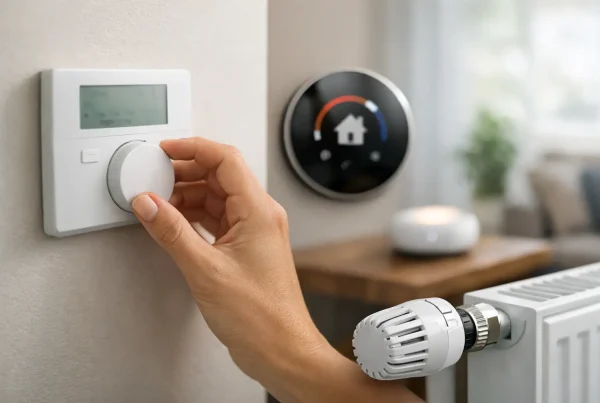
Manual controls usually consist of a wall thermostat, a programmer or timer near the boiler, and thermostatic radiator valves (TRVs) on some radiators. You set the temperature, choose the times you want heating and hot water, and adjust it when your plans change.
Their main advantage is simplicity. There is no app to set up, no Wi-Fi connection to lose and no concern about software updates. For a household with a predictable routine, a correctly programmed timer can keep the home comfortable without much attention. It is also easier for guests, tenants or family members to use a clear dial or button than an unfamiliar phone app.
Manual controls can be cheaper to replace and repair too. If the current thermostat is inaccurate, badly positioned or old-fashioned, fitting a modern programmable room thermostat may improve comfort without the cost of a full smart heating system.
However, simple does not always mean efficient. Many households leave the heating on longer than needed because changing the programme feels like a nuisance. Others turn the thermostat up high in the hope that rooms will heat faster. It will not make the boiler heat the property faster – it only tells the heating to keep running until the higher temperature is reached.
Smart thermostat vs manual controls for everyday use
A smart thermostat connects your heating controls to an app, usually through your home Wi-Fi. That allows you to change the temperature from your phone, set detailed schedules and check whether the heating is on when you are away. Some systems can learn your routine, use local weather information or alert you when the house is unusually cold.
The most useful feature for many homeowners is flexibility. If work runs late, you can delay the heating rather than warming an empty property. If you are heading home early on a wet Leeds afternoon, you can start the heating before you arrive. During holidays, you can keep frost protection in place without leaving the normal schedule running.
That convenience only saves money if it changes how you use the system. A smart thermostat is not a magic fix for a draughty house, a failing boiler or radiators that are cold at the bottom. It gives better control over heat; it does not create heat more cheaply by itself.
For some homes, the app becomes part of the daily routine. For others, it is used for two weeks and then ignored. If you prefer a set-and-forget approach and your timetable hardly changes, a well-programmed manual controller may offer most of what you need.
Room-by-room control can make a real difference
Smart radiator valves are often where a smart system becomes more useful. They can let you schedule individual rooms differently, rather than heating every radiator at the same level.
This suits homes where the spare room is rarely used, bedrooms need less heat during the day, or someone works from a home office. It can also help larger properties with different temperatures from room to room. A bathroom may need warmth in the morning, while a sunny kitchen may not need much heating until the evening.
There are limits. Smart radiator valves should be installed and set up properly, and the system still needs enough water flow to work as intended. In many systems, one radiator is left without a TRV so the boiler and pump have a clear route for circulation. The right arrangement depends on the pipework and controls already in place, which is why an engineer should check before fitting multiple valves.
Running costs: where savings actually come from
Heating bills are driven mainly by how much heat the property loses, the boiler’s efficiency, the temperature you choose and how long the heating runs. Controls affect the last two factors very well. Better scheduling means fewer wasted hours. Accurate temperature control stops rooms being overheated. Zoned heating can avoid heating unused areas.
A smart thermostat can help with all of this, particularly in homes with irregular routines. But it should be installed alongside sensible habits. Set a comfortable temperature rather than chasing very warm rooms, use lower settings in bedrooms where suitable, and avoid blocking radiators with furniture or heavy curtains.
A condensing boiler also benefits when it can run efficiently at lower flow temperatures, provided the home still heats adequately. This is not simply a matter of turning a setting down and hoping for the best. Older radiators, insulation levels and boiler controls all affect the result. An engineer can advise on settings that keep the property comfortable while giving the boiler the best chance to condense efficiently.
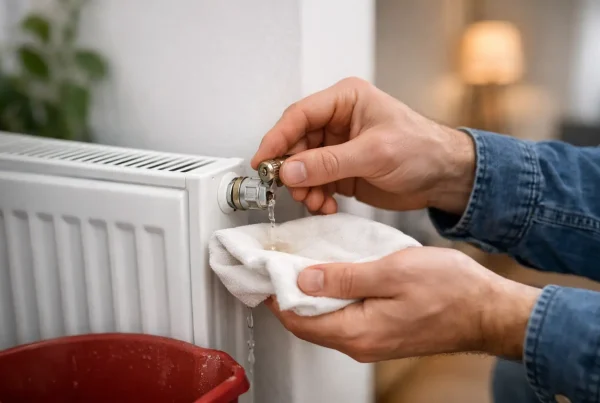
If your boiler is unreliable, loses pressure, makes unusual noises or struggles to heat radiators, deal with that fault first. Spending money on smart controls while the heating system needs repair, flushing or balancing will not solve the underlying problem.
Compatibility matters before you buy
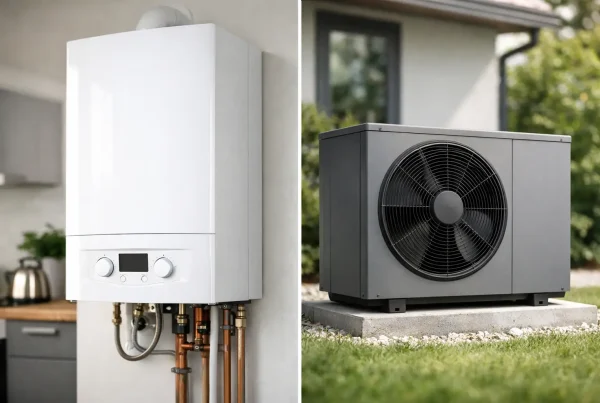
Not every smart thermostat suits every boiler. Most modern combi, system and regular boilers can work with smart controls, but wiring and control compatibility vary. Some boilers use basic on/off switching, while others can communicate through more advanced controls that allow the boiler to adjust its output more smoothly.
Using the manufacturer’s compatible control can sometimes offer better modulation and efficiency, but it is not the only good option. The right choice depends on the boiler model, existing wiring, hot water cylinder if you have one, and what level of control you actually need.
If you rent out a property, keep the controls practical. Tenants need to be able to operate the heating easily, even if the internet fails or a phone is unavailable. Make sure there is a clear handover, written instructions and a straightforward way to change the temperature. Complicated controls can lead to avoidable callouts and complaints.
Installation is not always a simple swap
Some smart thermostats can replace an existing wireless thermostat with little disruption. Others need wiring changes at the boiler, a receiver installation, or alterations to the heating programme. A system with smart valves across several rooms also takes time to fit, label and test.
Heating controls involve electrical connections and boiler controls, so the installation should be carried out correctly. A badly wired thermostat can leave heating permanently on, prevent the boiler from firing, or cause faults that are difficult to trace. It is worth having the whole system checked at the same time, especially if the programmer is old or the boiler has not been serviced recently.
Wi-Fi reliability is another practical point. The heating should still have a manual way to operate if the broadband drops out. Choose a system with physical controls as well as app access, and make sure everyone in the household knows how to use them.
Which option is right for your home?
Manual controls are often the sensible choice if your routine is regular, your current controller works properly and you want a low-cost, no-fuss solution. A modern programmable thermostat may be all that is needed to replace an old timer or inaccurate dial.
A smart thermostat is usually worth considering if your plans change often, the property is empty for parts of the day, or you want to manage heating remotely. Add smart radiator valves when different rooms genuinely need different schedules. Do not add them simply because they are available – each extra control should solve a real comfort or cost problem.
For landlords, reliability and ease of use should come before novelty. For families, remote changes and room schedules can be genuinely helpful. For anyone with an older heating system, start with a proper inspection of the boiler, radiators and existing controls before choosing an upgrade.
If you are unsure what will work with your boiler, a Gas Safe heating engineer can check the system and explain the practical options without pushing unnecessary equipment. The right control should make heating easier to manage, keep the home comfortable and give you fewer reasons to think about the boiler at all.