
When radiators not heating upstairs becomes the problem, the house usually tells you fast. The ground floor feels warm enough, but bedrooms stay cold, the bathroom radiator barely changes, and turning the thermostat up does nothing except waste fuel. In most cases, the issue is fixable, but the cause can range from trapped air to a pump fault or a system balance problem.
The main thing is not to guess and start changing settings at random. A heating system works by moving hot water around the property under the right pressure, at the right speed, and through the right route. If upstairs radiators are staying cold while downstairs ones heat up normally, something is stopping that flow.
Why are radiators not heating upstairs?
The simplest answer is that hot water is not circulating properly to the higher part of the system. Because upstairs radiators sit above the boiler and pipework runs, they often show faults first. Air rises, pressure problems show up sooner, and weak circulation struggles most at the top of the house.
That does not always mean a major repair. Sometimes the issue is basic maintenance. Other times, it points to a part wearing out, especially in older systems.
Start with the easy checks first
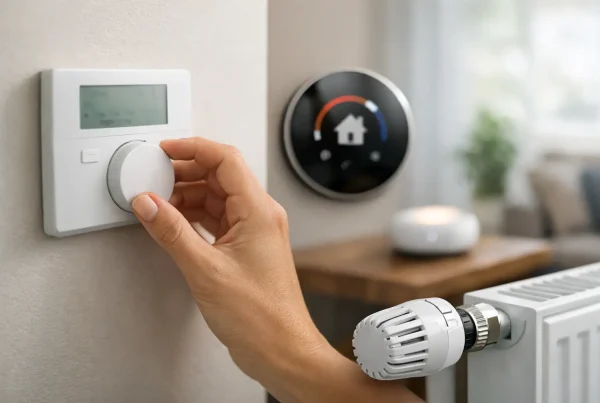
If the boiler is running and some radiators are hot, begin with the straightforward checks before assuming the worst. Look at the thermostat setting and the programmer. It sounds obvious, but separate heating zones, timed schedules or smart control settings can leave part of the house cooler than expected.
Next, check whether the upstairs radiator valves are actually open. Both the thermostatic radiator valve and the lockshield side matter. If a valve has been turned down, stuck, or knocked during decorating or cleaning, water flow may be restricted enough to keep the radiator cold.
Then look at the boiler pressure gauge if you have a sealed system. Low pressure can reduce circulation, and upstairs radiators are often the first to suffer. Most domestic systems run properly around 1 to 1.5 bar when cold, but always follow the boiler manufacturer guidance.
Trapped air is one of the most common causes
If the top of the radiator is cold and the bottom is warmer, trapped air is a likely cause. Air pockets stop hot water filling the whole radiator, and because air rises, upstairs radiators tend to collect it first.
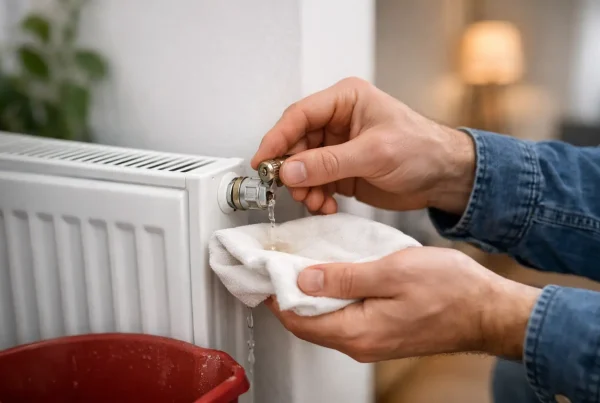
Bleeding the radiator can often solve this. Turn the heating off first and let the system cool slightly. Use a radiator key to open the bleed valve slowly until air hisses out. Once water starts to appear, close it again. After bleeding, recheck the boiler pressure because releasing air can lower it.
If you keep needing to bleed radiators, that points to a wider issue. The system may be taking in air, pressure may be unstable, or corrosion and sludge may be creating gas inside the pipework. Repeated symptoms are worth having checked properly rather than treating them as normal.
Low system pressure can stop heat reaching upstairs
When pressure drops too low, hot water may not circulate strongly enough to the upper floor. You might notice the boiler cutting out, making unusual noises, or struggling to keep temperature steady.
Topping up pressure using the filling loop may restore performance, but it is not a fix if the pressure keeps falling. A leak somewhere in the system, a faulty pressure relief valve, or an issue with the expansion vessel could be behind it. If pressure loss is regular, it needs a proper diagnosis.
Sludge and poor circulation are common in older systems
If downstairs radiators heat well but upstairs are sluggish, black sludge in the system could be restricting flow. This build-up comes from corrosion inside radiators and pipework. Over time it settles in low points, narrows pipe runs, affects radiator performance and puts extra strain on the pump.
You may also notice some radiators hot at the top and cold at the bottom, dirty water when bleeding, or slow warm-up across the property. In that case, the problem is less about a single radiator and more about overall circulation.
A chemical flush may help in milder cases. Heavier contamination may need a powerflush, depending on the age and condition of the system. It depends on how severe the blockage is and whether components like the pump or valves have also been affected. A good engineer will not recommend a flush for the sake of it. The system needs assessing first.
A weak or failing pump can leave upstairs cold
The circulating pump pushes hot water around the heating system. If it is failing, sticking or set incorrectly, the system may still heat part of the house but struggle to reach the upper floor properly.
Typical signs include radiators heating very slowly, boiler overheating, banging or humming noises, or heat only reaching the nearest radiators. Sometimes a pump issue appears after summer when the heating has been off for months and internal parts have seized or stiffened.
This is not usually a DIY job. Pumps involve electrical components and system-side diagnosis, and replacing the wrong part wastes time and money. If bleeding and pressure checks do not solve the issue, the pump is one of the next places to investigate.
Radiators not heating upstairs can be a balancing issue
Not every heating fault is a breakdown. Sometimes the system is simply out of balance. That means too much hot water is flowing through downstairs radiators and not enough is being directed upstairs.
This often happens after radiator replacements, valve changes or other heating work where the lockshield valves have not been adjusted correctly afterwards. The easiest route for water is the first available circuit, so lower radiators can take the lion’s share unless the system is balanced properly.
Balancing is a precise job. It involves adjusting radiator valves so heat distributes evenly around the property. Done right, it improves comfort and efficiency. Done badly, it can make the problem worse.
Motorised valves and zone controls can also be at fault
If your home has more than one heating zone, such as upstairs and downstairs controlled separately, the problem may sit with a motorised valve, wiring fault or control issue rather than the radiators themselves.
In these setups, one zone may call for heat correctly while the other does not open as it should. That can make it look like upstairs radiators have failed when the real issue is that hot water is not being sent there at all.
This is where a clear diagnosis matters. Swapping radiator valves or bleeding repeatedly will not fix a faulty zone valve.
What you can safely do yourself
There are a few checks that are reasonable for most homeowners and landlords. You can confirm the thermostat and timer settings, make sure radiator valves are open, bleed a radiator if needed, and check whether the boiler pressure is within the normal range.
Beyond that, caution is sensible. If you are dealing with electrical controls, persistent pressure loss, pump problems, leaks, or a boiler fault code, it is time to bring in a heating engineer. The aim is to restore heat safely, not turn a repair into a bigger job.
When to call a heating engineer
If the upstairs radiators are still cold after bleeding and pressure checks, or the issue keeps returning, professional diagnosis is the quickest route. The same applies if only some radiators heat, the boiler keeps losing pressure, the pump is noisy, or you suspect sludge in the system.
For landlords, delays can quickly become tenant complaints and bigger maintenance problems. For families, cold bedrooms and bathrooms are not something you want dragging on in winter. Fast diagnosis usually saves money compared with repeated temporary fixes.
A reliable engineer should check the system as a whole, not just the cold radiator. That includes circulation, pressure, controls, valves and signs of contamination. In Leeds, GasPlumb handles these faults with the sort of practical approach most households want – find the cause, explain it clearly, and get the heating working properly again.
How to help prevent the problem coming back
Heating systems do better with regular servicing and the occasional bit of attention before cold weather hits. If your radiators have needed bleeding more than once, warm up unevenly, or the boiler pressure behaves oddly, it is better to deal with it early.
A proper annual boiler service helps spot faults before they leave parts of the house cold. If the system is older, adding inhibitor, fitting or replacing a magnetic filter, and checking system balance can all improve long-term performance. Not every home needs the same work, but neglect nearly always costs more later.
If your upstairs radiators are not heating, the fault might be simple or it might be the first sign that the whole system needs attention. Either way, cold rooms are telling you something useful – and the sooner you act on it, the easier it usually is to put right.