
A cold radiator on a winter morning is frustrating. No hot water when the household is getting ready is worse. This guide to central heating repairs helps you separate the simple checks from faults that need a qualified engineer, so you can act quickly without taking risks.
Central heating faults are not always caused by a broken boiler. A stuck valve, low system pressure, trapped air or a control setting can all leave rooms cold. The right repair starts with finding where the problem sits: the boiler, the controls, the pipework or the radiators.
Start with the safe, simple checks
Before booking a repair, look at the boiler display or indicator lights. Modern boilers often show a fault code, while older models may have a flashing light or warning symbol. Make a note of what you see, rather than repeatedly resetting the appliance. That information can help an engineer diagnose the fault faster.
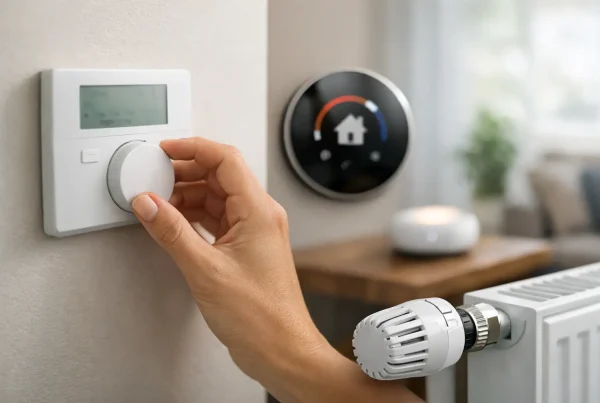
Check whether your heating controls are set correctly. Make sure the programmer is calling for heat, the room thermostat is turned above the current room temperature, and any smart heating app has not applied an unexpected schedule. Replace the batteries in a wireless thermostat if the screen is blank or unresponsive.
Next, check boiler pressure if your boiler has a pressure gauge. Most sealed systems operate at around 1 to 1.5 bar when cold, though the correct range varies by manufacturer. If the pressure has dropped below the marked operating range, the boiler may stop working to protect itself. A single loss of pressure can sometimes be resolved by carefully following the manufacturer’s instructions for repressurising. If it keeps falling, there may be a leak or a fault with the expansion vessel, pressure relief valve or boiler itself.
Do not remove the boiler casing, interfere with gas pipework or attempt to repair internal components. These jobs need a Gas Safe registered engineer. A reset may clear a one-off lockout, but repeated lockouts are a sign that the underlying issue needs attention.
Common central heating problems and what they mean
The boiler has stopped working completely
If both heating and hot water have gone, start by checking the electrical supply. Confirm that the boiler switch is on and that a circuit breaker or RCD has not tripped. Check the gas supply too, but do not touch the meter or pipework. If other gas appliances are also not working, contact your gas supplier for advice.
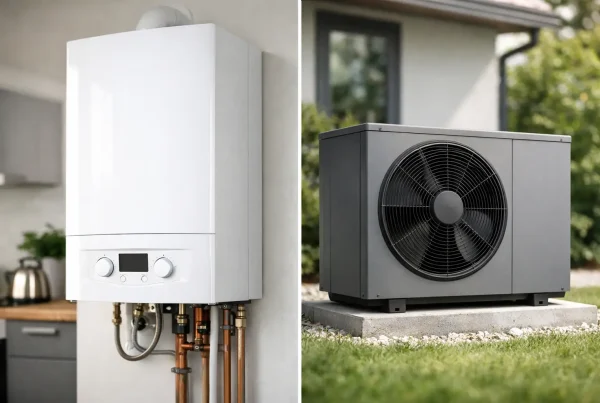
A boiler that has power and gas but will not fire could have a range of faults, from low pressure or a frozen condensate pipe to an ignition, fan, pump or sensor problem. The fault code matters here. Some causes are straightforward; others require replacement parts and proper testing. Trying to guess can turn a manageable repair into a longer breakdown.
Heating works, but there is no hot water
This is often seen with combination boilers. The heating circuit and hot water supply use different controls, so one can work while the other does not. A diverter valve, plate heat exchanger, flow sensor or hot water control fault may be responsible.
Limescale can also affect hot water performance in hard-water areas, especially if water is hot at some taps but weak or lukewarm at others. An engineer can test the boiler safely and confirm whether the fault is inside the appliance or related to the wider plumbing system.
Some radiators are cold or only warm at the bottom
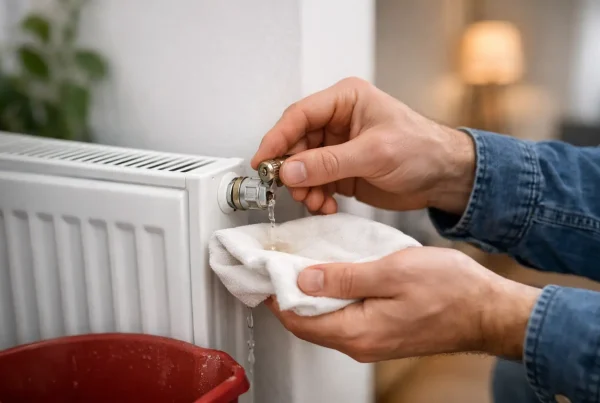
When one or two radiators are cold at the top, trapped air is a likely cause. Bleeding the radiator may solve it, provided you know how to do so safely and check the boiler pressure afterwards. Use a radiator key, protect the wall and flooring with a cloth, and stop once water begins to escape.
A radiator that is cold at the bottom often points to sludge or debris in the system. Over time, corrosion products can settle in radiators and restrict water flow. Turning up the thermostat will not fix this. Depending on the condition of the system, the answer may be chemical cleaning, a powerflush, radiator removal or improvements to system protection.
If radiators are hot upstairs but cold downstairs, or vice versa, the system may need balancing. This involves adjusting radiator valves so heat is shared properly around the property. It is a precise job on larger systems, particularly where extensions, converted lofts or extra radiators have been added over the years.
The boiler is noisy, leaking or losing pressure
Banging, whistling, gurgling and vibrating noises should not be ignored. Some sounds are caused by air in the system or a pump working hard. Others can indicate kettling, restricted circulation or a failing component. A boiler that is leaking needs prompt attention, even if the leak looks small. Water can damage electrical parts and may cause the boiler to shut down.
Keep an eye on pressure after any repressurising. If it falls again over a few days or weeks, do not keep topping it up. Fresh water introduces oxygen into the system, which can encourage further corrosion. A professional repair should identify why the system is losing pressure in the first place.
When central heating becomes an emergency
A lack of heating is urgent when there are young children, older residents, vulnerable people or freezing temperatures outside. It may not always be a gas emergency, but it is sensible to arrange a prompt repair rather than wait for further damage or discomfort.
The situation is more serious if you smell gas, feel unwell with headaches or dizziness, notice soot marks around a boiler, or a carbon monoxide alarm sounds. Turn off the gas supply at the emergency control valve only if it is safe to do so, open doors and windows, leave the property, and call the National Gas Emergency Service on 0800 111 999. Do not use electrical switches, smoke, use naked flames or return until you have been told it is safe.
Carbon monoxide has no smell or colour. Every home with gas appliances should have a working audible carbon monoxide alarm, placed and maintained in line with its instructions. It is a small safeguard with a very important job.
What a professional repair visit should involve
A proper central heating repair is more than getting the boiler to restart. The engineer should listen to the symptoms, inspect the relevant parts of the system, diagnose the cause and test the repair before leaving. For gas appliances, this includes appropriate safety checks.
The cost depends on the fault, access, appliance age and whether replacement parts are needed. A failed sensor is very different from a damaged heat exchanger or a leaking buried pipe. Ask for a clear explanation of the diagnosis and the available options before work begins, especially where a larger repair is involved.
For older boilers, repair versus replacement is not always a simple decision. If the boiler is reliable apart from a minor fault, repairing it can be the sensible choice. If it is breaking down regularly, parts are hard to source or efficiency is poor, a new boiler may offer better long-term value. The condition of the radiators, controls and system water should be considered too, not just the boiler on its own.
Prevent repairs with regular heating care
Annual boiler servicing is the best starting point. It gives an engineer the chance to check safe operation, spot worn components and identify issues before they leave you without heat. It also helps landlords meet their gas safety responsibilities, although a service and a landlord gas safety check are not exactly the same job.
Between visits, run the heating occasionally in warmer months, keep boiler vents clear, and pay attention to changes in pressure, noise or performance. If you have a magnetic filter, have it checked and cleaned as part of servicing. Good system protection can reduce sludge build-up and help major components last longer.
Smart controls can also make a practical difference. They will not repair a faulty system, but they can help prevent wasted heating by giving you better control over schedules and room temperatures.
When heating or hot water fails, quick action matters. For homeowners and landlords in Leeds, GasPlumb can diagnose the problem, carry out safe repairs and help you decide on the most practical next step. A clear fault report and the right repair now can save a colder, more expensive problem later.