
One minute the heating is fine. The next, your boiler screen is flashing a code you have never seen before and the hot water has gone. This guide to boiler fault codes is here to help you work out what that message is telling you, what you can check safely at home, and when to stop guessing and call an engineer.
Boiler fault codes are there to point you in the right direction, not to give a full diagnosis. That matters because the same code can sometimes be caused by more than one issue. A low pressure warning, for example, might be a simple top-up job, or it might be the first sign of a leak somewhere on the system.
What boiler fault codes actually mean
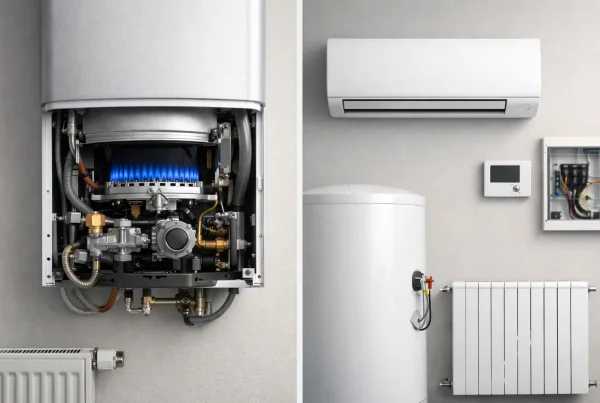
Modern boilers monitor key parts of the heating system all the time. If the boiler spots something outside normal limits, it shows a fault code to protect itself and, in some cases, to protect your home.
Some codes point to a minor issue such as low system pressure, a failed ignition attempt or a temporary sensor reading. Others suggest a more serious problem with gas supply, combustion, fan operation, pump movement or overheating. The code itself is useful, but the real value comes from looking at the code alongside the symptoms. No hot water, banging pipes, pressure loss, a frozen condensate pipe and repeated lockouts all tell part of the story.
This is why a guide to boiler fault codes can save you time, but it should not replace a proper repair. If your boiler keeps locking out, smells unusual, leaks, or shows the same code repeatedly after a reset, you need a Gas Safe engineer rather than another internet search.
Why the same fault code can mean different things
Homeowners often assume fault codes are universal. They are not. An F-code on one make may mean something completely different on another. Even within the same brand, older and newer models can use different displays and different code systems.
That is where people get caught out. You find a code online, try a fix meant for another model, and lose time while the house gets colder. The safest way to read any code is to start with the boiler make and model, then match the code properly.
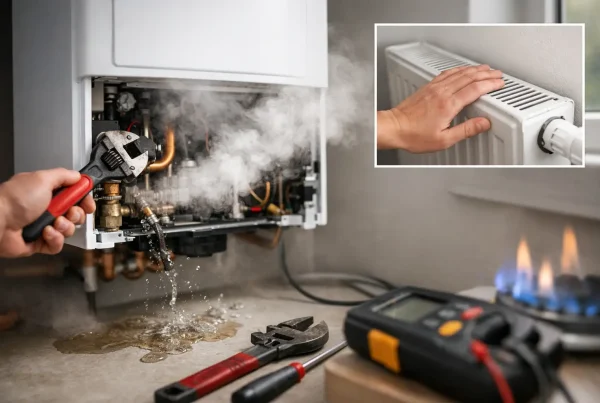
It also helps to separate what you can check from what needs tools and training. You can usually look at pressure, power supply, thermostat settings and whether the condensate pipe is frozen. You should not remove the boiler case, interfere with gas components or try to test electrical parts yourself.
Common boiler fault codes and what to check first
A lot of callouts come down to a short list of common faults. The wording varies by manufacturer, but the pattern is often familiar.
Low pressure codes
If the pressure has dropped too low, the boiler may shut down or refuse to fire. On many systems, normal pressure when cold sits around 1 to 1.5 bar, though it depends on the setup.
If the gauge is clearly low, repressurising may get you going again. The catch is that pressure does not usually disappear for no reason. If you have to top it up more than once, there may be a leak on the boiler, radiators, pipework or pressure relief valve. Repeated topping up without finding the cause can make things worse.
Ignition or flame failure codes
These codes often appear when the boiler tries to light but cannot keep a stable flame. Sometimes the cause is simple, such as a temporary interruption after a power cut. Sometimes it points to gas valve issues, electrodes, condensate problems or poor combustion.
Check whether other gas appliances are working if you have them, but do not carry out any gas work yourself. If the boiler resets once and runs normally, it may have been a one-off. If the code returns, it needs proper diagnosis.
Overheating codes
An overheating code means the boiler has got too hot or believes it has. That can be caused by poor circulation, a stuck pump, air in the system, sludge, blocked components or a faulty sensor.
If some radiators stay cold while others get very hot, or if you hear gurgling and kettling noises, poor circulation may be part of the problem. Turning the boiler off and on again might clear the lockout briefly, but it will not solve the underlying fault.
Fan or air pressure switch codes
These are common on modern condensing boilers and usually relate to safe flue operation. If the fan is not running properly, or the pressure switch is not proving airflow as expected, the boiler will often lock out.
This is not a DIY job. It affects combustion safety and needs an engineer.
Sensor and thermistor codes
Boilers rely on sensors to read temperature and system conditions. If a thermistor goes out of range, becomes damaged or sends the wrong reading, the boiler can behave erratically or shut down.
These faults can look minor on the display but still need hands-on testing. Swapping parts without diagnosis is a good way to waste money.
Frozen condensate related codes
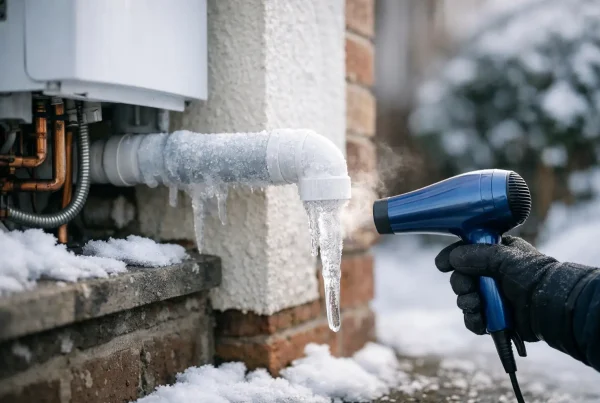
In very cold weather, the condensate pipe can freeze and block the boiler from operating properly. This is especially common if the external pipe run is poorly insulated or too exposed.
A frozen condensate issue may show as a lockout, ignition failure or general fault depending on the boiler. If you suspect freezing, you may be able to thaw the external pipe safely with warm, not boiling, water. If you are unsure, leave it alone and call for help.
What you can safely do before calling an engineer
There are a few sensible checks that can save time.
First, make sure the boiler has power. It sounds obvious, but a switched spur knocked off by accident is a regular one. Then check the thermostat settings and timer programme. If you have recently changed the clocks, that can also throw heating schedules out.
Look at the pressure gauge if your system has one. If it is low, follow the manufacturer instructions for topping up only if you are confident and only if this is not a repeated problem. Check whether the condensate pipe may be frozen during cold snaps. Finally, try a single reset if the manual allows it.
If the code stays on, comes back quickly, or the boiler leaks, bangs, smells odd or loses pressure again, stop there. Those are not signs to keep experimenting.
When a boiler fault code points to something urgent
Not every fault code is an emergency, but some situations should be treated urgently.
If you smell gas, do not start pressing reset buttons or checking inside the boiler. Turn the gas off if safe to do so, open windows, avoid electrical switches and get urgent help straight away.
If you have no heating and no hot water in winter, that can also become urgent very quickly, especially with children, older relatives or vulnerable tenants in the property. Landlords have an extra responsibility here. A boiler that is locking out repeatedly should not be left to limp on for days.
Water leaks around the boiler also need fast attention. What starts as a minor drip can damage components, walls, flooring and ceilings, and can turn a repairable issue into a larger bill.
Guide to boiler fault codes by brand – why make matters
Most people search fault codes by brand for a reason. Worcester Bosch, Vaillant, Ideal, Baxi and other manufacturers all use their own code systems and their own known fault patterns.
That means the right repair depends not just on the number or letter on the display, but on the exact boiler in front of you. Some models are prone to pressure issues, some to condensate blockages, some to ignition parts or diverter valve faults. Knowing the brand helps, but it still needs proper testing before parts are ordered.
For homeowners and landlords, the practical point is simple. Keep the code, boiler make and model, and any symptoms ready when you call. That gives the engineer a better chance of arriving prepared and getting the heating back on faster.
How regular servicing helps prevent fault codes
A lot of nuisance faults build up slowly. Dirty components, weak seals, poor water quality, blocked condensate traps and worn ignition parts do not always fail all at once. They often give warning signs first.
Annual servicing helps catch those issues before they become a winter breakdown. It also gives you a clearer record of the boiler’s condition, which is useful if the same fault keeps returning. In many homes, servicing is the difference between a straightforward fix and a cold-house emergency callout.
If your boiler is older, needs frequent repairs or throws up different fault codes every few months, it may be worth looking at the bigger picture. Sometimes repair is the sensible option. Sometimes ongoing faults are telling you the boiler is reaching the point where replacement makes more financial sense.
Fault codes are useful, but they are only the starting point. The real job is finding out why the boiler is unhappy and fixing it properly, so you are not staring at the same flashing display next week. If you are dealing with a recurring fault or a full breakdown, the best next step is simple – get it checked, get it made safe, and get your heating working again.