
If a tenant is due to move in next week and your certificate has expired, it stops being a routine job and turns into a problem. A gas safety certificate Leeds landlords can rely on is not just a box to tick. It protects your tenants, keeps you compliant and helps you avoid last-minute stress when renewals, inspections or property handovers come around.
For most landlords, the real issue is not understanding the law in theory. It is getting the inspection booked at the right time, making sure every gas appliance is covered, and dealing with any faults quickly enough to keep the property on track. That is where a reliable local engineer makes all the difference.
What a gas safety certificate in Leeds actually covers
A landlord gas safety certificate, often called a CP12, is issued after a Gas Safe-registered engineer inspects the gas appliances and flues in a rented property. The purpose is simple. It confirms that the gas installation checked on the day is safe to use.
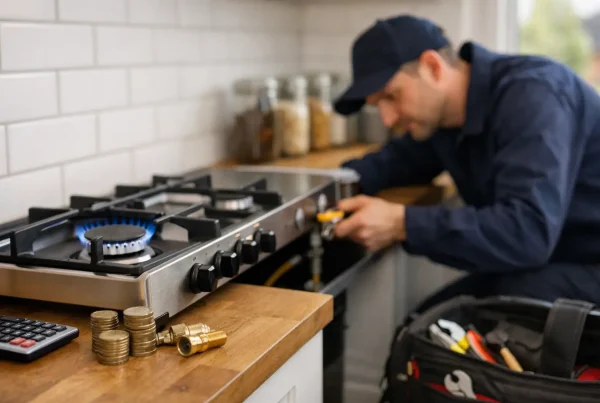
That usually includes the boiler, gas hob, gas fire and any other landlord-owned gas appliance in the property. The engineer will also check the flue, ventilation, appliance pressure and general condition, then look for signs that anything is unsafe or not working as it should.
It is worth being clear on one point. A gas safety check is not the same as a full boiler service. A safety inspection focuses on compliance and immediate safety. A service is more detailed maintenance work designed to keep the appliance running efficiently and help prevent breakdowns. Sometimes landlords book both together, which can make good sense, especially if the boiler is older or the tenant has reported issues.
Who needs a gas safety certificate Leeds inspection
If you are a landlord renting out a property with gas appliances, you are legally responsible for arranging an annual gas safety check. That applies whether you own one flat or manage several houses. If the property has no gas at all, then there is no gas safety certificate requirement. If there is a gas supply and landlord-owned gas appliances, the certificate is part of your legal duty.
This matters for private landlords, letting agents and property managers. It also matters for anyone renting out a home to family members under a formal tenancy. If you are unsure whether a specific setup needs a certificate, it is better to ask than assume.
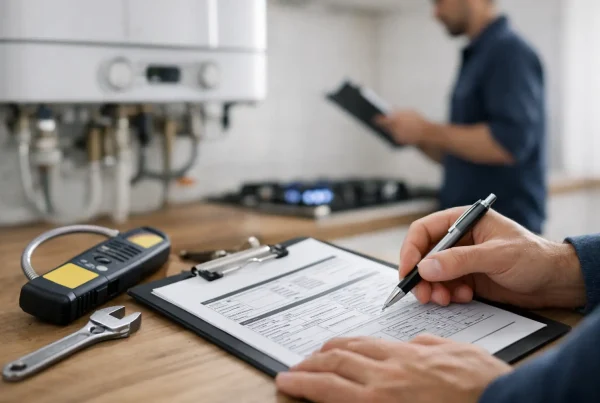
The practical side is straightforward. Book the inspection before the current certificate runs out, make sure the engineer has access to all relevant appliances, and keep a copy of the record. Tenants need to receive a valid copy too.
What happens during the inspection
A proper inspection should be efficient, but it should not feel rushed. The engineer will work through each gas appliance covered by the landlord’s responsibility and check that it is operating safely.
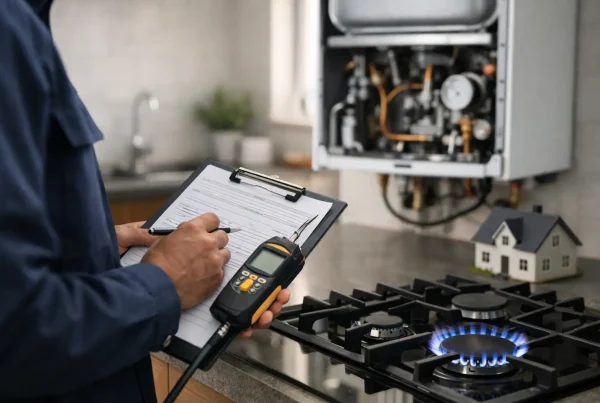
That includes looking for gas tightness, checking whether appliances are burning correctly and confirming harmful fumes are being safely removed. The engineer will also assess whether ventilation is adequate and whether any safety devices are working as they should.
If everything passes, the certificate can be issued. If something does not, the engineer should explain the issue clearly and tell you what needs to happen next. In some cases it is a minor repair. In others, an appliance may need to be capped off or condemned until it is made safe.
That is the part many landlords worry about, but it is better to find a fault during a planned inspection than after a tenant reports a smell of gas or a boiler problem in the middle of winter.
Common reasons landlords get caught out
The biggest problem is usually timing. Certificates are annual, but they are easy to forget when you are juggling rent, maintenance, void periods and tenant queries. Leave it too late and you are suddenly trying to arrange access, fix faults and stay compliant all at once.
Access itself can be another issue. If tenants are hard to reach or appliances are boxed in, the appointment can be delayed. It helps to give tenants notice early and make sure the engineer can get to the boiler, meter and any gas cooking appliances without obstruction.
There is also confusion around appliance ownership. If a tenant has brought in their own gas cooker, your legal responsibility may be different from the appliances you have supplied. That said, if there is any uncertainty, a sensible engineer will point it out and explain what is and is not covered.
Older appliances can create another delay. A boiler that has not been serviced properly may still be running, but the inspection may uncover faults, poor combustion, flue issues or ventilation concerns that need attention before the certificate can be issued.
Gas safety certificate Leeds checks for different properties
Not every property is the same, and that affects how straightforward the inspection is. A modern flat with one combi boiler and a hob is usually simple. A larger house with a boiler, gas fire and older pipework can take more time and may be more likely to need remedial work.
HMOs and managed rental properties often need a bit more coordination because access and documentation matter more. If multiple tenants are involved, clear communication becomes part of the job. The same goes for properties between tenancies, where checks are often tied to cleaning, repairs and move-in dates.
For landlords with more than one property, consistency matters. Using one dependable local company helps keep records organised and makes annual renewals easier to track. It also means that if a fault is found, you are not starting from scratch with someone who does not know the property.
Why local response matters more than most landlords think
A gas safety certificate is planned work, but rental properties rarely run to plan. If a boiler fails during the inspection, or an appliance is found to be unsafe, you need the next step handled quickly. That might mean a repair, a service, replacement parts or, in some cases, a new appliance.
This is where a full-service heating and plumbing company is often the better choice than a one-off certificate provider. If the same team can inspect, diagnose and fix the problem, you save time and reduce the chance of delays for your tenant.
For landlords in Leeds, local coverage is not just about convenience. It means faster booking, better availability for follow-up work and a clearer idea of who to call when something changes at short notice. GasPlumb works that way – practical local service, fast response and no messing about when a property needs attention.
How to keep the process simple each year
The easiest way to manage landlord gas safety is to treat it like part of your annual property routine, not a separate headache. Book ahead rather than waiting for the expiry date. If your boiler is due a service around the same time, it can be worth dealing with both together.
Keep your previous certificates filed properly and note renewal dates in advance. If you manage several properties, spread the bookings so they do not all fall in the same month. That reduces pressure and gives you more room to deal with any repairs.
It also helps to use engineers who explain things plainly. You do not need a lecture or vague technical language. You need to know whether the property is safe, whether the certificate can be issued, and what needs fixing if it cannot.
Choosing the right engineer for a gas safety certificate in Leeds
The non-negotiable point is Gas Safe registration. Beyond that, look for reliability, clear communication and the ability to deal with problems there and then. A cheap inspection is not much use if you cannot get anyone back when the boiler fails the check.
It also pays to choose a company that understands the way landlords work. That means turning up when agreed, providing proper records and keeping disruption to tenants to a minimum. If the property needs extra work, you want clear pricing and a realistic timescale, not guesswork.
There is always a balance between cost and speed. If everything in the property is modern and well maintained, the check may be quick and straightforward. If the system is older, you may save money in the short term by doing the minimum, but you are more likely to face repairs, repeat visits or emergency callouts later.
A gas safety certificate is one of those jobs that is easy to put off when nothing seems wrong. But gas problems rarely give much warning, and compliance issues have a habit of surfacing when you are already under pressure. Getting it sorted properly, and on time, is usually the cheapest and least stressful option. If your certificate is coming up for renewal, the best time to book it is before it becomes urgent.