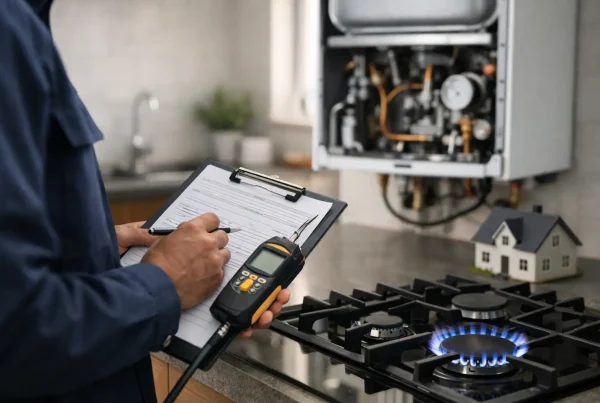

Replacing a cooker should be straightforward, but gas cooker installation costs can change quickly if the existing connection is old, the pipework needs altering or the appliance arrives without the right fitting. The safest approach is to get the job checked by a Gas Safe registered engineer before installation day, so there are no surprises when you need to cook dinner.
For most homes, the price covers more than attaching a hose and turning the gas back on. A proper installation includes checking the appliance, making a safe connection, testing for leaks and confirming that the cooker is working correctly. If anything is not up to standard, it must be dealt with before the appliance can be left in use.
Typical gas cooker installation costs
A straightforward replacement, where a new freestanding gas cooker is going into the same position as the old one and a suitable bayonet connection is already in place, is usually the lower-cost type of job. The engineer can disconnect the old appliance, connect the new cooker, test the supply and carry out the necessary safety checks.
Costs increase where the installation is not a like-for-like swap. For example, there may be no existing gas point, the cooker may need a rigid pipe connection, or the supply pipe may need extending or upgrading. Moving a cooker to another wall can also involve extra pipework, access work and making good afterwards.
As a general guide, allow for a standard installation to cost less than work requiring new pipework or changes to the gas supply. The only reliable price is one based on your kitchen, cooker type and current gas connection. A low headline figure is no use if it excludes the testing, parts or remedial work needed to leave the appliance safe.
What affects the final price?
The main factor is the condition and location of your existing gas supply. If there is a compliant connection close to the cooker, the installation is normally quicker. If the engineer finds unsuitable pipework, a damaged bayonet fitting or an inaccessible isolation valve, more work may be needed.
The appliance itself matters too. A standard freestanding cooker is often simpler to fit than a built-in gas hob, range cooker or model with a specialist connection requirement. Large range cookers can be heavy and may need more than one person to position safely. Built-in appliances may also require the kitchen unit, ventilation and clearances to be checked before connection.
Other costs can arise from:
- replacing a worn or unsuitable hose, bayonet socket or isolation valve;
- installing or altering copper gas pipework;
- providing an accessible means of isolating the appliance;
- removing and disposing of an old cooker where this has been agreed; and
- correcting ventilation or clearance issues around the appliance.
None of these additions are optional shortcuts. Gas work must be completed safely and in line with the appliance manufacturer’s instructions. If a cooker cannot be safely connected, a responsible engineer will explain why rather than taking a risk in your home.
Is disconnection included?
It depends on the booking and the condition of the old cooker. Disconnecting an existing appliance is often part of a replacement job, but removal from the property or disposal may be charged separately. If you are arranging delivery of a new cooker, check whether the retailer will take the old one away. Do not assume the gas engineer can dispose of it unless this has been agreed in advance.
Does the cooker need a hose?
Many freestanding gas cookers use an approved flexible hose and bayonet fitting. The hose must be the right type, properly fitted and within date. It also needs to remain visible and accessible, rather than being trapped behind cabinets or stretched tightly around the appliance.
Some cookers require a fixed connection instead. The installation instructions supplied with the appliance set out the requirements. Having the make and model ready when asking for a quote helps the engineer plan the work and advise whether any extra parts are likely.
Why a Gas Safe engineer is not an extra
Gas cooker fitting is not a DIY task. An incorrectly fitted cooker can leak gas, create a fire risk or produce dangerous carbon monoxide if combustion is affected. A connection can look fine from the outside while still failing a tightness test.
A Gas Safe registered engineer will test the gas supply after fitting, check the burner flames, confirm safe operation and look for issues with the surrounding installation. They can also identify problems that are easy to miss, such as inadequate clearances, a damaged hose or a cooker set up for the wrong gas type.
For landlords, the stakes are higher still. Gas appliances and flues must be covered by the appropriate annual gas safety checks. Keeping installation and servicing work in the hands of a qualified engineer helps protect tenants, the property and your compliance records.
How to get an accurate installation quote
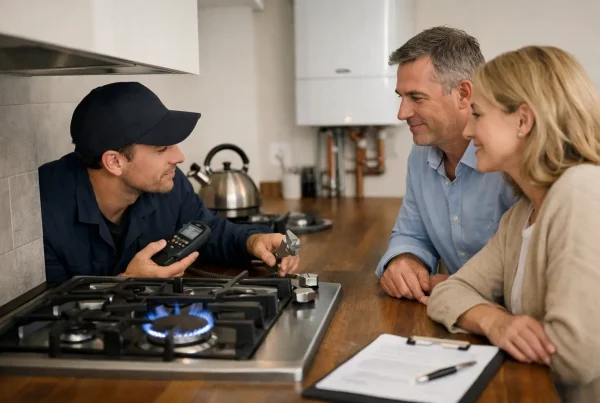
A few details make it much easier to price the job properly. Tell the engineer whether you are replacing an existing gas cooker or installing one where there has not been one before. Confirm whether the cooker is freestanding, built-in or a range cooker, and provide the make and model if possible.
It also helps to mention any access issues. A cooker going into a ground-floor kitchen with clear access is different from a heavy appliance that must be carried up narrow stairs. If you have photographs of the existing gas connection and the space behind the cooker, these can help identify whether the work is likely to be straightforward.
Ask what the quoted price includes. A clear quote should state whether it covers connection, testing, minor fittings and disconnection of the old appliance. If additional pipework may be needed, ask how that will be priced and whether the engineer will discuss the cost with you before carrying out extra work.
When installation costs may point to a bigger issue
Sometimes a cooker installation reveals a wider problem with the gas supply. Old pipework may not be adequate for the appliance, a previous alteration may not meet current standards, or the kitchen layout may leave insufficient clearance around the cooker. These issues can be frustrating, especially when you have just bought a new appliance, but dealing with them properly is better than living with an unsafe installation.
If your cooker has been disconnected because of a suspected gas leak, damage or a fault, do not reconnect it yourself. Turn off the gas supply if it is safe to do so, avoid switches and naked flames, ventilate the property and arrange urgent help. A fast fix only counts if the system is tested and safe afterwards.
For Leeds homeowners and landlords, GasPlumb can assess the connection, explain the work required and install your gas cooker properly. The right quote is not simply the cheapest one on paper. It is the one that leaves you with a safe cooker, a tested gas supply and no doubt about the job being done correctly.