
A new cooker should be simple. The old one comes out, the new one goes in, dinner gets back on track. But with gas appliances, there is no room for guesswork. If you need gas cooker installation Leeds homeowners can rely on, the key is making sure the job is done safely, legally and properly from the start.
Plenty of people are surprised by what is actually involved. A cooker installation is not just connecting a hose and pushing the appliance into place. The engineer needs to check the existing gas supply, confirm the right fittings are in place, test for soundness, make sure ventilation is suitable where required, and confirm the appliance is operating as it should. That is what protects your home and the people in it.
Why gas cooker installation is not a DIY job
Gas work is one of those jobs where cutting corners can go badly wrong. A poor connection, the wrong bayonet fitting, damage to a hose or a missed leak can create a serious safety risk. Carbon monoxide, fire risk and gas escape are not small problems. They are urgent ones.
That is why gas cooker installation must be carried out by a Gas Safe registered engineer. It is not just a box-ticking exercise. It is the difference between an appliance that is safe to use and one that could put your household at risk. If you are a landlord, it matters even more because you have legal responsibilities around gas safety in your property.
Even when a cooker looks like a straight swap, it still needs checking properly. Pipework may be older than expected. The isolation valve may not be working as it should. The new cooker may have different clearance requirements from the old one. A proper engineer looks at the full picture, not just the connection point.
What happens during gas cooker installation in Leeds
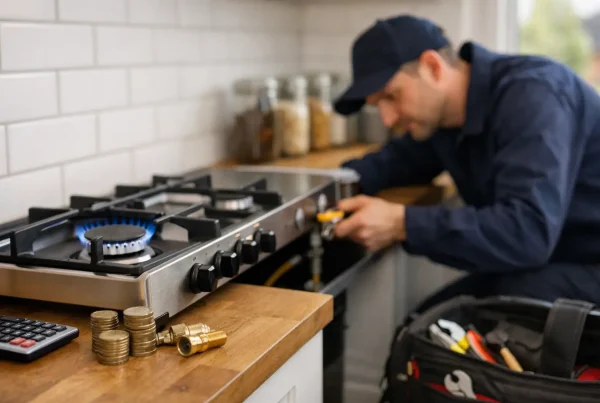
For most homes, the appointment is straightforward if everything is already in place. The engineer will first check the appliance and the existing gas supply. If the cooker has been delivered but still packaged or not positioned correctly, that may need sorting before any gas work starts.
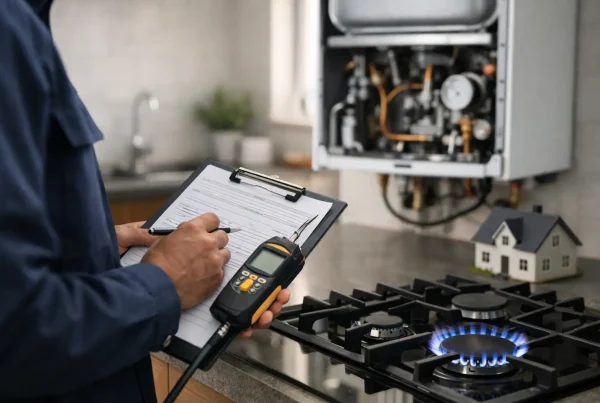
Once access is clear, the existing appliance can be disconnected if needed, and the new one can be connected using the correct fittings for that model and setup. After that, the engineer carries out testing. This includes checking for gas leaks, making sure the appliance is burning correctly and confirming it is safe to use.
In some cases, the job takes longer because the installation is not like-for-like. A freestanding cooker replacing a different size unit, pipework that needs adjusting, or an unsuitable connection point can all change the job. That does not mean there is a problem, but it does mean the engineer needs to deal with it properly rather than force a quick fit.
A straight swap is easier, but not always guaranteed
People often book an installation expecting it to be a simple replacement, and sometimes it is. If the cooker is the same type, the gas point is in the right place and the fittings are compliant, the work is usually quick and tidy.
But some homes have older pipework or previous work that was never done particularly well. That can mean extra time is needed to bring things up to standard. It is better to find that out before the cooker is used than after something goes wrong.
Positioning matters more than most people think
A gas cooker cannot just be wedged into any gap. There needs to be suitable space around it, and nearby units or surfaces must meet the appliance manufacturer’s requirements. If clearances are too tight, it can affect both safety and performance.
That is one reason measurements matter before delivery. It saves the usual headache of a cooker arriving only to find it does not sit properly or cannot be connected safely where expected.
Common issues that can delay installation
The biggest delays tend to come from things outside the appliance itself. The cooker may arrive with the wrong type of connection kit, the shut-off valve may be inaccessible, or the space may not suit the appliance selected. Sometimes the old cooker has been removed already, only for the new one to turn out to be a different fuel type or unsuitable for the existing setup.
There are also occasions where the gas supply pipe is undersized or routed poorly. If the appliance cannot get the gas flow it needs, performance suffers and the installation may not be safe to complete without remedial work. A good engineer will explain that clearly and tell you what needs doing next.
This is where using one local company for gas, heating and plumbing work often makes life easier. If another issue shows up during the job, you are not left chasing several trades just to finish one installation.
How to prepare for a cooker installation appointment
A little preparation helps the appointment go smoothly. Make sure the new cooker is on site, accessible and suitable for your home. Check whether it is natural gas and not an alternative fuel model. Clear the area around the appliance so the engineer can work safely and reach the connection point without moving half the kitchen first.
If the old cooker is still in place, ask in advance whether disconnection and removal are included. Not every job covers disposal, and it is better to know that before the day. If you have the manufacturer’s instructions, keep them handy. They can help confirm installation requirements quickly.
If you have just moved house or you are replacing a cooker in a rental property, it is sensible to mention that too. Those situations sometimes bring up extra checks, especially where there is limited history on previous gas work.
What landlords should keep in mind
For landlords, gas cooker installation is not just about getting the appliance working. It is about tenant safety and compliance as well. If a cooker is being installed in a let property, it needs to be fitted by a qualified Gas Safe engineer and left in safe working order.
You may also need to think about the wider gas safety record for the property. If the installation forms part of a change of tenancy, refurbishment or appliance replacement, it often makes sense to coordinate it with a wider gas safety check. That keeps records cleaner and reduces the chance of loose ends being missed.
A rushed installation to meet a move-in date can cost more later if there is a callout, complaint or safety issue. It pays to get it done properly first time.
How much does gas cooker installation cost?
Cost depends on the job. A basic like-for-like installation is usually more affordable than a setup that needs pipework changes or fault finding first. Access, appliance type and whether the old cooker needs disconnecting all affect the final price.
The cheapest quote is not always the best value. If someone is pricing the job without asking basic questions about the appliance, connection type or existing setup, that is worth noticing. A proper quote should reflect the work that may actually be needed, not just the easiest possible version of it.
For most households, what matters is clear pricing, a safe installation and knowing the cooker is ready to use without worry. That is better than saving a small amount upfront and paying for a repair visit later.
Choosing the right engineer for gas cooker installation Leeds
When booking gas cooker installation Leeds residents should look for a Gas Safe registered engineer with real experience in domestic gas work. That sounds obvious, but it matters. Cooker installations are often treated as minor jobs when they are anything but.
A dependable local engineer will ask the right questions before arriving. They will want to know the appliance type, whether it is a replacement or first-time fit, and if any pipework changes might be needed. That usually tells you a lot about the standard of service you are getting.
It also helps to use a company that can deal with related issues if they come up. If a gas leak is found, a valve needs replacing or another household gas problem is spotted, you want someone who can sort it without delay. That practical, all-in-one approach is often what saves customers time and stress.
When to book sooner rather than later
If your current cooker is unsafe, leaking, damaged or not working properly, do not keep using it while you decide what to do. Gas problems do not improve with time. If you can smell gas or suspect a leak, it becomes an urgent issue and needs immediate attention.
Even without an emergency, booking ahead is sensible if you have a delivery date, tenants moving in, or kitchen work planned around the appliance. Last-minute bookings can be harder to fit in, especially if extra parts or pipework alterations are needed.
A gas cooker should be one of the most reliable appliances in the kitchen. When it is fitted properly, it usually is. Get the installation right, and everything after that tends to be a lot easier.
For more information visit:
https://www.gassaferegister.co.uk/gas-safety/gas-appliances/gas-cooker-and-hob-appliance-guide/