
A boiler flame that keeps going out is more than an inconvenience when you need heating or hot water. If your boiler flame keeps going out, it is usually the boiler’s safety system responding to a fault. The cause may be a simple pressure issue, but it can also involve the gas supply, ignition, flue or combustion. Do not keep resetting it and hoping for the best.
Modern boilers are designed to shut down when they cannot operate safely. A qualified Gas Safe engineer can identify why it is happening, repair the fault properly and check that the appliance is burning gas safely.
First, know when to stop using the boiler
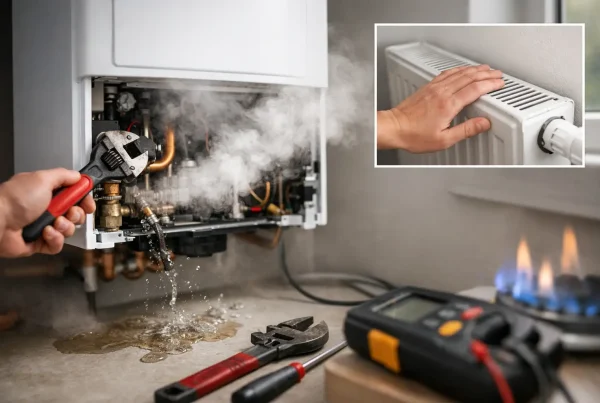
Turn the boiler off and arrange urgent professional help if you can smell gas, notice black marks or staining around the boiler, feel unwell when it is running, or have a carbon monoxide alarm sounding. Open doors and windows if safe to do so, avoid switches and naked flames, and leave the property if there is a strong smell of gas. Call the National Gas Emergency Service on 0800 111 999.
Carbon monoxide has no smell and no colour. Symptoms can include headaches, dizziness, nausea and unusual tiredness, particularly if they improve when you leave the house. Treat these signs seriously. Do not attempt to remove the boiler casing, adjust internal parts or relight a burner yourself.
Why a boiler flame keeps going out
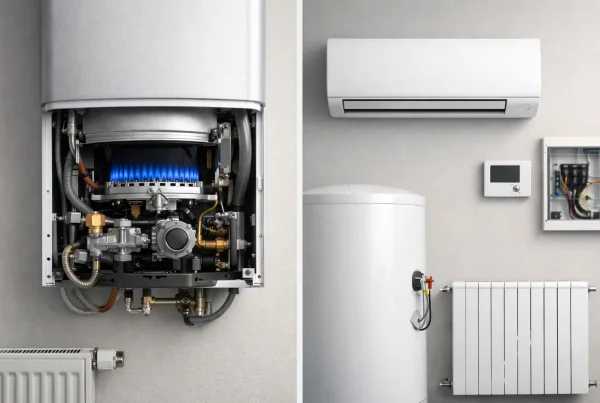
Older boilers may have a pilot flame that should stay lit. Most modern condensing boilers do not have a permanent visible pilot light, but they still ignite a burner flame when there is demand for heating or hot water. In either case, repeated flame failure points to a problem the boiler cannot safely ignore.
Low boiler pressure
Low system pressure is one of the more common causes of a boiler locking out. Check the pressure gauge when the heating is cold. Most sealed central heating systems should sit around 1 to 1.5 bar, although the correct setting can vary by manufacturer and system.
If the pressure is below the recommended level, the boiler may display a fault code or fail to fire. Repressurising can sometimes restore operation, but it is not a full answer if the pressure keeps dropping. A recurring loss of pressure can indicate a leak on the heating system, a faulty pressure relief valve or an issue with the expansion vessel.
Faulty flame sensor or thermocouple
A pilot-light boiler relies on a thermocouple to confirm that a flame is present. If the pilot goes out, the thermocouple should shut off the gas supply. On newer boilers, a flame sensor performs a similar role.
Over time, these components can become dirty, worn or faulty. The boiler may light briefly and then cut out because it cannot confirm a stable flame. This is a job for a Gas Safe engineer, as the combustion area and gas components must be checked and tested correctly.
Ignition problems
Your boiler needs a working ignition system to light the burner reliably. Faults with the ignition electrode, lead, spark generator or printed circuit board can lead to repeated failed ignition attempts.
You may hear clicking from the boiler before it locks out, or it may fire for a few seconds before stopping. Fault codes can help an engineer narrow down the issue, but they are not a diagnosis on their own. The same code can have different causes depending on the boiler make, age and condition.
Condensate pipe blockage or freezing
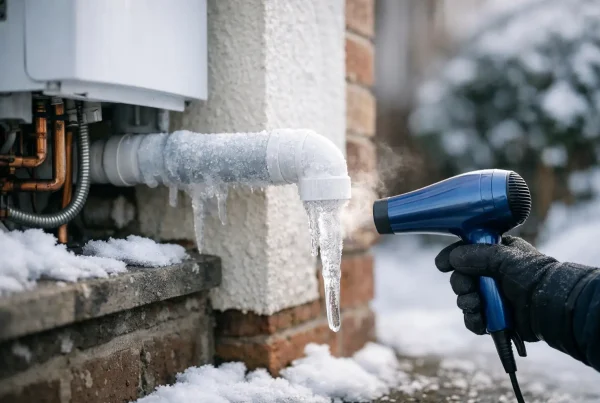
Condensing boilers produce acidic water called condensate, which drains away through a pipe. In cold weather, an external condensate pipe can freeze. When this happens, the boiler may lock out because the condensate cannot drain.
A frozen pipe is often more likely after a sharp overnight frost, especially where the pipe runs outside. Some homeowners can safely thaw an accessible external pipe using warm water, never boiling water. However, if you are unsure where the pipe is, cannot reach it safely or the boiler still will not reset afterwards, call an engineer. Repeated freezing may mean the pipework needs improving.
Flue or ventilation issues
The flue carries combustion gases safely outside. If it is blocked, damaged, incorrectly fitted or affected by an external obstruction, the boiler may shut down. A blocked flue can be dangerous because it can affect the safe removal of combustion products.
Do not inspect a flue from a roof, dismantle any part of it or cover vents in the room. Boilers installed in cupboards may also require clear ventilation around them, depending on the appliance and installation instructions. An engineer can inspect the flue route, terminals, seals and combustion readings safely.
Gas supply or gas valve faults
If other gas appliances are also not working, there could be an issue with the gas supply. Check whether your gas cooker or hob is operating as normal, but do not use this as a reason to delay action if you smell gas or suspect a leak.
Where the supply is fine, the fault may be inside the boiler. A failing gas valve, damaged wiring or control-board fault can prevent the burner from receiving the correct gas flow. These are not parts to guess at or replace without proper testing.
A dirty burner or overdue service
Boilers collect dust and debris over time, particularly around the burner, fan and heat exchanger. Poor combustion can cause unreliable ignition and flame loss. Annual servicing helps spot wear before it turns into a breakdown, while also checking that the boiler is operating safely and efficiently.
For landlords, an annual gas safety check is a legal requirement for relevant gas appliances and flues. It is also sensible to arrange servicing separately where needed, as a safety check and a full service are not always the same thing.
Safe checks you can make before calling
There are a few straightforward checks that do not involve opening the boiler or touching gas components. First, make sure the boiler has electrical power and that the fused spur has not been switched off. Check the display for a fault code, then note it down along with the boiler make and model.
Check the pressure gauge and the thermostat setting. If the room thermostat is set lower than the room temperature, the boiler may not be receiving a call for heat. If you use smart controls, check the batteries, schedule and connection before assuming the boiler itself has failed.
You can try one reset if the manufacturer’s instructions allow it. If the boiler fires and then stops again, or locks out repeatedly, stop resetting it. Repeated resets can mask an underlying fault and leave you without heating again at the worst possible time.
What an engineer will check
A Gas Safe engineer will start by checking the fault code, boiler history and visible condition of the installation. They can then test the gas supply and pressure, inspect the ignition and flame-detection components, check the condensate route and assess the flue.
Where necessary, they will carry out combustion analysis to make sure the boiler is burning fuel correctly and safely. This matters because a boiler can appear to be working while still operating poorly. The right repair depends on the actual test results, not just the symptom of a flame going out.
In some cases, replacing a small component is all that is needed. With an older boiler that has suffered repeated faults, parts may be expensive or difficult to source. A repair can still be the sensible choice, but an engineer should give you an honest view of the likely cost, reliability and whether replacement is better value.
Preventing another flame failure
A yearly boiler service is the best starting point, especially before winter. It gives an engineer the chance to inspect safety devices, clean appropriate components, check pressure and identify developing faults. Keep the area around the boiler clear, do not block external flue terminals, and make sure carbon monoxide alarms are fitted in suitable locations and tested regularly.
If you are in Leeds and your boiler will not stay alight, GasPlumb can diagnose the fault and carry out the repair with the right safety checks. A boiler that cuts out once may be recoverable. A boiler that keeps doing it is asking for attention – get it checked before it becomes a full breakdown.