
A radiator that is cold at the top but warm at the bottom usually has trapped air inside it. The good news is that learning how to bleed radiators safely is a straightforward job for many homeowners. The important part is taking your time, letting the system cool first and knowing when a small heating issue points to a bigger fault.
Bleeding can help restore even heat, reduce gurgling noises and stop you turning the thermostat up just to warm one chilly room. It will not fix every radiator problem, though. If the radiator is cold at the bottom, leaking, repeatedly filling with air or your boiler pressure keeps dropping, it is time to get the heating system checked properly.
Before You Bleed Radiators Safely
Do not start while the heating is running or when the radiators are hot. Hot water can come out of the bleed valve quickly and cause a scald. Turn the heating off at the controls and allow the radiators to cool completely. Depending on how recently the system has been on, this can take an hour or more.
You will need a radiator bleed key for most older-style radiators. Some newer radiators have a flat-headed bleed valve that can be turned with a screwdriver, but only use the correct tool and avoid forcing it. Keep a dry cloth or small towel underneath the valve, along with a small container if you have one. The water can be dirty, especially in an older central heating system, so protect carpets, painted walls and light-coloured furnishings.
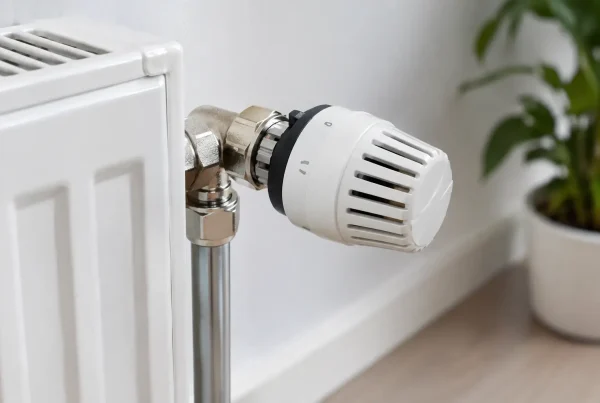
Find the small bleed valve at the top corner of the radiator. It is normally opposite the thermostatic radiator valve or manual control valve. Do not confuse it with the larger valves and pipe connections at the bottom of the radiator.
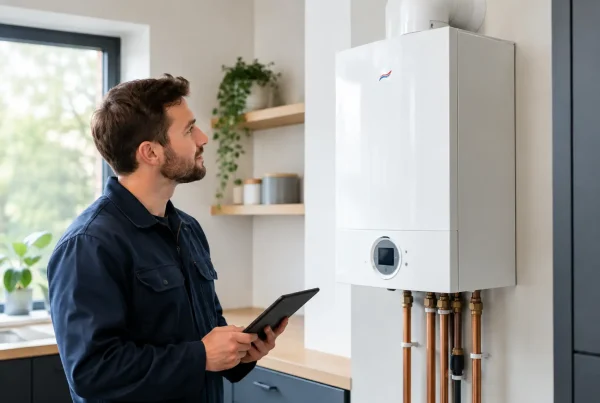
If you have a sealed heating system, commonly found with a combi boiler, take a quick look at the boiler pressure gauge before you begin. When the system is cold, many systems sit around 1 to 1.5 bar, although your boiler instructions take priority. You may need to top up the pressure slightly after bleeding several radiators.
How to Bleed Radiators Safely Step by Step
Start with the heating switched off and every radiator cool. If you are bleeding more than one radiator, work methodically through the house rather than opening valves at random. In many homes, starting on the lowest floor and with radiators furthest from the boiler is sensible. Pipework layouts vary, so the order is less important than completing the job carefully and checking the system afterwards.
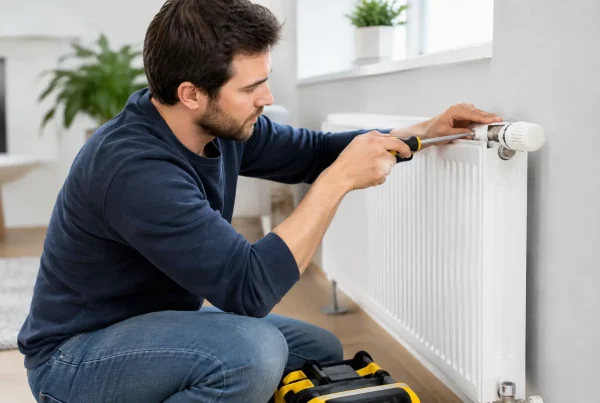
Place the bleed key onto the square valve and hold your cloth directly beneath it. Turn the key slowly anti-clockwise – usually no more than a quarter turn. You should hear a hiss as trapped air escapes.
Leave the valve open only until water begins to spit or flow steadily. As soon as this happens, turn the key clockwise to close the valve. It needs to be snug, not overtightened. An overtightened bleed screw can damage the valve or make it difficult to remove in future.
Wipe away any water and check that the valve is dry. Then move to the next radiator. If no air or water comes out, stop turning rather than applying more force. The valve could be blocked, seized or faulty, and forcing it can cause a leak.
Once you have finished, turn the heating back on and allow it to warm up. Check each radiator after 15 to 30 minutes. It should now heat more evenly from top to bottom. A slight temperature difference between the top and bottom can be normal, but a clearly cold top section suggests there is still air present.
Check the Boiler Pressure Afterwards
Bleeding releases a small amount of water as well as air, so the pressure in a sealed system can fall. Check the boiler gauge once the heating has settled. If it is below the recommended cold pressure, use the filling loop only if you know how your particular boiler works and have the manufacturer’s instructions.
Add water slowly, then close the filling loop securely. Do not keep topping the system up every few weeks. Repeated pressure loss can indicate a leak, an issue with the expansion vessel or a faulty pressure relief valve. These are jobs for a qualified heating engineer, not something to ignore until the boiler stops working.
If you have an older open-vented system with a feed and expansion tank in the loft, there may be no visible boiler pressure gauge. You can still bleed the radiators, but take care if the system has a history of overflowing tanks, poor circulation or noisy pipework.
When Bleeding Will Not Solve the Problem
Trapped air causes cold spots at the top of a radiator. Cold areas at the bottom are different. They often point to sludge and debris settling inside the radiator, which restricts water flow. Bleeding will not remove sludge, and opening the valve repeatedly can make no difference at all.
A radiator that is cold all over may have a stuck thermostatic radiator valve, a closed lockshield valve, poor system balancing or a circulation problem. If one room is always colder than the rest, the system may need balancing so each radiator receives the right share of hot water.
Pay attention to what comes out of the bleed valve. A small amount of dark water is common in older systems. However, persistent black water, heavy debris or a metallic smell can be a sign of corrosion within the system. A heating engineer may recommend cleaning the system, fitting or checking a magnetic filter, and adding inhibitor to protect the boiler and radiators.
Common Mistakes to Avoid
The most common mistake is opening the bleed valve when the radiator is still hot. It may seem quicker, but it creates an unnecessary burn risk and can leave you with hot, dirty water on the floor.
Another is opening the valve too far. You only need a small turn to release air. If the screw comes loose or the valve starts leaking around its threads, close it carefully and arrange a repair. Do not use excessive force, sealant or makeshift tools to stop a leak.
Avoid bleeding radiators every month simply because you think it is part of routine maintenance. A healthy, sealed heating system should not continually collect large amounts of air. If you have to bleed the same radiator regularly, there may be a leak, corrosion issue or fault drawing air into the system.
Finally, never remove a radiator, interfere with boiler components or take the boiler casing off to investigate pressure and circulation issues. Gas boilers and their internal safety controls must be handled by a Gas Safe registered engineer.
Signs You Need a Heating Engineer
Call for professional help if a bleed valve will not close, the radiator leaks after bleeding, boiler pressure drops repeatedly or the boiler displays a fault code. You should also arrange an inspection if radiators keep going cold, there are banging or kettling noises, or you have no heating and hot water after restarting the system.
For landlords, recurring heating faults should be dealt with promptly. A tenant should not be expected to diagnose a failing boiler or live with rooms that will not heat properly, particularly during colder weather.
A quick bleed is often enough to bring a radiator back to life. But when the same problem returns, getting it diagnosed early is usually cheaper and less disruptive than waiting for a complete breakdown. If your heating in Leeds is still uneven after bleeding, GasPlumb can check the radiator, boiler pressure and wider system before a minor fault turns into a cold house.