
A heating replacement is not just about getting the house warm again. It affects your hot water, monthly bills, available space and how much work is needed around the property. When weighing up a combi boiler versus heat pump, the right answer depends on the home you have now, not simply which option is newer.
For many Leeds homes, a modern combi boiler is the practical, straightforward replacement. For a well-insulated property with room for different equipment and a plan to reduce gas use, an air source heat pump can be a sensible long-term choice. Both can provide reliable heating when correctly designed and installed.
Combi boiler versus heat pump: the main difference
A combi boiler burns mains gas to provide central heating and hot water directly from the boiler. There is no separate hot water cylinder, which is why combis remain popular in flats, terraces and homes where cupboard space is limited. Turn on a hot tap and the boiler heats the water as it passes through.
An air source heat pump uses electricity to collect heat from the outside air and move it into your home. It does not create heat in the same way as a boiler. Instead, it works steadily over longer periods, usually sending lower-temperature water around radiators or underfloor heating. Most systems need an outdoor unit, an indoor cylinder for stored hot water and suitable space for pipework and controls.
That difference affects nearly every part of the decision: installation cost, the way the heating feels, hot water capacity and the changes your house may need.
When a combi boiler makes more sense
A combi boiler is often the best fit if your existing gas boiler has failed, you need a replacement without major disruption, or your property has limited space. It is also a strong option where the home is not yet well insulated or has small radiators designed for high water temperatures.
Modern condensing combi boilers are efficient when set up properly, particularly when the heating flow temperature is adjusted to suit the system. They can deliver hot water on demand, so there is no cylinder taking up an airing cupboard. For one-bathroom homes and smaller households, that convenience is hard to beat.
Installation is generally simpler where there is already a gas supply, flue, boiler position and compatible pipework. Replacing an old boiler with a new combi can normally involve far less alteration than changing to a heat pump system.
There are limits. A combi has a maximum hot-water flow rate, so running two powerful showers at the same time can reduce performance. Larger homes with several bathrooms may be better served by a system boiler and hot water cylinder rather than a combi. A boiler also leaves you dependent on gas, and its running costs move with gas prices.
When a heat pump could be the better choice
A heat pump is worth serious consideration if you are improving insulation, replacing radiators, renovating or building an extension. These are the moments when changes to the heating system can be planned properly rather than squeezed in during a breakdown.
Because a heat pump can produce several units of heat for each unit of electricity it uses, it can be economical to run when the system is designed well. The house must hold on to that heat. Good loft insulation, sound windows, reduced draughts and appropriately sized radiators all make a real difference.
Heat pumps are not only for new builds. They can work in older homes too, including many properties across Leeds, but the survey needs to be thorough. An installer should calculate the heat loss room by room, check radiator sizes and assess where the outdoor unit, cylinder and pipework will go. Simply fitting a heat pump in place of a boiler without doing this work is likely to lead to disappointment.
A heat pump normally provides hot water through a cylinder. This can be useful in a busy household because stored hot water can supply more than one outlet, depending on cylinder size and system design. However, you need the space, and the cylinder must be allowed time to reheat after heavy use.
Cost is more than the installation price
Heat pumps usually cost more to install than a like-for-like combi boiler replacement. The work may include a cylinder, larger radiators, upgrades to pipework, electrical work and insulation improvements. Financial support schemes may be available, but eligibility and amounts can change, so always check the current position before making plans.
A combi boiler is generally cheaper and quicker to install where the existing system is suitable. That lower upfront cost can matter when a boiler has broken down in winter and the household needs heating and hot water restored quickly.
Running costs are less clear-cut than many adverts suggest. Gas is usually cheaper per unit than electricity, but a heat pump uses electricity very efficiently. Its actual cost depends on the property’s heat loss, system temperature, electricity tariff, household habits and how well the installation has been commissioned. A poorly sized heat pump can be expensive to run. An oversized or badly adjusted boiler wastes energy too.
Do not make the decision from a headline figure alone. Ask for a clear breakdown of equipment, labour, alterations, controls, warranties and any work needed to get the house ready.
Space, noise and disruption at home
A combi boiler can often sit in a kitchen cupboard, utility area or loft, provided installation rules allow it. It needs a flue route and access for annual servicing, but no hot water cylinder. That makes it particularly useful where storage is already tight.
A heat pump needs more planning. The outdoor unit requires a suitable position with clear airflow and consideration for neighbours. While modern units are designed to operate quietly, they are not silent, so location matters. Indoors, you will usually need space for a cylinder and associated controls.
The installation can involve more disruption than a boiler swap, especially if radiators need changing. This is not necessarily a reason to rule it out, but it is a reason to plan the work around a renovation or a warmer period where possible.
Heating performance in cold weather
Both options can heat a home through a Leeds winter when correctly specified. A gas boiler produces high-temperature water quickly, which suits homes with conventional radiators and households used to turning heating on for shorter bursts.
Heat pumps work differently. They are most efficient at lower flow temperatures and tend to maintain a steadier indoor temperature rather than giving a rapid blast of heat. They still work in cold weather, but their efficiency reduces as outdoor temperatures fall. This is why radiator sizing, insulation and accurate heat-loss calculations are essential rather than optional.
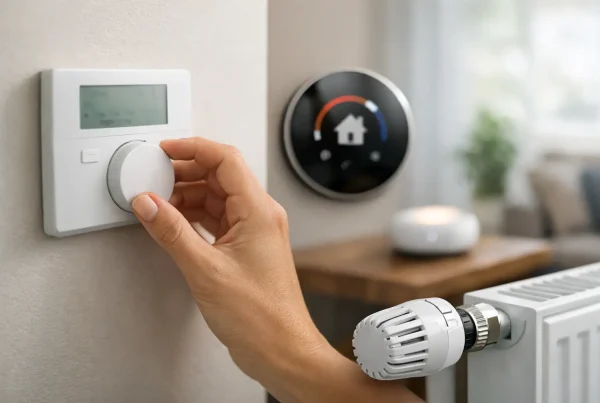
The controls matter as well. Smart controls can help either system, but they must suit how the equipment operates. A heat pump should not be controlled exactly like an old boiler system, as frequent stop-start operation can reduce efficiency.
Questions to ask before choosing
Before agreeing to either option, establish how much heat your property actually needs and whether the existing radiators can deliver it. Check your hot-water demand too: a couple in a two-bedroom terrace will have very different requirements from a family using two bathrooms every morning.
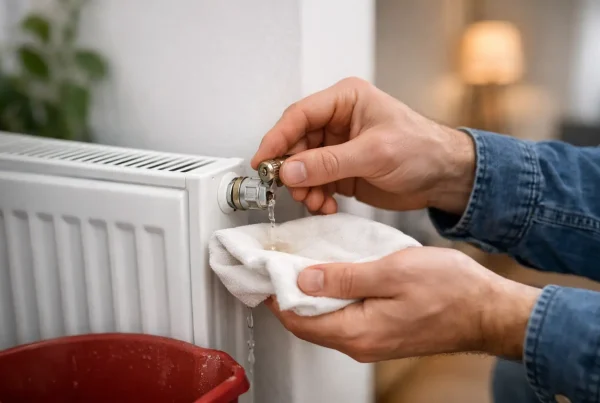
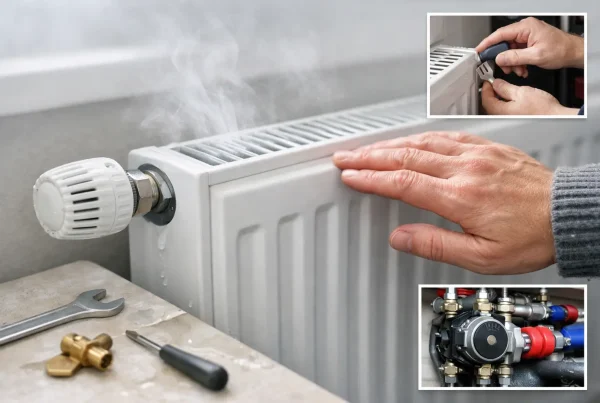
Also consider the condition of the current system. Old radiators, sludge in the pipework and poor controls can undermine a new boiler or heat pump. Cleaning, flushing, filtering and balancing the system are practical jobs that protect performance and help avoid future faults.
For landlords, reliability, tenant hot-water demand, installation disruption and ongoing compliance should all be part of the calculation. The cheapest installation is not always the least costly choice if it leads to callouts, complaints or early replacement.
Get the system assessed before replacing it
If you need a fast, cost-effective replacement and have limited space, a modern combi boiler is often the sensible choice. If your home is well insulated, you have room for a cylinder and outdoor unit, and you are prepared to invest in a properly designed system, a heat pump may offer a good route away from gas.
The key is not to force either solution into a house that does not suit it. A competent heating engineer can assess your current boiler, radiators, hot-water use and property layout before recommending the work. GasPlumb can provide practical advice for homeowners and landlords who need a dependable heating decision, whether that means repairing the existing system or planning a replacement.