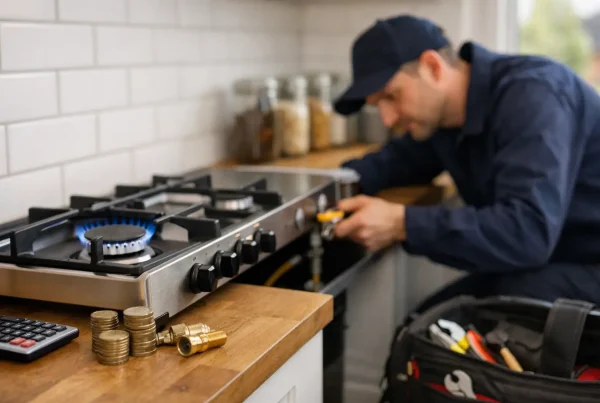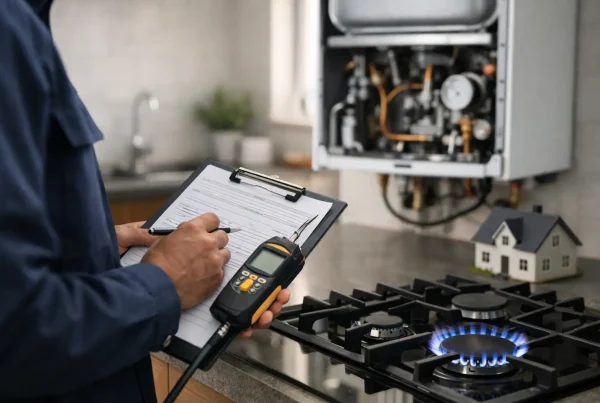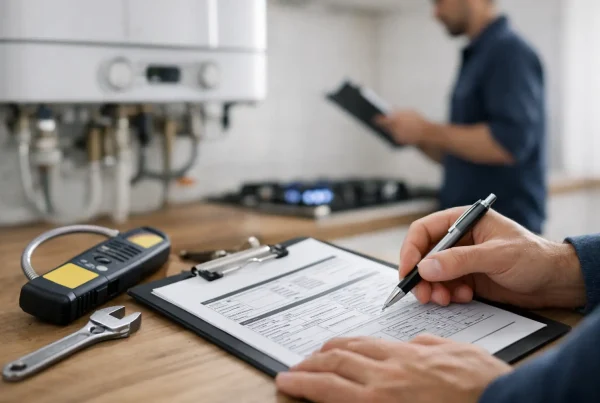

A gas safety certificate is not paperwork to chase at the last minute. For landlords, it is a legal duty that protects tenants, properties and your position if something goes wrong. Leeds landlord gas inspections should be booked early, carried out by a Gas Safe registered engineer and kept on a clear annual schedule.
When you have several properties, changing tenants or an older boiler to manage, it is easy for an expiry date to slip. The simplest approach is to treat the gas safety check as part of your regular property maintenance, alongside boiler servicing and any repairs picked up during the visit.
What a landlord gas inspection covers
A landlord gas safety inspection checks the gas appliances and flues you provide for tenants. This commonly includes the boiler, gas fire, cooker or hob, plus the related gas pipework and ventilation where relevant. The engineer is looking for faults that could put people at risk, including unsafe combustion, inadequate flue operation, gas leaks and poor appliance condition.
The engineer will test that appliances are operating safely, check that the flue is removing combustion gases correctly and make sure safety devices are working as they should. They will also look for visible signs of damage, poor installation or unsafe alterations. If an appliance is unsafe, it may need to be turned off and labelled to prevent use until it has been repaired or replaced.
At the end of a satisfactory inspection, you receive a Landlord Gas Safety Record. Many people still call this a CP12 or gas safety certificate. Whatever name you use, it is the record that shows the annual check has been completed.
A safety inspection is not the same as a full boiler service. A service goes further into cleaning, maintenance and performance checks that help keep the boiler efficient and reliable. In a well-run rental property, it often makes sense to arrange both at the same appointment. It saves another tenant visit and gives you a better chance of finding developing faults before they become a no-heating callout.
When is a gas safety certificate due?
Landlords must arrange a gas safety check every 12 months for relevant gas appliances and flues in rented homes. You must give new tenants a copy of the record before they move in. Existing tenants should receive their copy within 28 days of the check, and landlords need to keep records for at least two years.
Do not wait until the exact expiry day. You can usually arrange the next inspection in the 10 to 12 months before the current record runs out without losing your existing renewal date. That gives you useful breathing room if a tenant cannot make the first appointment or an appliance needs work before it can pass.
This matters most over busy periods. Autumn and winter bring more boiler breakdowns, more urgent repairs and less flexibility for appointments. Booking ahead means you are not trying to solve an expired certificate, a tenant access issue and a faulty boiler all at once.
Your responsibilities as a landlord
The legal responsibility sits with the landlord, even where a letting agent manages the property day to day. An agent can organise appointments and store records, but you should know when every certificate expires and make sure the work is actually completed.
Your duty generally covers gas appliances you own and provide for the tenancy. If a tenant brings their own gas appliance, such as a cooker, it is not normally part of your annual landlord inspection. However, the installation pipework and the overall condition of the property still need sensible attention. If there is any doubt over ownership or safety, ask a Gas Safe engineer to assess the situation rather than making assumptions.
Landlords are also responsible for arranging repairs when a supplied boiler, gas fire or cooker becomes unsafe. A certificate is not a guarantee that nothing will fail during the following year. It confirms the appliance was checked on that date. Tenants still need a clear route to report loss of heating, hot water problems, unusual smells, soot marks or any concern about a gas appliance.
Carbon monoxide alarms are another essential part of rental safety. In England, landlords must provide a carbon monoxide alarm in rooms with a fixed combustion appliance, excluding gas cookers. If a tenant tells you an alarm is not working, it needs to be repaired or replaced. It is good practice to check alarms during inspections, but tenants should test them routinely too.
Making access straightforward for tenants
A certificate cannot be issued without access to the property and appliances. Most tenants are happy to cooperate when they understand the visit is for their safety and will be handled efficiently. Give reasonable notice, offer a clear appointment window and explain whether the boiler, cooker or gas fire needs to be accessible.
Keep a record of every effort to arrange entry. This includes calls, texts, emails, letters and missed appointments. If a tenant repeatedly refuses access, you cannot simply ignore the deadline. You need to show that you have taken reasonable steps to meet your legal duty and continue trying to arrange the inspection through the proper route.
It is worth asking tenants to clear the area around the boiler before the engineer arrives. Boilers boxed into cupboards are common in Leeds rentals, but the engineer still needs safe working space. Removing stored coats, cleaning products and household items can avoid delays and makes it easier to spot leaks, corrosion or damage around the appliance.
Common issues found during gas inspections
Some faults are quick to put right. A loose boiler casing, an overdue service, a faulty seal or a ventilation issue may be dealt with during a planned visit, depending on the appliance and the parts required. Others need more urgent action, particularly where there is a risk from carbon monoxide, a gas leak or a failing flue.
Older boilers can create a difficult decision for landlords. Repairing a fault may be the sensible and lower-cost option when the boiler has been reliable and replacement parts are available. But repeated callouts, expensive components and poor efficiency can make replacement the better long-term choice. A new boiler is a larger upfront cost, but it can reduce disruption for tenants and help avoid a breakdown in the middle of winter.
Do not be tempted to use an unregistered tradesperson for gas work to save money. Only a Gas Safe registered engineer can legally carry out the inspection and issue the required record. A cheap job that leaves you without valid paperwork, or worse, leaves an appliance unsafe, is not a saving.
Keep your rental property on a simple schedule
The best compliance system is usually the least complicated one. Keep the certificate expiry date, boiler service history, repair records and tenant contact details together for each property. Set reminders well ahead of the renewal month, not just a few days before.
For landlords with one flat, a diary reminder may be enough. For a larger portfolio, a simple spreadsheet or property management system gives you a better view of upcoming checks. Include the appliance type and age as well as the certificate date. That makes it easier to budget for repairs or replacement before an old boiler becomes an emergency.
If an engineer identifies a problem, deal with it promptly and retain the repair invoice with the inspection record. It creates a useful history for your own planning and shows that you acted properly if questions arise later.
Booking Leeds landlord gas inspections
A planned inspection should be quick, clear and properly documented. Choose a local Gas Safe engineer who can carry out the check, explain any faults in plain language and deal with related boiler, heating or plumbing work if it is needed. That avoids the frustration of arranging several separate trades when a problem is found.
GasPlumb provides landlord gas safety checks across Leeds, with practical support for certificates, boiler servicing, repairs and urgent gas or heating faults. Booking before your renewal date gives you time to deal with any issue properly, keep your tenant informed and keep the property safe without last-minute pressure.
A well-maintained gas system is one less uncertainty in a rental property. Put the next inspection in the diary now, and you are far less likely to face a compliance problem when the heating is needed most.