Cold spots in the morning, heating running when nobody is home, and a boiler that seems to come on at odd times – these are usually signs your controls are letting you down rather than your whole system. Smart thermostat installation Leeds homeowners choose most often is not about adding a flashy gadget. It is about getting better control of the heating you already pay for.
A smart thermostat gives you a simpler way to manage temperature, timings and day-to-day use. For some homes, it can help cut waste. For others, the main benefit is comfort – steady heating, fewer manual adjustments and less guesswork. The key is having it fitted properly and matched to the heating system in the first place.
Is smart thermostat installation in Leeds worth it?
For many households, yes – but it depends on how you use your heating now. If your current programmer is old, awkward or often left on the wrong setting, smart controls can make a noticeable difference. You can adjust the heating from your mobile phone, set schedules that suit your routine, and in many cases heat the house more efficiently.
That said, a smart thermostat is not a magic fix for every heating problem. If radiators are cold, the boiler keeps locking out, pressure drops regularly or the system is poorly balanced, the control itself will not solve that. A good installer should tell you plainly whether the problem is the controls, the boiler, or the wider heating system.
In practical terms, smart controls tend to suit busy households, landlords wanting straightforward heating management, and anyone replacing dated timers or room thermostats. They can also be a sensible add-on when you are already having boiler work done, as installation is often more straightforward at the same time.
What a smart thermostat actually does
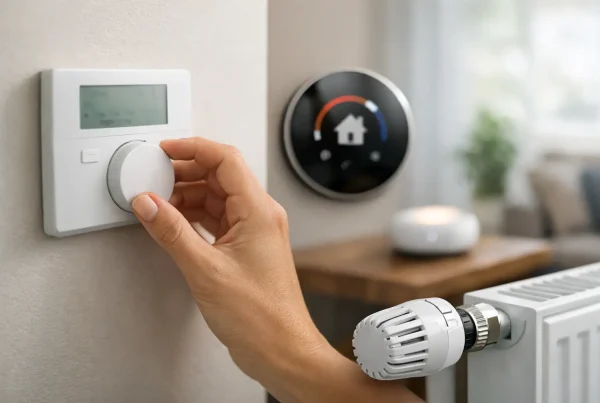
At its simplest, a smart thermostat replaces or upgrades your existing heating controls. Instead of relying on a basic dial on the wall or an old programmer near the boiler, you get more accurate temperature control and easier scheduling.
Most systems let you set heating times through an app, change the target temperature remotely and switch the heating on or off without standing in front of the boiler cupboard. Some models can learn your routine over time. Others offer geolocation, open-window alerts or hot water control, depending on the setup.
What matters more than the extra features is whether the system is right for your home. A family house with a combi boiler may need something different from a rented terrace with a conventional boiler and hot water cylinder. Compatibility comes first. Fancy features come after that.
Smart thermostat installation Leeds homes need to get right
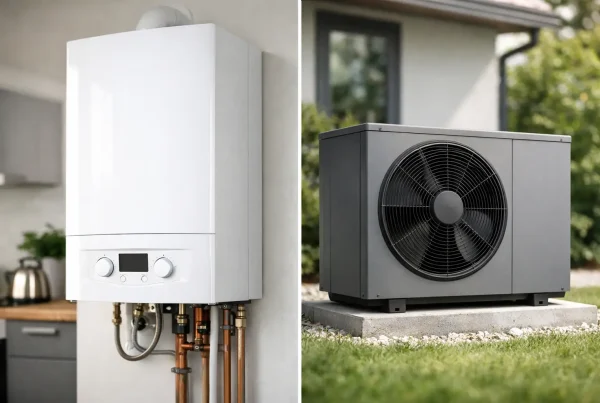
A proper installation starts with checking the heating system, not just choosing a thermostat brand. Boilers, wiring centres, zone valves, hot water cylinders and existing programmers all affect what can be fitted and how long it will take.
In some homes, replacing an old wired room stat with a smart model is a fairly tidy job. In others, especially where the old controls are poorly labelled or have been altered over the years, it takes more investigation. That is why installation should never be treated as a one-size-fits-all job.
A good engineer will check whether your system is combi, regular or system boiler based. They will look at where the receiver should go, whether the existing thermostat position is sensible, and if your current controls are actually working as they should. If the heating has other faults, those need flagging before anyone promises a smart thermostat will fix things.
Common compatibility issues
This is where many homeowners get caught out. They buy a thermostat first, then find out it does not suit the boiler setup or needs extra electrical work.
Older boilers can often work with modern controls, but not always in the way people expect. Some support only basic on-off control. Others can use more advanced modulation, which can improve efficiency and boiler performance. If you pick the wrong setup, you may still get heating control, but not the full benefit.
Conventional systems with separate hot water controls can be more involved than combi boiler installations. Multi-zone properties also need careful planning. If upstairs and downstairs are controlled separately, the thermostat needs to be chosen and wired with that in mind.
Then there is the wireless signal. Thick internal walls, cupboards and poor receiver placement can affect performance. This is not usually a deal breaker, but it is another reason installation should be planned properly rather than rushed.
Should you fit one yourself?
Some smart thermostat kits are marketed as DIY friendly, and technically that may be true in a small number of cases. But heating controls connect into the boiler and the wider heating system, and mistakes can leave you with no heating, no hot water or an unsafe setup.
If the installation involves boiler wiring, electrical connections or changes to existing controls, it is usually best left to a qualified engineer. This is especially true if there is any doubt over the system layout, if the boiler manual is missing, or if the current controls already behave unpredictably.
For landlords, there is another practical point. If heating controls are installed badly and a tenant cannot use the system properly, you create avoidable call-backs and complaints. Paying for the job to be done properly often saves time and hassle later.
What happens during installation?
In most homes, the process is straightforward when the system has been checked first. The old controller or thermostat is removed or bypassed, the new receiver is wired in, and the thermostat is paired and tested. The engineer should then run through the settings with you so you know how to use it in real life, not just switch it on once.
That last part matters. A smart thermostat only helps if it is set up in a way that suits your routine. If the app is connected but the schedule is wrong, you can still end up overheating the house or running the boiler at pointless times.
A decent handover should include showing you how to alter the programme, boost the heating, change the temperature and override settings if plans change. It should also be made clear what the thermostat can and cannot do with your specific boiler and system.
How much does it cost?
The total cost depends on the thermostat you choose and how simple the installation is. The thermostat itself can vary quite a bit in price depending on the brand and features. Fitting costs depend on whether it is a like-for-like control upgrade or a more involved job with extra wiring or system changes.
If your boiler installation is being replaced or upgraded at the same time, adding smart controls may be better value than doing it separately later. Some heating companies also include wireless thermostats as part of boiler package deals, which can make sense if your current setup is due for a wider update.
The cheapest option is not always the best one. If a budget thermostat is awkward to use or poorly matched to the system, it can become another thing in the house that nobody really trusts. Reliable controls, fitted properly, are what count.
Choosing the right setup for your home
There is no single best thermostat for every property. The right choice depends on the boiler, the size of the home, whether you want hot water control, and how much day-to-day control you actually need.
Some customers want simple app-based heating control and little else. Others want room-by-room zoning, especially in larger homes or properties with extensions. That second option can work well, but it costs more and takes more planning. If your main issue is just replacing clumsy old controls, a straightforward smart thermostat may be all you need.
This is where local, practical advice matters. A reliable installer should not upsell features that add cost without solving a real problem. If a standard smart thermostat will do the job, that should be said clearly.
When it makes sense to upgrade now
If your current thermostat is unreliable, your programmer is outdated, or you are already booking boiler work, this is usually the right time to sort the controls. It also makes sense if your heating bills feel high for the comfort you are getting, or if you regularly forget to adjust the schedule when your routine changes.
For landlords, upgraded controls can also help reduce misuse and make heating systems easier for tenants to understand. For homeowners, the biggest gain is often convenience. Better control means fewer wasted heating hours and fewer daily frustrations.
GasPlumb sees this in plenty of homes – the boiler itself is capable enough, but the controls are old, awkward or simply not working as they should. Replacing them can make the whole system feel more usable again.
If you are considering smart thermostat installation, the best next step is not guessing which box to buy online. It is having the heating setup checked properly, so you can fit the right control once and know it will work when you need it most.