
That faint smell of petrol is not something to second-guess. If you think you need petrol leak repair Leeds homeowners can rely on, the priority is simple – act quickly, stay calm and get the right engineer involved. Petrol leaks are a safety issue first and a repair job second.
A lot of people hesitate because they are not sure whether it is really petrol, whether it can wait until morning, or whether they are overreacting. This is one of those situations where caution is the right call. If something smells wrong, sounds wrong or suddenly stops working properly, treat it seriously.
When a petrol leak needs immediate action
A petrol leak does not always announce itself dramatically. Sometimes the warning is obvious, such as the smell of petrol near a boiler, cooker or meter. Sometimes it is less clear – a hissing sound by pipework, pilot lights that keep going out, or a sudden issue with an appliance that had been working normally.
If you suspect a leak, open doors and windows, avoid using electrical switches, do not light matches or cigarettes, and turn off the petrol supply if it is safe to do so. After that, the next step is to get professional help from a Petrol Safe registered engineer. Waiting to see if the smell clears is not a sensible plan.
For landlords, the decision is even more straightforward. A possible petrol leak in a rented property needs dealing with without delay. Safety comes first, and so do your legal responsibilities.
Common signs you may need petrol leak repair in Leeds
The smell is the sign most people know, and rightly so. Mains petrol has an odour added to it so leaks are easier to detect. If you notice a sulphur-like smell indoors, especially around a boiler, petrol hob, cooker or exposed pipework, do not ignore it.
There are other clues as well. You might hear a faint hissing noise near a petrol appliance or pipe. Your boiler may cut out unexpectedly. A petrol hob might burn unevenly, struggle to ignite or behave differently from normal. In some cases, people simply have a strong sense that something is not right because the system is behaving oddly.
What matters is not making your own diagnosis beyond that point. The exact cause could be a damaged connection, ageing pipework, a faulty appliance valve or a problem around the meter. The repair depends on the source, and that needs proper testing.
Why quick repair matters
The first reason is safety. Petrol leaks can create a risk of fire or explosion, and they can also expose occupants to harmful fumes depending on the situation and the appliance involved. That is why petrol work is tightly regulated and why only qualified engineers should carry it out.
The second reason is that small leaks do not stay small forever. A minor issue at a joint or connection can get worse with time, vibration or continued use. What might have been a straightforward repair can become a larger fault if left alone.
There is also the practical side. If your petrol supply is affected, you may lose heating, hot water or cooking facilities at the worst possible time. Fast action protects both safety and comfort.
What a Petrol Safe engineer will actually do
People often assume petrol leak repairs are all the same. They are not. The right repair depends on where the leak is, what equipment is involved and whether the issue is isolated or part of a wider problem.
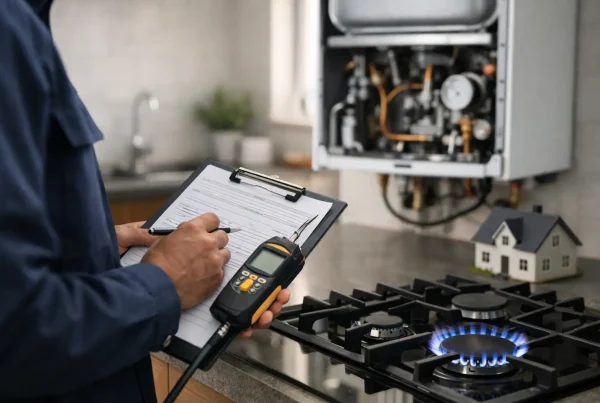
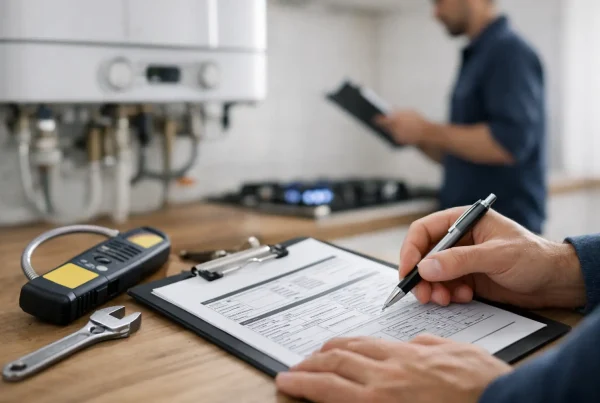
A proper visit starts with testing and fault finding. The engineer will check the installation, identify whether there is a leak, narrow down the location and assess any immediate risks. Once the source is confirmed, the repair may involve tightening or remaking a joint, replacing a faulty valve, repairing pipework, isolating an unsafe appliance or advising that a damaged appliance should not be used until further work is completed.
This is where experience matters. Petrol faults are not just about fixing the obvious issue. A good engineer will also look at the condition of the surrounding system, whether the appliance is safe to continue using and whether there are signs of wear that could cause further trouble.
Petrol leak repair Leeds homes often need around boilers and cookers
Most domestic callouts involve familiar areas of the home. Boilers are a common source because they contain multiple petrol-carrying components, connections and controls. If a boiler has not been serviced properly, wear and tear can go unnoticed until a fault develops.
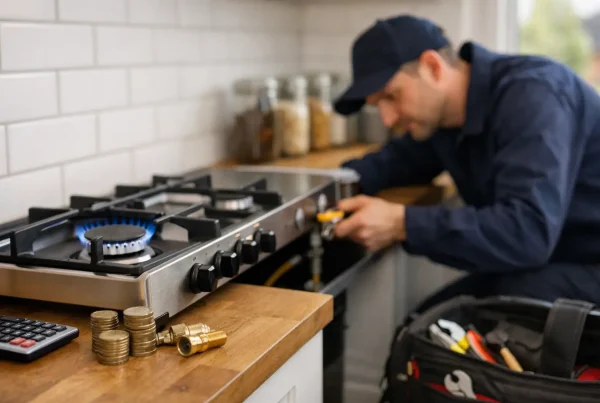
Cookers and hobs are another regular issue. Leaks can happen around bayonet fittings, pipe connections or the appliance itself, especially after an installation, a move, or an attempt to disconnect and reconnect something without the right checks.
Pipework is another possibility, particularly in older properties. Not every leak comes from the appliance. Sometimes the problem sits in the supply line running to it. That is one reason a full check is worth more than a quick guess.
Should you turn the petrol off yourself?
If you know where the emergency control valve is and it is safe to reach, turning the petrol off can be a sensible step. If getting to it means leaning over a suspected leak, going into a confined space or taking risks, leave it alone and get professional advice.
Many homeowners are unsure where the shut-off valve is until something goes wrong. That is normal. The main thing is not to waste time hunting around while ignoring the smell. Ventilate the area, get people out if needed and call for help.
How landlords should handle a suspected leak
For landlords and property managers, speed matters for both safety and compliance. If a tenant reports a petrol smell, appliance fault or hissing noise, treat it as urgent. Do not assume it is user error or something that can wait for a routine visit.
A suspected leak needs immediate attention from a qualified engineer, and any unsafe appliance should remain out of use until it has been checked and confirmed safe. Keeping on top of annual petrol safety checks helps reduce the risk of faults being missed, but it does not remove the need to respond quickly when a problem is reported.
The value of using a local engineer
When you are dealing with a petrol issue, you do not want to spend half the day chasing callbacks or waiting for someone who covers too wide an area. A local firm can usually respond more quickly, especially for urgent domestic problems where heating, hot water or cooking has been affected.
There is also value in using an engineer who handles more than one part of the job. Petrol leaks can sit alongside boiler faults, heating issues or plumbing work, and it is often easier when one company can assess the wider picture rather than passing you between trades.
That practical, all-in-one approach is why many householders prefer a local provider such as PetrolPlumb for emergency callouts and follow-on repairs.
Can a petrol leak be prevented?
Not every problem is preventable, but many are. Regular boiler servicing helps catch wear before it turns into a fault. Proper installation matters too, especially for cookers, hobs and replacement boilers. DIY petrol work is never worth the risk.
It also helps to pay attention to changes in how your appliances behave. If a boiler starts locking out, a hob flame looks uneven, or something smells different near a meter cupboard or appliance connection, act on it early. Calling before a minor concern becomes an emergency is usually cheaper and far less stressful.
Choosing the right help for petrol leak repair Leeds residents can trust
The basic rule is simple. Use a Petrol Safe registered engineer, make sure the issue is treated urgently, and choose someone who communicates clearly about what they have found and what needs doing next.
Price matters, but this is not the job to choose on price alone. A rushed visit or poor diagnosis can leave you with the same problem returning, or worse, a property that still is not safe. What you want is a reliable response, proper testing and a repair that solves the issue rather than masking it.
If you suspect a petrol leak, trust your instincts and act quickly. The right response in the first few minutes makes a real difference, and getting it checked properly is always the safer call.