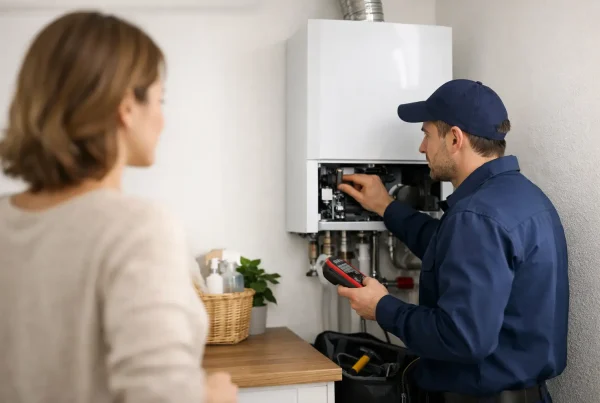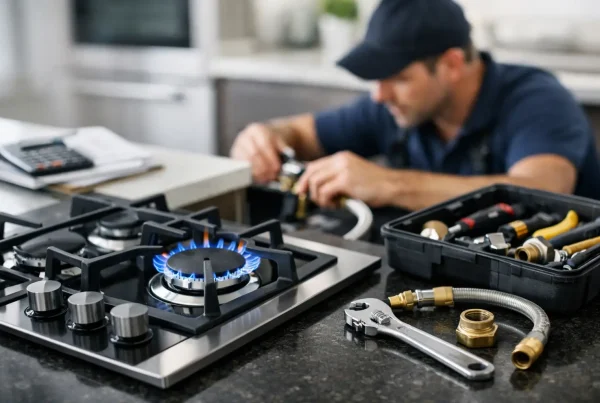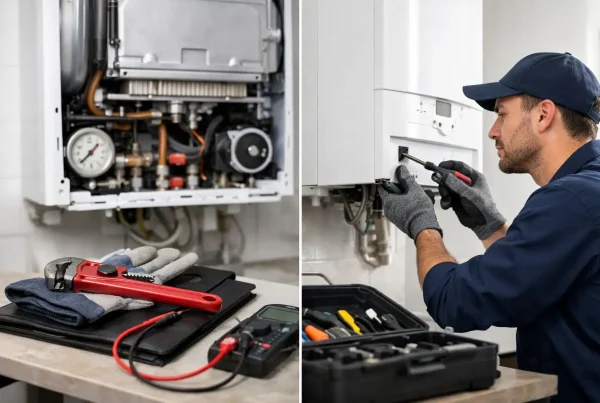

If your boiler is on its last legs, the first question is usually the blunt one – what is the combi boiler installation cost, and what exactly are you paying for? Fair question. Prices can vary a lot, and the gap between a straightforward swap and a more involved job can be bigger than most people expect.
For most homes, a new combi boiler installation will often land somewhere between £2,000 and £4,500. That is a useful starting point, but it is not a fixed price. The final figure depends on the boiler you choose, how easy the old system is to remove, whether the pipework needs changing, and how much work is needed to make the whole system safe and reliable.
What affects combi boiler installation cost?
The biggest factor in combi boiler installation cost is the type of job. A like-for-like combi swap is usually the most affordable option because the basic setup is already there. If your old combi is being removed and replaced with a new one in the same position, the work is often quicker, with fewer materials and fewer surprises.
A conversion from a regular or system boiler to a combi is different. That usually means removing the hot water cylinder and tanks, altering pipe runs, changing controls and sometimes upgrading parts of the heating system. It is a bigger job, so the cost is higher.
Boiler brand and output also matter. A smaller combi for a flat or compact terrace will usually cost less than a larger model designed to cope with two bathrooms and a busy family home. Paying for more output than you need is not always good value, but going too small can leave you with poor hot water performance. This is where a proper quote matters – it should be based on your property and usage, not guesswork.
Labour is another part of the price. A clean, accessible installation is one thing. A boiler tucked into an awkward cupboard, old pipework that needs correcting, or flue work that needs re-routing will add time and cost. If the installer finds faults in the gas supply, condensate route or heating controls, those issues may need sorting before the new boiler can be commissioned.
Typical combi boiler installation cost by job type
For a straightforward combi-to-combi replacement, you might expect to pay around £2,000 to £3,000, depending on the boiler and the controls included. That kind of job is usually the most cost-effective because the system already suits a combi setup.
If you are replacing a regular boiler and converting to a combi, the price often starts around £2,800 and can go beyond £4,500. The reason is simple – there is more to remove, more to alter and more time on site. In some homes, that extra spend is worth it because it frees up airing cupboard space and removes old tanks from the loft.
A system boiler to combi conversion can sit in a similar range. Again, it depends on the property, hot water demand and the condition of the existing heating system. Some homes are good candidates for a combi conversion. Others are better off staying with a system boiler, especially where there are multiple bathrooms used at the same time.
That is why the cheapest quote is not always the best one. If the quote ignores flushing, filter fitting, controls or necessary upgrades, the price may look tidy at first and then climb later.
What should be included in the price?
A proper installation quote should cover more than just the boiler itself. It should include the boiler, flue, controls, labour, commissioning and registration. It should also make clear whether a magnetic filter is included, whether the system will be flushed, and whether old equipment will be removed and taken away.
Controls are worth checking carefully. If your new boiler is being fitted with a wireless room thermostat or smarter heating controls, that changes the price, but it can also improve efficiency and make the system easier to manage. In many homes, better controls are one of the simplest ways to reduce wasted heating.
You should also ask about warranty length and who is registering it. A longer manufacturer warranty can add value, but only if the boiler is installed properly and the servicing requirements are followed.
Why one house costs more than another
No two installations are exactly the same. A newer property with tidy pipework and good access is usually simpler than an older house with dated controls, awkward routing and years of patch-up work behind the scenes.
Water pressure and flow rate also come into play. A combi boiler heats water on demand, so if the incoming mains supply is poor, fitting a combi may not deliver the result you want. In that case, a good engineer should say so. There is no point fitting a boiler that looks right on paper but leaves you disappointed every morning.
The condition of the radiators and pipework can also influence cost. If the system is full of sludge, a chemical flush or more thorough clean may be recommended. That adds to the installation cost, but it protects the new boiler and helps it run properly from day one.
How to keep combi boiler installation cost under control
The best way to keep combi boiler installation cost sensible is to get a clear survey and a detailed quote before work starts. Not a vague number over the phone. A proper look at the existing setup often prevents misunderstandings and keeps the job on track.
It also helps to be honest about what you need from the boiler. If you live in a one-bathroom home and your demand is fairly normal, you may not need the largest model on the market. On the other hand, if the household is busy and everyone wants hot water at once, going too cheap can backfire.
Ask what is included and what could trigger extra charges. Pipe alterations, moving the boiler, condensate changes and flue extensions are all common reasons a price can shift. A straightforward installer will tell you this up front.
There is also value in choosing an engineer who can deal with the whole job properly. Gas Safe installation, system checks, controls, pipework and aftercare all need handling well. Splitting jobs between different trades can create delays and finger-pointing if something is not right.
Is a combi boiler always the right choice?
Not always. Combi boilers are popular because they are compact, efficient and do not need a separate hot water cylinder. For many homes, that makes perfect sense. They are especially useful where space is tight and hot water demand is moderate.
But there are trade-offs. In larger properties with several bathrooms, a combi may struggle if two or three taps or showers are running together. In that case, a system boiler may be a better fit. A decent installer should explain the options rather than push one answer for every house.
This matters because the wrong boiler can cost you more in the long run. A cheaper installation that does not suit the home is not a saving.
Getting value, not just a low price
When customers compare quotes, it is easy to focus only on the headline number. That is understandable, especially when a boiler has failed and the job feels urgent. But value is about more than the cheapest figure.
A well-installed boiler should run efficiently, heat the home properly and give you dependable hot water without constant call-backs. If the system is cleaned, set up correctly and fitted with the right controls, you are more likely to get that result. If corners are cut, problems often show up later.
For homeowners and landlords, reliability matters as much as price. Breakdowns are disruptive at the best of times, and they are even more of a problem in winter or in tenanted property. Paying for the job to be done properly usually works out better than paying twice.
In Leeds and the surrounding area, the right installer will talk plainly, assess the property properly and give you a quote that reflects the real job. That is what keeps the cost fair and the result dependable.
If you are weighing up a new boiler, think beyond the sticker price. The best starting point is a clear assessment of your home, your hot water demand and the condition of the existing system. That way, you are not just buying a boiler – you are getting heating and hot water you can rely on when you need it most.