
When your boiler stops working, the problem is never just the boiler. It is the cold house, the lack of hot water, the worry about the bill and the question running through your head – what if I can’t afford boiler repair right now?
That situation is more common than people think. Boilers rarely break down at a convenient time, and for many households the cost lands right in the middle of rent, mortgage payments, food shopping and everything else. The good news is that a fault does not always mean a huge repair bill, and rushing into the wrong decision can cost more than taking a calm, practical approach.
If you can’t afford boiler repair, start with the basics
Before assuming the worst, check the simple things first. A boiler fault can sometimes be caused by low pressure, a tripped fuse, a thermostat issue or frozen condensate pipework in cold weather. These are the kinds of problems that can look serious when your heating has stopped, but they are not always expensive to put right.
Look at the pressure gauge. If it has dropped too low, your boiler may lock out. Check whether your room thermostat is calling for heat and whether the programmer settings are correct. If the boiler has an error code, make a note of it. That saves time when you speak to an engineer and can help narrow down whether you are facing a minor fix or something more involved.
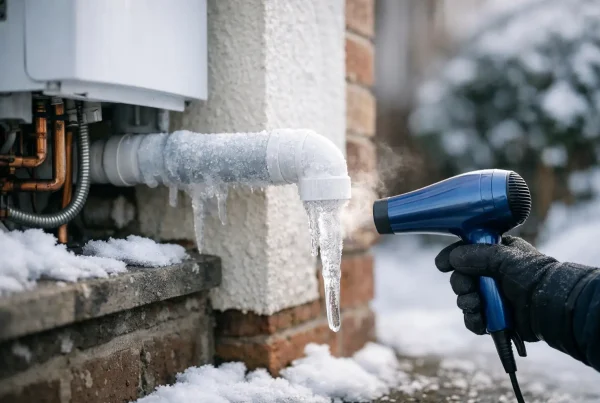
If you feel confident, you can also check whether the condensate pipe outside has frozen during a cold snap. Beyond basic user checks, stop there. Boilers are petrol appliances and anything more than the obvious should be left to a Petrol Safe engineer.
Don’t ignore safety to avoid the cost
When money is tight, it is tempting to put the problem off and hope the boiler limps on. That can work for a day or two with some faults, but it can also turn a repair into a bigger repair.
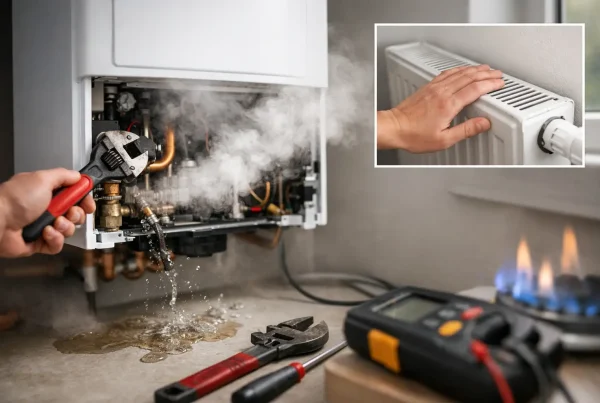
A noisy boiler, repeated pressure loss, water leaks, a pilot light that keeps going out or radiators that are no longer heating properly are all signs that something needs attention. If you notice unusual smells, signs of scorching, or symptoms that make you worry about petrol safety, stop using the appliance and get it checked. Trying to save money by delaying a dangerous fault is not a saving.
There is also a middle ground here. Not every problem is an emergency, but some faults become more expensive because they were left too long. A small leak can damage components. Sludge in the system can strain the boiler. Poor servicing history often shows up as repeat breakdowns.
What a repair usually costs depends on the fault
One reason people panic is that they expect the worst number they have ever heard. In reality, boiler repair costs vary a lot. Repressurising, replacing a simple valve, sorting an ignition fault or fixing controls is very different from changing a heat exchanger or dealing with multiple worn components in an older boiler.
The age and make of the boiler matter too. Some parts are still straightforward to source. Others are expensive, delayed or no longer available. Labour can also vary depending on whether the issue is obvious on arrival or whether the engineer needs more time to diagnose an intermittent fault.
That is why a proper diagnosis matters. If you cannot afford boiler repair, the first step is not to guess the bill. It is to find out what has actually failed.
Ask for the most cost-effective option, not just the fastest one
A good engineer should be able to explain the options in plain English. That matters when money is tight. Sometimes the best answer is a straightforward repair because the boiler is otherwise in decent condition. Sometimes the cheapest repair today is poor value if the appliance is old, unreliable and likely to fail again soon.
Be clear about your budget from the start. There is nothing awkward about saying you need the most affordable safe option. In many cases, that leads to a more honest conversation about whether a repair makes sense, whether a temporary measure is possible, or whether you are better putting money towards replacement instead.
This is particularly true with older boilers. If a major part has gone on a boiler that is already near the end of its life, spending heavily on repair can feel like throwing good money after bad. On the other hand, if the boiler is fairly modern and the fault is isolated, a repair may be the sensible route.
When replacement is cheaper than another repair
Nobody wants to hear that a new boiler may be the better option when they are already worried about cost. Even so, there are times when it is the more practical financial decision.
If your boiler breaks down regularly, parts are becoming difficult to get, efficiency is poor and your energy bills are high, replacement can make more sense than another expensive callout. The upfront cost is higher, but the long-term picture can be better. You reduce the risk of repeat breakdowns, improve efficiency and often gain better control over heating with updated controls.
That said, replacement is not automatically the right answer. A boiler that is ten years old is not necessarily finished. A newer boiler with one failed part should not be written off. The right decision depends on the fault, the condition of the system and how much more life you can reasonably expect.
Ways to keep the cost down safely
If the issue does need professional repair, there are still sensible ways to limit the damage to your budget.
First, avoid DIY fixes on petrol components. A cheap online part and a guess can become a costly mistake. It can also be dangerous. Paying for the correct diagnosis first often saves money overall.
Second, deal with the problem early. A boiler that is making odd noises or losing pressure is telling you something. Calling before it fully breaks down gives you more options and may prevent extra parts from being damaged.
Third, think beyond the boiler itself. Sometimes the apparent boiler problem is linked to system pressure, air in the radiators, a faulty thermostat, pump issues or sludge in the heating circuit. A thorough engineer will look at the whole setup, not just the box on the wall.
Finally, ask whether the repair is worth doing in the context of the appliance age and service history. A straight answer helps you spend wisely.
If you are a landlord, delay can cost more
For landlords, boiler trouble is not just inconvenient. It affects tenants, legal responsibilities and the condition of the property. If heating and hot water are down, waiting too long can lead to complaints, void risks and bigger repair costs later.
It is worth treating any boiler fault as a property management issue, not just a maintenance bill. A quick diagnosis helps you decide whether to repair, replace or plan wider heating upgrades. It also shows tenants that the issue is being handled properly.
The best question is not “how cheap is this repair?”
The better question is “what gets my heating and hot water back safely without wasting money?” Those are not always the same thing.
The cheapest short-term fix can be poor value if it does not last. The more expensive option can be the right one if it prevents repeat faults and constant disruption. Good advice should be practical, not pushy. You need to know what has failed, what it will cost, how urgent it is and whether the repair is likely to hold up.
That is the point where a trusted local engineer earns their keep. Not by baffling you with technical talk, but by giving you a clear assessment and a sensible next step.
If you can’t afford boiler repair, get clarity quickly
If you cannot afford to get it wrong, do not wait around guessing. Get the boiler checked, find out the fault and ask for a realistic view of repair versus replacement. In Leeds, PetrolPlumb deals with this sort of problem every day, and the right advice usually starts with a proper diagnosis rather than a rushed decision.
A broken boiler feels urgent because it is urgent. But urgency does not mean panic. It means dealing with the problem safely, understanding your options and choosing the fix that makes sense for your home, your budget and the condition of the system.
If the house is cold and the numbers are worrying you, start with the basics, get clear answers and take the next step from there. That usually saves more money than hoping the problem disappears.