
You notice the pressure gauge has dropped again, the heating is patchy, and the boiler keeps needing a top-up. If your boiler is losing pressure, it is not something to ignore. Sometimes the fix is simple. Sometimes it points to a fault that will keep coming back until it is repaired properly.
Most sealed heating systems need the pressure to sit in a normal operating range, usually around 1 to 1.5 bar when cold, though this can vary slightly by boiler model. If it keeps falling below that, your boiler may lock out or struggle to heat your radiators and hot water properly. Topping it up every now and then might get you going again, but it does not deal with the reason the pressure is dropping in the first place.
Why a boiler losing pressure matters
Low pressure is often the first sign that water is escaping somewhere from the sealed system. That could be from a visible leak, a safety valve letting water out, or a component inside the boiler that is no longer holding pressure as it should. The trouble is that small faults have a habit of becoming expensive ones if they are left alone.
For homeowners, that usually means unreliable heating, higher stress, and the risk of a complete breakdown at the wrong time. For landlords, it can also mean unhappy tenants and avoidable repair costs if a minor issue turns into a major one. The earlier the cause is found, the easier it usually is to put right.
The most common causes of a boiler losing pressure
A leak on the heating system is one of the most common reasons. This could be from a radiator valve, a pipe joint, a bleed point, or pipework hidden under floors. Not every leak leaves an obvious puddle. Slow leaks can dry before you see them, especially around hot pipework, so the only clue may be the pressure gauge dropping over time.
Another regular cause is a problem with the pressure relief valve. This valve is there for safety. If the system pressure gets too high, it opens to release water. Once it has lifted, it does not always seal perfectly again. That can leave a constant slow loss of water through the discharge pipe outside.
The expansion vessel is another likely suspect. In simple terms, it helps the boiler cope with changes in pressure as the water heats up and cools down. If the vessel loses its air charge or fails, the pressure can rise too much when the heating is on and then fall too low when it cools. That pattern often leads to repeated topping up.
Bleeding radiators can also lower the pressure. If you have recently let air out of several radiators, the system may simply need repressurising once. That is normal. What is not normal is having to do it week after week.
There are also cases where the issue sits inside the boiler itself. A faulty heat exchanger, automatic air vent, pump seal or other internal component can all play a part. At that stage, guessing is rarely worth it. Proper diagnosis saves time and repeat callouts.
What you can safely check at home
There are a few sensible checks you can make before calling an engineer. Start with the pressure gauge when the boiler is cold. If it is well below the normal range, that confirms low system pressure rather than a faulty room thermostat or timer issue.
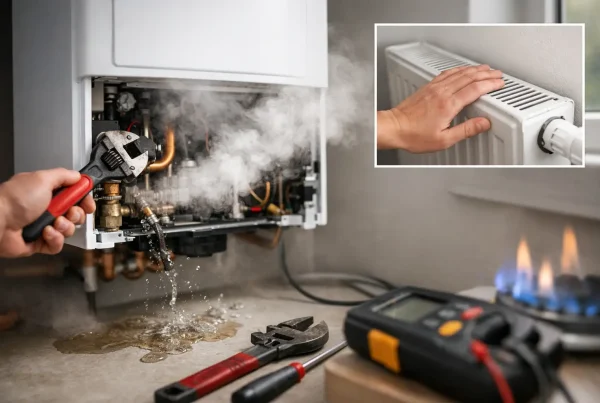
Next, look around radiators, valves and visible pipework for signs of weeping joints, staining, corrosion or damp patches. Check underneath the boiler too, but do not remove the case. If you can see water marks or drips around accessible pipe connections, that is useful information to pass on.
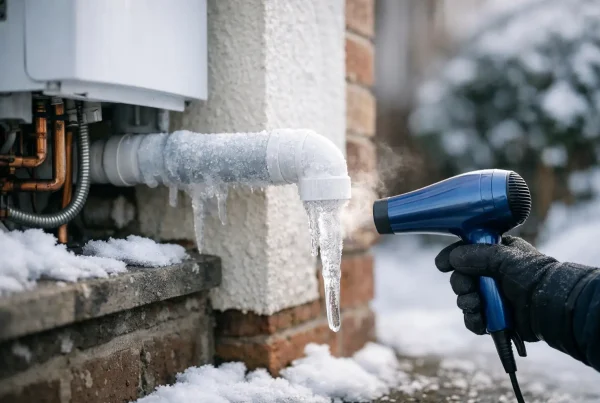
Have a look outside at the pressure relief pipe, usually a copper pipe coming through an external wall. If there is dripping or signs that it has been discharging regularly, that often points to a valve issue or expansion vessel problem.
If you have recently bled radiators or had work done on the system, repressurising the boiler once may be all that is needed. Your boiler manual will show the correct pressure and filling loop method. Take care not to overfill it. Too much pressure creates a different problem and can trigger the safety valve.
If the pressure drops again after a day or two, or even within a few hours, the system needs more than a quick top-up.
When topping up the pressure is not the answer
A lot of people get into the habit of repressurising the boiler whenever it drops. It feels like a fix because the heating comes back on. In reality, it is often masking a fault.
Adding fresh water into the heating system again and again is not ideal. It can introduce more oxygen, which increases the risk of internal corrosion over time. It also means the real problem is still there, whether that is a leak, a worn valve or a failed vessel.
There is also a practical point. If the pressure is dropping quickly, the fault may worsen without much warning. What starts as an occasional top-up can turn into no heating and no hot water when you need it most.
Signs you need a Gas Safe engineer
If your boiler keeps losing pressure, a professional inspection is the right move. The same applies if you notice water coming through the relief pipe, pressure shooting up when the heating is on, or visible leaks around the boiler or system.
You should also call an engineer if the boiler is locking out repeatedly, making unusual noises, or showing fault codes linked to low pressure or overheating. These signs often connect to the same underlying issue.
Anything involving the inside of the boiler should be left to a Gas Safe registered engineer. That includes checking internal components, testing the expansion vessel, replacing valves, and diagnosing faults that are not visible from outside. It is safer, quicker and far more likely to solve the problem properly first time.
How the fault is usually diagnosed
A good engineer will not just top the pressure up and leave. The first job is to work out whether the water loss is from the boiler, the wider heating system, or the safety discharge pipe.
That may involve checking the cold fill pressure, monitoring how it behaves as the system heats up, inspecting valves and joints, and testing the expansion vessel charge. If there is no obvious visible leak, further investigation may be needed to narrow down hidden pipework problems.
This is where experience matters. Some pressure loss faults are straightforward. Others are intermittent and only show under certain operating conditions. A careful diagnosis avoids replacing parts that are not actually at fault.
Repair or replace?
It depends on the age of the boiler, the condition of the system, and the cost of the repair. If the issue is a leaking radiator valve, a failed pressure relief valve or an expansion vessel recharge, repair is usually the sensible option.
If the boiler is older and has a larger internal fault, the calculation changes. Spending money on repeated repairs can stop making sense if reliability is already poor or parts are becoming harder to source. In those cases, replacement may be better value over time, especially if the current boiler is inefficient as well.
That said, not every pressure issue means a new boiler. Plenty of them are repairable. The key is getting an honest assessment rather than jumping straight to the most expensive answer.
Can boiler servicing help prevent pressure loss?
In some cases, yes. An annual service will not stop every leak from happening, but it gives an engineer the chance to spot early signs of wear before they become bigger faults. Issues such as corrosion, poor system pressure behaviour, or discharge from the relief pipe are easier to deal with when caught early.
Servicing also helps keep the boiler working safely and efficiently, which matters whether you are running a family home or managing a rental property. If your boiler has started losing pressure more than once, mention it during the visit rather than waiting for a full breakdown.
What to do next if your boiler keeps losing pressure
If it has happened once after bleeding radiators, you may only need to repressurise it correctly and keep an eye on the gauge. If it keeps dropping, do not keep resetting it and hope for the best. The pressure is falling for a reason.
A proper repair starts with finding that reason, not guessing. For homeowners and landlords, that means less disruption, fewer repeat faults and a heating system you can rely on. If you are in Leeds and need it sorted quickly, GasPlumb can inspect the system, identify the cause and get the right repair underway. A boiler should not need constant attention. Once fixed properly, it should just get on with the job.