
A radiator that is cold at the top, noisy when the heating starts, or slow to warm up can make you wonder how to check radiator pressure. In most homes, the reading is not taken from the radiator itself. It is shown on your boiler pressure gauge and tells you whether your sealed central heating system has enough water in it to circulate heat properly.
Checking the gauge takes a minute. Knowing what the number means can help you avoid losing heating or hot water when you need it most.
How to Check Radiator Pressure on Your Boiler
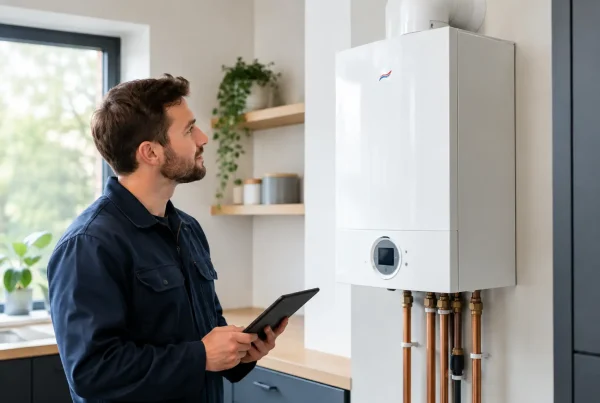
Start by finding the pressure gauge on the front, underside or control panel of your boiler. Older boilers often have a small round dial marked in bar, while newer models may show the pressure on a digital display.
For the most useful reading, turn your heating off and let the system cool down first. A cold system gives the baseline pressure. If the boiler has been running, the pressure will usually be slightly higher because heated water expands.
Look for the needle or digital figure. Most sealed systems should sit at around 1 to 1.5 bar when cold. Once the heating is on, a rise to around 1.5 to 2 bar is generally normal.
The exact recommended level can vary by boiler make and installation, so check the instructions if you have them. If your boiler has a clear marked zone on the gauge, that is a useful guide too. Do not rely on the gauge alone if you have a fault code, a leak or no heating – these signs need dealing with separately.
What Is Normal Radiator Pressure?
A stable reading between 1 and 1.5 bar with the system cold is usually where you want it. Pressure below 1 bar may be enough to affect circulation, particularly in larger houses or homes with radiators upstairs. Many boilers will lock out once pressure gets too low, leaving you with no heating and sometimes no hot water.
Pressure that climbs close to 3 bar when the heating is running is also a warning sign. Your boiler’s safety valve may release water outside through a copper pipe, often near an external wall. You may notice drips, damp ground below the pipe, or a sudden drop in pressure after the system cools.
One small change between cold and hot is expected. A large swing in pressure is not something to ignore. It can point to an issue with the expansion vessel, filling loop, pressure relief valve or another part of the heating system.
Low pressure: what it usually means
Low boiler pressure commonly happens after bleeding radiators, as a small amount of water leaves the system with the trapped air. It can also happen gradually over time, particularly on an older system.
If the pressure keeps dropping, however, there may be a leak. Check around radiator valves, pipework joints and beneath the boiler for signs of water. A leak may be small enough to evaporate before it leaves an obvious puddle, so look for staining, corrosion or a recurring need to top up pressure.
Do not keep refilling a system every few days. Repeatedly adding fresh water introduces oxygen, which can contribute to internal corrosion and sludge. It also hides a fault that needs a proper repair.
High pressure: what it usually means
A reading over 2.5 bar while hot, or approaching 3 bar, needs attention. First, let the system cool fully and check it again. If the cold pressure remains high, do not use the filling loop to add more water.
High pressure may be caused by an overfilled system, but it can also be a sign that a component inside the boiler needs testing. Releasing water from a radiator is sometimes suggested as a quick fix, but it is not always the right answer. If the pressure repeatedly rises, arrange for a qualified heating engineer to investigate rather than treating the symptom.
How to Repressurise a Low-Pressure System
If your boiler pressure is below 1 bar and there are no visible leaks or fault warnings that tell you otherwise, you may be able to repressurise it using the filling loop. This is usually a short flexible hose below the boiler, or a built-in keyless filling arrangement on newer models.
Before doing anything, switch the boiler off and allow it to cool. Find your boiler manual or the instructions printed around the controls, as the method differs between manufacturers. Never remove the boiler casing to look for parts.
With a standard external filling loop, open the valves slowly while watching the gauge. Stop at around 1 to 1.5 bar, then close both valves firmly. Do not walk away while the loop is open. Overfilling can happen quickly and creates a different fault to solve.
After repressurising, switch the boiler back on and run the heating. Check the gauge again once the radiators are warm. If the pressure stays steady, the system may simply have needed topping up after radiator bleeding or normal minor losses over a long period.
If it falls again within days or weeks, book a repair. The system should not need regular topping up.
Check Pressure Before Bleeding Radiators
Bleeding radiators can improve heat output when the top of the radiator is cold and the bottom is warm. But check the boiler pressure before and after you do it. Releasing air also releases a little water, which can push an already low-pressure system into boiler lockout.
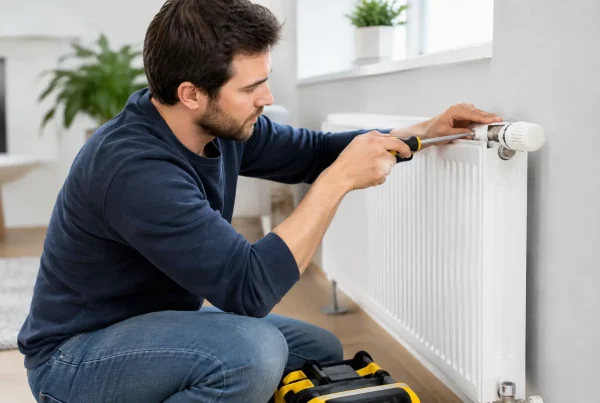
Turn the heating off before bleeding radiators and allow them to cool. Use a radiator key carefully, with a cloth or small container ready for drips. Close the valve as soon as water starts to come out in a steady flow.
Once you have finished, check the boiler gauge. If it has dropped below the normal cold level, repressurise the system as advised by your boiler manufacturer. Then turn the heating back on and make sure all radiators are warming evenly.
If a radiator repeatedly fills with air, needs bleeding often, or stays cold after bleeding, the problem may be more than pressure. Sludge, a stuck valve, poor balancing or a leak can all affect performance.
When to Call a Heating Engineer
Checking pressure is a sensible homeowner task. Diagnosing why that pressure will not stay stable is different. Call for professional help if you notice any of the following:
- The boiler pressure drops regularly after you have topped it up.
- The gauge rises sharply when the heating comes on.
- Water is dripping from pipework, radiators, valves or the external discharge pipe.
- The boiler displays a fault code, locks out, or will not restart.
- You are unsure which valves form the filling loop or how your boiler should be repressurised.
A Gas Safe registered engineer can find the cause, repair leaks, test the expansion vessel and make sure the boiler is operating safely. This matters particularly for landlords, who need heating and hot water problems dealt with quickly without compromising their gas safety responsibilities.
A Simple Pressure Check Can Prevent a Cold House
Make checking the boiler gauge part of your routine before winter and after bleeding radiators. It is a small job, but it gives you an early warning when your heating system is losing water or running under strain.
If the reading is stable and your radiators heat evenly, leave it alone. If it is low, high or changing often, avoid repeated guesswork. A prompt repair is usually cheaper and less disruptive than waiting for the boiler to stop on a cold morning.