
A boiler that still produces hot water can look like it is doing its job. That does not mean it has been properly checked. When customers ask about boiler service versus safety inspection, they are usually trying to work out whether one appointment covers everything. The short answer is no. Both matter, but they are carried out for different reasons and give you different reassurance.
For homeowners, a boiler service is the regular maintenance visit that helps keep heating reliable and catches problems before a cold morning turns into a breakdown. For landlords, a gas safety inspection is a legal compliance check that must be completed at the right time. If you rent out a property, relying on a service alone can leave you without the paperwork you need. If you own your home, relying only on a safety check can mean avoidable wear and poor performance are missed.
What happens during a boiler service?
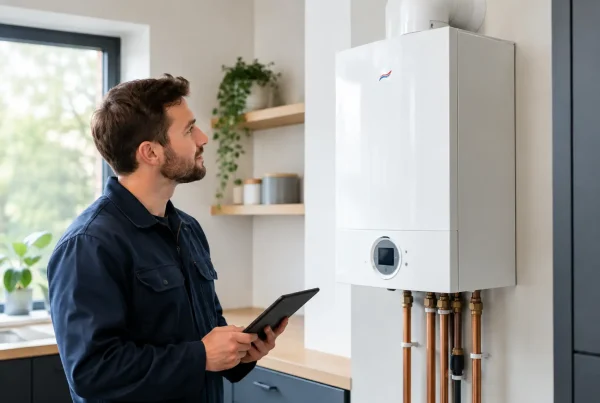
A boiler service is about the condition, operation and upkeep of the boiler. A Gas Safe engineer checks the appliance carefully, looking for signs that parts are worn, the combustion is not right, or the boiler is beginning to lose efficiency.
The exact work depends on the boiler make, model, age and condition. A proper service commonly includes checking the boiler controls, flue route, gas pressure and combustion readings, along with inspecting accessible internal components. The engineer may clean parts where required, check for leaks or corrosion, and make sure the boiler is operating as it should. They will also flag faults that need repair before they become more expensive.
Think of it as planned maintenance, not just a certificate. A well-timed annual service can help reduce the risk of lost heating or hot water, particularly when the boiler is working harder through winter. It may also be needed to keep a manufacturer warranty valid, depending on the warranty terms.
A service is not a promise that the boiler will never fail. Older parts can still give up without warning. What it does provide is a realistic opportunity to spot early warning signs, such as poor combustion, pressure issues, noisy operation, small leaks or a build-up of debris.
What is a gas safety inspection?
A gas safety inspection is focused on whether gas appliances and associated flues are safe to use at the time of the check. It is particularly relevant to landlords, who must arrange an annual gas safety check at rented properties and provide the required record to tenants.
The inspection may cover the boiler, gas fire, cooker or hob, depending on what gas appliances are supplied at the property. The engineer checks that appliances are burning gas safely, that flues are working correctly, and that there are no unsafe gas leaks or dangerous defects. If an appliance is found to be unsafe, it may need to be turned off and labelled until it can be repaired or replaced.
The result is a Gas Safety Record, often referred to as a landlord gas safety certificate. This is a compliance document, not a full maintenance record. It shows that the relevant safety checks were completed on that date. It does not mean every serviceable component has been cleaned, adjusted or maintained in the same way as during a dedicated boiler service.
Boiler service versus safety inspection: the key difference
The clearest difference is purpose. A boiler service is preventative maintenance for one boiler. A safety inspection is a check that gas appliances are safe and, for landlords, supports a legal duty.
There is some overlap. Both visits can involve checking safe operation, the flue and combustion. But the level of maintenance work is not automatically the same. A gas safety inspection can confirm that a boiler is safe on the day without giving it the full servicing attention it needs. Equally, a boiler service may identify safety concerns, but it is not a substitute for the landlord documentation required for a rental property.
For a homeowner living in their own house, an annual boiler service is usually the priority. If there are other gas appliances, it is sensible to ask the engineer to check what is included and whether separate safety checks are needed. For a landlord, the practical approach is to book the annual gas safety inspection and make sure the boiler is serviced as well. In many cases, these can be arranged in the same visit, but you should be clear that you need both services.
Do landlords need both appointments?
In most rented homes, yes. The annual gas safety check is not optional where gas appliances are provided. The boiler service is separate maintenance that helps protect the heating system, reduce emergency repair calls and keep tenants comfortable.
It can be tempting to choose the cheapest inspection and assume the boiler has been looked after. That often proves false when a tenant reports intermittent hot water, banging pipes, low pressure or a boiler that keeps locking out. A safety check may not deal with the underlying maintenance issue if the appliance is safe at that moment.
Landlords should also keep records organised. Keep the current Gas Safety Record, retain previous records as required, provide tenants with the correct copy, and book the next check before the current one expires. If a boiler needs repair following the service, deal with it promptly rather than waiting for a complete failure. Delays can mean no heating, unhappy tenants and a larger repair bill.
When should homeowners book a boiler service?
The best time is before you depend on the heating every day. Late summer or early autumn is often a sensible window, although a reputable local engineer can service a boiler throughout the year. Booking before the first cold spell gives you time to deal with any faults without the pressure of a freezing house.
Do not wait for the annual service if you notice a problem. A boiler that is making unusual noises, losing pressure repeatedly, giving inconsistent hot water or displaying fault codes needs investigating. The same applies if radiators stay cold at the top, the system takes far too long to warm up, or you see staining, dripping or corrosion around the boiler and pipework.
Some faults are urgent. If you smell gas, suspect a gas leak, feel unwell around an appliance, or a carbon monoxide alarm sounds, do not treat it as a routine service issue. Turn off the appliance if it is safe to do so, open doors and windows, leave the property if necessary, and get urgent help. Never try to repair a gas appliance yourself.
What a service or inspection does not cover
A boiler service is not automatically a full central heating system clean. If sludge, debris or poor circulation is affecting radiators, the engineer may recommend further work such as a system clean, filter check, chemical treatment or repairs to valves and pumps. These jobs can make a major difference to heating performance, but they are not always part of a standard service.
Likewise, a gas safety inspection does not guarantee a boiler will remain fault-free for the next 12 months. It confirms safety at the point of inspection. Normal wear can continue after the engineer leaves, especially on an older boiler.
Be wary of vague descriptions such as “boiler check” when booking. Ask whether the appointment is a full boiler service, a landlord gas safety inspection, or both. You should also ask whether the quoted price includes the certificate where one is needed, and whether any repair work would be charged separately. Clear information at the start avoids an awkward surprise later.
Choosing the right engineer
Gas work should always be carried out by a suitably qualified Gas Safe engineer. That is not just a badge on a van. It means the engineer is registered to work on the type of gas appliance involved. A reliable engineer will explain what they have checked, tell you plainly if a fault has been found, and give practical advice on the next step.
For homes and rental properties in Leeds, GasPlumb can arrange boiler servicing, landlord gas safety checks, repairs and emergency support without sending you between different trades. If you need both a service and a safety record, say so when you book. It helps ensure the right checks are planned and the right paperwork is ready.
Your boiler is easy to forget when the heating and hot water are working. Book the right visit before there is a problem, keep any records somewhere safe, and act early when something does not sound, smell or perform as it should.