
If you let out a property with any gas appliance, this guide to landlord gas checks matters for one simple reason – you are legally responsible for making sure that gas equipment is safe. Miss a check, use the wrong engineer or leave faults unresolved, and you are not just risking paperwork problems. You are risking tenant safety, voids, delays and avoidable stress.
For most landlords, the challenge is not understanding that gas safety matters. It is keeping on top of dates, tenant access, appliance condition and the certificate itself while managing everything else that comes with a rental property. The good news is that the process is straightforward when it is handled properly.
What landlord gas checks actually cover
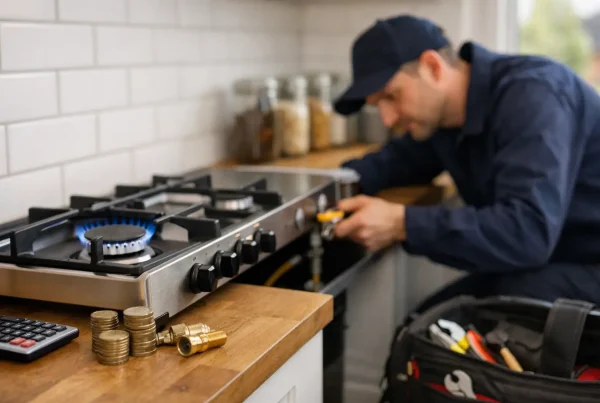
A landlord gas check is an annual inspection of the gas appliances, pipework and flues you are responsible for in a rental property. The check must be carried out by a Gas Safe registered engineer. If the property has a boiler, gas hob, cooker or fire supplied by the landlord, those items normally need to be inspected.
The purpose is simple. The engineer checks whether the appliances are operating safely, whether they are correctly ventilated, whether flues are doing their job and whether there are any signs of leaks, unsafe combustion or wear that could create a problem.
This is different from a boiler service, although the two are often booked together. A service focuses on maintaining the appliance and helping it run efficiently and reliably. A gas safety check focuses on legal compliance and safety. In some cases, one visit can cover both, but they are not the same thing and landlords should not assume one automatically replaces the other.
Your legal duties as a landlord
The legal side of landlord gas safety is where many avoidable mistakes happen. The rule itself is clear enough: gas appliances and flues provided for tenants must be checked every 12 months by a Gas Safe registered engineer.
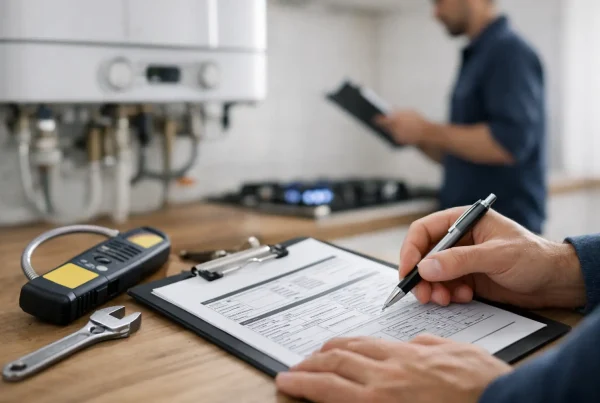
You also need to keep a record of the check, often called the landlord gas safety certificate or CP12, and give a copy to existing tenants within 28 days of the inspection. New tenants should receive a copy before they move in. If you manage several properties, good record keeping matters just as much as the inspection itself.
There is a practical point here that often gets overlooked. Even if a tenant owns their own gas appliance, you may still have responsibility for pipework and flues connected to systems you provide. That is where assumptions can cause problems, so it is always worth being clear about what belongs to whom and what sits under your duty of care.
A practical guide to landlord gas checks and timing
Timing catches landlords out more often than the inspection itself. Leave it too late and a missed appointment can push you past the due date. Book too early every year and your schedule can gradually drift, which is frustrating if you are managing multiple renewals.
The sensible approach is to arrange the check well before expiry and build in room for access issues, repairs or parts delays. Tenants are not always available on the first appointment, and some faults cannot be resolved on the spot. A bit of planning avoids the last-minute scramble.
It also helps to think seasonally. Autumn and early winter are busy periods for heating engineers because that is when boilers start failing and people notice faults. If your gas check is due around then, booking ahead is even more important. Waiting until the cold weather arrives is rarely the easiest or cheapest time to sort things.
What happens during the visit
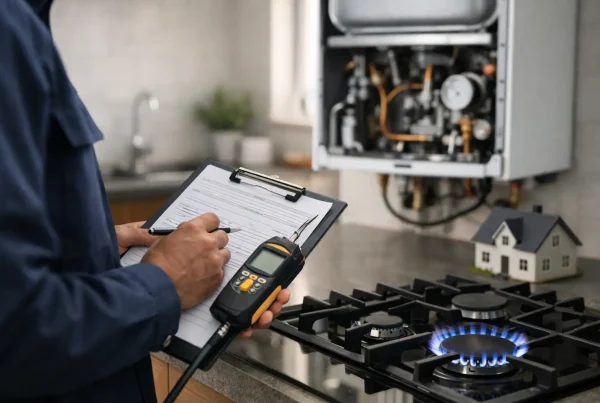
A proper landlord gas check should be efficient, but it should never feel rushed. The engineer will inspect the appliances covered by the check, test for safe operation and look at the condition of key components, ventilation and flues. They may also identify signs of poor maintenance, unsafe installation or issues that need attention before the property can be classed as safe.
If everything is satisfactory, the certificate is issued with the relevant details of the inspection. If there is a problem, the engineer should explain what has been found and what needs to happen next.
This is one of those areas where the cheapest option is not always the best option. A very low-cost check may still be legitimate, but landlords should expect a proper inspection rather than a quick tick-box visit. A reliable engineer will be clear about what is included, what has been tested and whether any follow-up work is needed.
What if the property fails the gas check?
A failed gas check does not always mean a major repair bill, but it does mean action is needed. Sometimes the issue is minor, such as an appliance needing adjustment, a flue issue that needs correcting or a warning sign that maintenance has been missed. In other cases, the appliance may be classed as unsafe and disconnected.
That can be inconvenient, especially if it affects heating or hot water, but safety comes first. The real cost usually comes when small faults have been ignored for too long. An annual check is there to spot those issues before they turn into emergencies.
For landlords, speed matters here. If a fault is flagged, getting it repaired promptly protects tenants, reduces disruption and helps avoid longer voids or complaints. It also shows tenants that safety concerns are being handled properly rather than put off.
Common landlord mistakes to avoid
Most compliance problems come from ordinary oversights rather than deliberate neglect. One common mistake is assuming a boiler service covers the legal gas safety certificate. Another is forgetting that each property has its own renewal date and paperwork trail.
Access is another sticking point. Landlords do need to take reasonable steps to arrange the inspection, and that means keeping clear records of appointments, messages and attempts to gain entry if a tenant is difficult to reach. You cannot simply ignore the issue because access is awkward.
There is also the question of appliance changes. If a cooker has been replaced, a boiler upgraded or a fire removed, your records need to reflect the current setup. Old certificates do not help much if they no longer match the appliances in the property.
Finally, do not choose an engineer on availability alone. The inspection must be carried out by someone properly registered to work on gas. That is non-negotiable.
How to make landlord gas safety easier to manage
The easiest way to stay compliant is to treat gas checks as part of planned property maintenance rather than a last-minute admin task. Put renewal dates in your diary well in advance, keep digital copies of certificates and use one trusted provider where possible so records stay consistent.
Many landlords also find it helpful to combine visits. If the boiler is due a service around the same time as the gas check, booking both together can save time and reduce disruption for tenants. It also gives you a better picture of the appliance condition, not just whether it passes on the day.
Good communication helps too. Tenants are usually more cooperative when they understand that the appointment is about their safety and that the visit will be handled professionally. Short notice, vague time slots and poor follow-up tend to create friction where none was needed.
If you manage property in Leeds, working with a local firm that handles gas, heating and plumbing can make a real difference when a check turns up a fault. It is far easier to deal with one dependable team than coordinate separate people for the inspection, the boiler repair and any urgent follow-on work.
When a certificate is not the whole story
Passing a gas safety check is essential, but it is not the same as having a well-maintained heating system. A boiler can meet the safety standard on the day and still be inefficient, unreliable or heading for a breakdown. That is why many landlords choose to stay on top of servicing as well as the legal check.
This is especially relevant in older properties or homes with ageing boilers. From a compliance point of view, the certificate may be enough. From a practical point of view, a breakdown in the middle of winter can still cost time, money and tenant goodwill. Sometimes spending a bit more on preventive maintenance saves a lot more later.
That is the trade-off landlords deal with all the time. Minimum compliance keeps you legal. Proper upkeep keeps the property running as it should.
Choosing the right engineer
Landlords do not need a long sales pitch. They need someone who turns up, carries out a proper inspection, explains any issues clearly and can sort follow-up work without fuss if needed. That is what makes the process manageable year after year.
A good engineer will also be realistic. Not every issue needs immediate major work, but anything affecting safety does need decisive action. Clear advice matters because landlords are often balancing repair costs, tenant needs and timescales at the same time.
If you use a company that only issues certificates and cannot help when faults appear, you may end up losing time arranging repairs elsewhere. There is value in using a provider who can inspect, diagnose and fix problems in one go when possible.
Landlord gas checks are not complicated, but they do need doing properly. Stay ahead of the date, keep your records straight and deal with faults quickly, and the whole process becomes far less of a headache for you and far safer for your tenants.