No heating and no hot water usually starts with one question – how to reset boiler controls without making things worse. The good news is that many boilers do have a simple reset function, and in some cases it gets the system running again within minutes. The key is knowing when a reset is appropriate, when to stop, and what signs point to a fault that needs a proper repair.
A boiler reset is not a fix in itself. It is a way of clearing a lockout after the boiler has shut down to protect itself. That shutdown might be caused by low pressure, ignition failure, overheating, frozen condensate pipework, or an issue with the petrol or power supply. If the underlying problem is still there, the boiler will usually lock out again.
What a boiler reset actually does
Modern boilers are built to shut themselves down when they detect unsafe or abnormal operating conditions. This is called a lockout. The reset button tells the boiler to try starting again once the issue has been checked or corrected.
That is why pressing reset repeatedly is rarely the answer. One reset after a sensible basic check is fine. Several resets in a row usually mean the fault has not gone away. At that point, you are not helping the boiler. You are just delaying a proper diagnosis.
How to reset boiler controls step by step
If you want to know how to reset boiler controls safely, start calmly and work through a few simple checks first. Different makes and models vary, but the general process is similar.
First, look at the boiler display or fault light. Many boilers show an error code or warning symbol. If you have the user manual, check what that code means. Even if you do not, the display can still tell you whether the issue is low pressure, ignition lockout or something else.
Next, make sure the boiler has power. It sounds obvious, but a switched spur may have been knocked off, a fuse may have gone, or the programmer may be off. Check that the thermostat is calling for heat and that there is credit on the meter if you use prepayment.
Then check the boiler pressure gauge if you have a sealed system. Most domestic boilers run best around 1 to 1.5 bar when cold, though you should always follow the manufacturer guidance. If the pressure is very low, the boiler may lock out and need topping up before it can restart.
If everything looks normal, locate the reset button. On some boilers it is clearly marked reset. On others, you may need to press and hold a button for a few seconds. Some models use a dial position for reset. Press it once, then give the boiler a few minutes to go through its start-up sequence.
If it fires up and runs normally, keep an eye on it. If it locks out again later the same day or over the next few days, there is likely a fault in the system that still needs attention.
Check these problems before you reset
A reset works best when the reason for the lockout is something minor and temporary. Before you press anything, there are a few household-level checks that can save time.
Low pressure is one of the most common. If the gauge is below the normal range, the boiler may need repressurising via the filling loop. This is usually a straightforward job for a homeowner, but only if you know what you are doing and can identify the correct valves. Overfilling the system can create a different problem, so if you are unsure, stop and get advice.
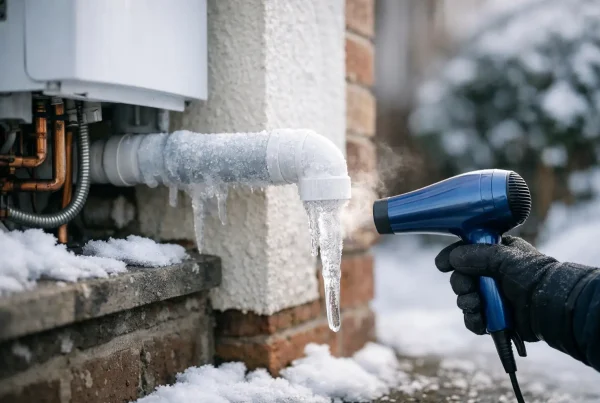
A frozen condensate pipe is another regular winter fault. If your boiler is making gurgling noises or showing a lockout during freezing weather, the external condensate pipe may be blocked with ice. In many cases, gently thawing it with warm, not boiling, water can clear the blockage. Once thawed, the boiler may reset and restart.
You should also check whether the petrol supply is available. If your petrol hob will not light either, the issue may not be the boiler itself. It could be a broader petrol supply problem that needs reporting and checking properly.
When not to reset your boiler
There are times when resetting the boiler is the wrong move. If you can smell petrol, do not touch the boiler, do not operate switches, and do not attempt a reset. Follow petrol emergency safety steps straight away and get urgent professional help.
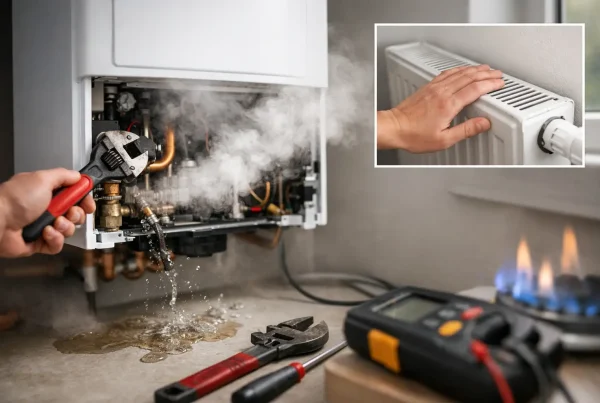
If the boiler has been leaking water, making banging noises, losing pressure repeatedly, or showing the same fault code over and over, a reset is unlikely to solve it. The same goes for boilers that start and then cut out again quickly. Those are signs of an underlying fault, not a simple one-off interruption.
You should also avoid removing the casing or trying to investigate internal parts. Anything inside the combustion chamber or sealed parts of the appliance needs a Gas Safe engineer. Boilers are not DIY projects when petrol and safety controls are involved.
Common reasons a boiler keeps needing reset
A boiler that needs resetting once after a power cut is one thing. A boiler that needs resetting every week is telling you something. Common causes include ignition faults, a failing pump, low system pressure from a leak, thermostat or sensor issues, blocked condensate, or overheating caused by poor circulation.
Old boilers can become more sensitive to faults as parts wear out. Newer boilers can also lock out if they are poorly maintained or if system sludge is affecting circulation. The point is simple – repeated lockouts need proper fault finding. Otherwise, you end up with the same problem at the worst possible time, usually when the weather turns cold.
Reset button pressed and still not working?
If you have done the basic checks and the reset has not worked, do not keep forcing it. The next step depends on what the boiler is doing.
If there is no power at all, the issue may be electrical. If the pressure is low again soon after topping up, there may be a leak or an expansion vessel problem. If the boiler tries to ignite but fails, you could be dealing with a petrol valve, electrode or ignition issue. If it fires but shuts down, overheating or circulation faults may be involved.
At this stage, the quickest route is usually to get a qualified engineer in. A proper repair is faster and safer than spending hours guessing. For homeowners and landlords, it also avoids turning a smaller issue into a more expensive breakdown.
Is it safe to reset a boiler yourself?
In many cases, yes. Using the external reset control exactly as the manufacturer intended is generally safe for a householder. The important part is keeping the job limited to basic user checks. That means pressure, power, thermostat settings and visible pipework only.
It is not safe to start taking panels off, adjusting petrol components, or trying to bypass safety controls. If the boiler is locking out for a reason, those safety systems are doing their job. Respect them.
A note for landlords and busy households
If you manage a rental property or simply do not have time to wrestle with heating faults, a boiler that needs repeated resets should be treated as an active maintenance issue. Tenants want heat and hot water back quickly, and landlords need reliable records, safe repairs and as little disruption as possible.
For family homes, the same principle applies. A short reset may get you through the evening, but if the fault returns, book it in. Waiting for a total breakdown often means more inconvenience, especially in winter.
When to call a professional
You should call a Gas Safe engineer if the boiler will not reset, keeps locking out, is leaking, loses pressure regularly, makes unusual noises, or shows a fault you cannot identify. The same applies if the appliance is overdue a service. Annual servicing often catches the sort of wear and buildup that later causes lockouts.
If you are in Leeds and need fast, practical help, GasPlumb deals with boiler faults, breakdowns and heating issues without the usual runaround. Sometimes the answer really is a quick reset. Sometimes it is a repair that needs doing properly the first time.
A boiler reset is useful when it is used for the right reason. Treat it as a first check, not a cure-all, and you will save yourself time, stress and the risk of a bigger fault developing later.