
If you’ve booked an inspection and you’re wondering what does gas safety check include, the short answer is this – the engineer is making sure your gas appliances, pipework and ventilation are safe to use. That means checking for leaks, confirming appliances are burning gas properly, and making sure harmful fumes can leave the property as they should. It is not just a quick glance at the boiler and a tick on a form.
For homeowners, that peace of mind matters. For landlords, it is also a legal requirement. Either way, knowing what is actually checked helps you prepare for the visit and spot the difference between a proper inspection and a rushed job.
What does a gas safety check include?
A gas safety check covers the parts of your gas system that could create a risk if something is wrong. The exact scope depends on the property and which appliances are installed, but most checks include the boiler, gas hob, cooker, gas fire, pipework, flues and ventilation.
The engineer will first look at the overall condition of each appliance. They are checking whether it has been fitted correctly, whether there are obvious signs of damage or wear, and whether it appears suitable for safe use. If an appliance has been boxed in, has poor access or shows signs of tampering, that can affect what can be confirmed on the day.
They will also check that the appliance is set up to burn gas correctly. A badly burning flame can mean poor combustion, and that raises the risk of carbon monoxide. This is one of the most serious parts of the inspection because carbon monoxide cannot be seen or smelt.
The main checks an engineer will carry out
Gas tightness test
One of the first jobs is usually testing the gas installation for leaks. This is often called a tightness test. It checks whether gas is escaping anywhere in the pipework between the meter and the appliances.
If there is a pressure drop where there should not be one, that can point to a leak. Sometimes the issue is obvious. Sometimes it takes further investigation. If a leak is found, the system may need to be isolated until repairs are carried out.
Appliance safety and operation
Each appliance being checked should be inspected to make sure it is working safely. That includes confirming it lights properly, responds as it should, and does not show signs of unsafe operation.
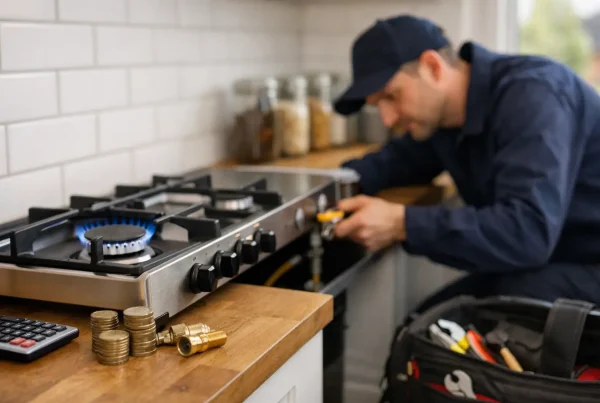
On a boiler, the engineer may check burner pressure, flame picture and general condition. On a gas cooker or hob, they will usually check ignition, flame stability and whether the burners are producing the right type of flame. Yellow or lazy flames can suggest a problem.
Ventilation checks
Gas appliances need the right air supply to burn properly. If ventilation is blocked or inadequate, combustion can be affected and harmful gases can build up.
The engineer will check that air vents are present where required and that they are not blocked. This matters particularly with older appliances and in properties where changes have been made, such as sealed-up vents, new windows or altered kitchen layouts.
Flue checks
A flue carries combustion gases safely outside. If the flue is damaged, blocked or poorly installed, fumes can spill back into the room.
The check includes making sure the flue is in good condition, connected correctly and terminating where it should. The engineer will also look for signs of staining, corrosion or heat damage around the appliance or flue route, as these can point to unsafe operation.
Combustion analysis where needed
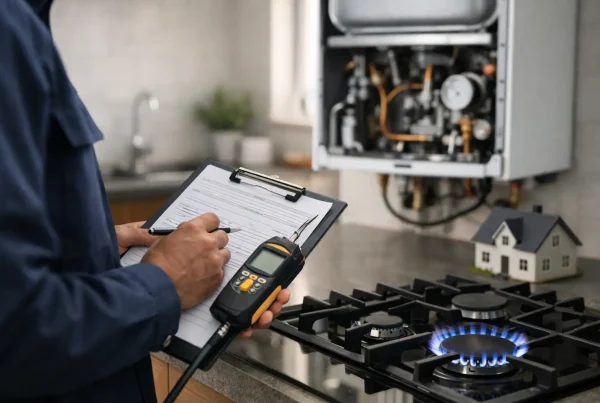
In many cases, especially with boilers, the engineer may use a flue gas analyser to measure combustion performance. This gives a clearer picture of whether the appliance is burning gas efficiently and safely.
This is one of those areas where the detail depends on the appliance type and age. Newer appliances often allow more precise testing. Older appliances may need a more basic safety assessment if they are not designed for the same test points.
Pipework and emergency controls
The visible gas pipework is checked for condition and suitability. The engineer will also confirm that emergency isolation controls are accessible and working as they should.
That might sound minor, but in an actual gas emergency, being able to shut the gas off quickly matters. If the valve is seized, buried behind cupboards or otherwise inaccessible, that is a problem worth fixing.
What a gas safety check does not always include
This is where people often get caught out. A gas safety check is not always the same as a full boiler service. The two are related, but they are not identical.
A safety check is focused on whether the appliance is safe to use at that point in time. A boiler service usually goes further. It may include cleaning components, opening the case where appropriate, checking seals and condensate arrangements, inspecting internal parts in more detail and helping maintain performance and reliability.
So if you are a homeowner asking for a gas safety check, it is worth being clear about what you want. If your aim is legal compliance for a rented property, that is one thing. If your boiler has not been looked at for a year and you want to help prevent breakdowns, a full service may be the better option.
What landlords should expect
For landlords, the check forms part of the Gas Safety Record requirement. Every relevant gas appliance and flue in the rental property must be checked by a Gas Safe registered engineer at least every 12 months.
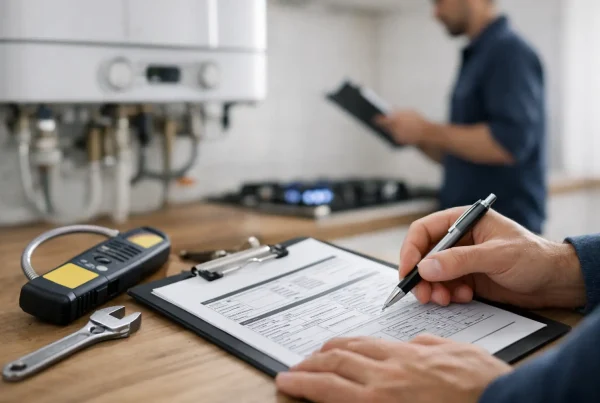
If everything is satisfactory, the landlord receives the record showing what was checked and when. If there is a problem, the report should make that clear, along with any action needed.
Not every issue means the property is immediately dangerous, but some do. Appliances can be classed in different ways depending on the level of risk. In more serious cases, the appliance may be disconnected or labelled as unsafe until repairs are completed. That can be inconvenient, but it is far better than leaving a dangerous appliance in use.
Landlords should also remember that access matters. If the engineer cannot get to the boiler, meter, flue or appliance properly, the inspection may be incomplete. That can delay compliance and lead to another visit.
What homeowners should expect
If you own and live in the property, a gas safety check is still a sensible step even though it is not usually a legal requirement in the same way. Many people book one when they have moved house, have concerns about an appliance, or simply want reassurance.
It is especially worth considering if you have an older boiler, a gas fire that is rarely used, or a cooker that has started behaving differently. Small changes in performance can be early warning signs. Strange smells, soot marks, pilot light issues or headaches when an appliance is running should never be ignored.
Homeowners sometimes assume that if the heating is working, everything must be fine. That is not always true. An appliance can still operate while developing a fault that affects safety.
How long does it take?
A straightforward gas safety check in a typical home may take around 30 minutes to an hour, depending on how many appliances there are and how easy they are to access. A landlord inspection with several appliances will often take longer.
If faults are found, the visit can also take more time because the engineer may need to investigate further, explain the issue or make the appliance safe before leaving. That is another reason not to treat the appointment like a five-minute box-ticking exercise.
How to prepare for the visit
The best thing you can do is make access easy. Clear the area around the boiler, gas meter, cooker and any other gas appliances. If you know there have been issues, mention them at the start. That includes odd smells, pilot lights going out, poor heating performance or previous repair history.
If you are a landlord, make sure all appliances that fall within the inspection can actually be tested. If a tenant has blocked access or an appliance is boxed in, that can create delays and extra cost.
It also helps to have any past paperwork available, especially if there has been recent work carried out. It is not essential, but it can make fault-finding easier.
Why the quality of the check matters
A proper gas safety check is about more than paperwork. It is about spotting problems before they become dangerous, expensive or both. Poor combustion, hidden leaks and flue faults are not always obvious to the householder, and they do not fix themselves.
That is why the engineer carrying out the inspection matters just as much as the inspection itself. You want someone who takes the time to test, explain and act where needed. For homeowners and landlords in Leeds, that practical, no-nonsense approach is exactly what companies like GasPlumb are there for.
If you are due a check, do not wait until there is a smell of gas or no hot water on a freezing morning. Get it looked at properly, ask what has been tested, and make sure the job is done thoroughly. A safe appliance is one less thing to worry about.
For more information visit:
https://www.your-move.co.uk/blog/gas-safety-checks-what-are-they-and-who-can-make-them