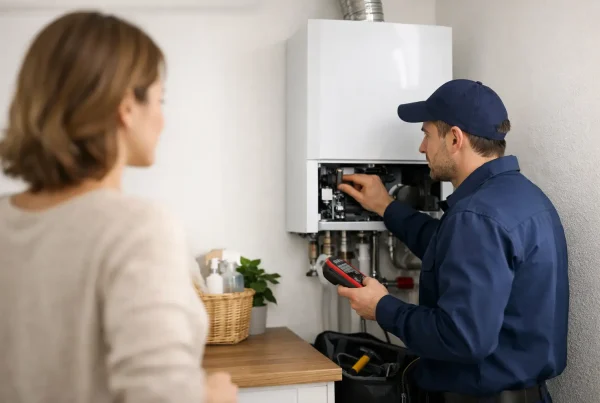
Boilers rarely pick a convenient time to go wrong. It is usually on a cold morning, before work, or just as the house needs heating most. That is why one of the most common questions we hear is when should boiler be serviced – and the short answer is once a year, every year, without waiting for a fault.
That annual service is the simple part. The better question is when during the year to book it, and whether there are any situations where you should act sooner. For most homeowners and landlords, a bit of timing makes a real difference. You are less likely to face delays, more likely to spot wear before it becomes a breakdown, and far less likely to be caught out when the weather turns.
When should boiler be serviced during the year?
The best time to book a boiler service is usually late summer or early autumn. By then, your heating may have had a lighter spell over the warmer months, and there is still time to catch any problem before the boiler is working hard again.
This matters because demand for heating engineers rises sharply once temperatures drop. The first cold snap tends to bring a rush of no-heating calls, fault diagnostics and emergency repairs. If your annual service is already done before that point, you are in a stronger position. You know the boiler has been checked, cleaned where needed and tested for safe operation.
That said, the right time is also the time you are most likely to get it done. If your last service was in January, there is no need to skip a year just to move it to September. Keep to a 12-month cycle, then adjust gradually if you want a more convenient slot later on.
Why annual boiler servicing matters
A boiler can seem fine right up until it is not. Plenty of faults build slowly – low pressure issues, worn seals, dirty components, ignition problems or poor combustion performance. You may still have heating and hot water, but the system may not be running as safely or efficiently as it should.
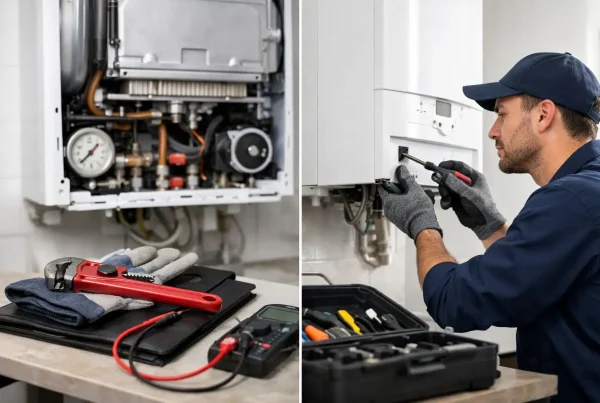
A yearly service helps pick up those early signs. It gives an engineer the chance to inspect the boiler, test key functions and spot problems before they turn into major repairs. In practical terms, that can mean fewer breakdowns, lower risk of winter callouts and less chance of paying for a bigger fix later.
There is also the safety side. Any petrol appliance needs proper attention. An annual service helps check that the boiler is burning correctly and venting safely. That is not something most householders can assess by eye, even if the boiler appears to be working normally.
For many manufacturers, annual servicing is also tied to warranty terms. Miss services and you may weaken your position if you need to make a claim. It is worth checking your paperwork rather than assuming you are covered.
When should boiler be serviced if it seems to be working fine?
Still once a year. A boiler does not need to be noisy, leaking or showing an error code to need servicing. In fact, waiting for symptoms misses the point.
Servicing is preventative. It is there to reduce the odds of a failure, not just react once one has already happened. Boilers contain moving parts, seals, heat exchangers, fans, burners and safety devices that all wear over time. Some issues stay hidden until the boiler is under pressure in colder weather.
If your boiler is heating the home and giving you hot water, that is good news. It does not mean it should be left unchecked indefinitely.
Situations where you should book sooner
There are times when waiting for the annual date is not the right move. If the boiler is showing signs of trouble, book an inspection as soon as possible.
Common warning signs include strange banging or whistling noises, water leaks, pressure dropping repeatedly, pilot light or ignition issues, uneven heating, radiators staying cold in places, or hot water turning unreliable. A sudden rise in energy bills can also point to a boiler or heating system that is no longer working efficiently.
You should also act quickly if you notice anything that raises a petrol safety concern. That includes unusual smells, soot marks, or symptoms such as headaches and dizziness when the appliance is running. In those cases, treat it as urgent.
A recent house move is another sensible time to think about servicing. If you have just bought a property and do not have a clear service record, getting the boiler checked gives you a proper baseline. The same applies to landlords taking on a new rental property or regaining possession after a long tenancy.
Homeowners and landlords have slightly different priorities
For homeowners, the main driver is usually reliability. You want heating and hot water to work when you need them, and you want to avoid surprise repair bills. Annual servicing supports that.
For landlords, there is the added issue of legal responsibility. A boiler service is not the same as a landlord petrol safety check, but both matter. Landlords need the right inspection and certification for rented property petrol appliances, and many choose to combine that with routine servicing so the boiler is being checked both for compliance and condition.
It is worth keeping those two jobs clear in your mind. A petrol safety check confirms appliances are safe at the time of inspection. A service is about maintenance, performance and identifying wear. Often they sit well together, but one does not automatically replace the other.
What happens if you leave it too long?
Sometimes nothing obvious happens straight away, and that is why people put it off. The problem is that delay increases risk without giving you much in return.
A boiler that is not serviced regularly is more likely to develop faults that could have been picked up early. Small issues can become larger ones. Efficiency may slip. Parts may wear faster. If the system does break down, it tends to happen at the least helpful time – when it is cold, when engineers are busiest, and when the house depends on it most.
There is also the cost question. Some people delay servicing to save money, but that can be false economy. One annual visit is often far easier on the budget than an emergency repair, replacement parts, or days without proper heating.
Is summer really better than winter?
In most cases, yes. Summer is not better because the boiler needs less attention then. It is better because you have more room to act.
If a service uncovers a failing part in July or August, there is usually less pressure. You are not dealing with freezing weather, urgent household disruption or the scramble for the next available engineer. You can make sensible decisions rather than rushed ones.
Winter servicing is still far better than no servicing at all. But if you have a choice, getting ahead of the season is usually the practical option.
How often should older boilers be checked?
Older boilers still need a yearly service, but they may deserve closer attention between annual visits if they are becoming unreliable. Age on its own does not mean immediate replacement. Plenty of older boilers keep going well when properly maintained.
The trade-off is that older units can become less efficient, spare parts may be harder to source, and repeated repairs can start to add up. If your boiler is needing frequent callouts, losing pressure often, or struggling to heat the home evenly, it may be time for a wider conversation about repair versus replacement.
That does not change the servicing rule. If anything, annual servicing becomes more valuable as the boiler gets older.
A sensible routine that works
The easiest approach is simple. Book your boiler service every 12 months, aim for late summer or early autumn if you can, and do not ignore warning signs in between.
Keep hold of service records. If you are a landlord, keep your compliance paperwork organised as well. If you are a homeowner, set a reminder on your mobile phone rather than relying on memory. Heating systems are easy to forget about when everything is working, which is usually when the service should be booked.
For households in Leeds, having a dependable local engineer matters just as much as the date in the diary. A proper service is not a box-ticking exercise. It should leave you clearer on the condition of the boiler, any concerns to watch, and whether you are ready for the colder months.
If you are wondering when should boiler be serviced, do not wait for the answer to arrive with a fault code. Once a year is the right rule, and sooner if the boiler is showing signs that something is not right. A little planning now is usually what keeps the heating on later.
For more information visit: https://energysavingtrust.org.uk/boiler-service-explained/