A boiler failure rarely happens at a convenient time. It is usually when the weather turns, the house is busy, or you have tenants waiting for heating and hot water. When comparing boiler cover vs servicing, the key point is simple: one helps deal with unexpected repair costs, while the other is planned maintenance intended to spot problems early.
Neither option is automatically right for every household. Your boiler’s age, condition, warranty, household budget and need for rapid support all make a difference. Knowing what you are paying for means there are fewer surprises when the heating stops working.
Boiler cover vs servicing: the main difference
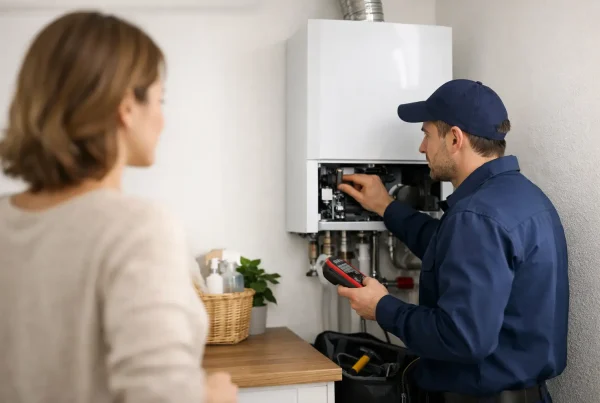
A boiler service is a scheduled annual inspection carried out by a Gas Safe registered engineer. The engineer checks that the boiler is operating safely and efficiently, looks for signs of wear or faults, and carries out the manufacturer-recommended checks. A service is preventative work. It does not normally include parts or repairs if a fault is found.
Boiler cover is an ongoing policy or service plan, usually paid monthly or annually. Depending on the level of cover, it may include repairs, labour, replacement parts, an annual service, and sometimes wider central heating or plumbing call-outs. The detail matters because policies vary considerably.
Think of servicing as maintaining your car before its MOT or a long journey. Boiler cover is more like having a plan in place if it breaks down. A well-maintained boiler can still develop a fault, while a cover plan cannot undo years of missed maintenance or existing damage.
What happens during an annual boiler service?
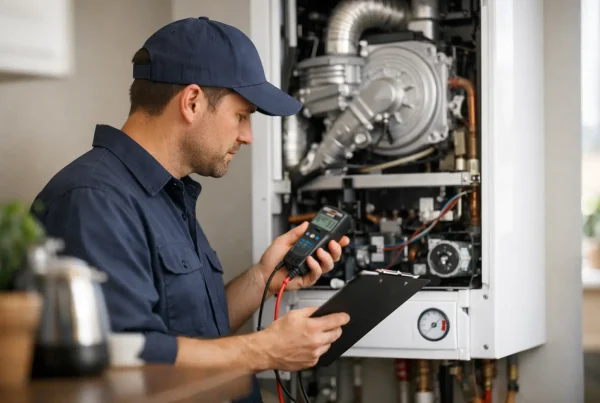
A proper annual service is not just a quick look at the front panel. The engineer will inspect the appliance and its flue, check for safe combustion, test operating pressure, inspect key components where appropriate, and look for leaks, corrosion or warning signs. They will also confirm that the controls and safety devices are working as they should.
The exact work depends on the boiler model and manufacturer instructions. Some boilers need particular checks or cleaning procedures, which is why the service should be completed by a suitably qualified Gas Safe engineer.
A service can identify issues such as a developing leak, poor combustion, sludge affecting the system, a failing pump, low pressure problems or parts beginning to wear out. Finding these faults early may mean a smaller repair rather than a no-heating emergency later on.
However, a service is not a guarantee that your boiler will not fail during the year. Parts can stop working without much warning, particularly on older boilers. If the engineer finds a faulty component, repair work is usually quoted separately unless it is included in an existing plan.
What boiler cover can include
Boiler cover is useful when you want a known regular cost and a route to help if your boiler stops working. But do not assume every policy offers the same protection. Entry-level plans may cover the boiler itself only, while broader plans can include controls, radiators, pipework, drains or general plumbing.
Many plans include an annual service, but some do not. Others include it only after a waiting period or as part of a higher-priced package. Always check whether the service is explicitly included rather than relying on the plan name.
Common inclusions may cover labour and replacement parts following a breakdown. Yet even good cover plans can have limits, including a maximum claim value, an excess per repair, a cap on call-outs, or restrictions on what counts as an emergency.
The exclusions deserve just as much attention. Cover may not pay for pre-existing faults, poor installation, damage caused by sludge, non-standard systems, inaccessible pipework, cosmetic repairs or boilers over a certain age. If a boiler is already unreliable, a provider may require an inspection before offering cover, or may exclude known issues.
When annual servicing is likely enough
For many homeowners, paying for an annual service and arranging repairs as needed is the most straightforward option. This often suits people with a newer boiler, a valid manufacturer warranty, savings available for unexpected repairs, or a system with a good service history.
A new boiler may already have parts and labour protection through its warranty, provided it is installed correctly and serviced every year in line with the manufacturer’s terms. In that situation, additional cover can duplicate protection you already have. Check the warranty paperwork before committing to a monthly plan.
Servicing-only can also make financial sense if you prefer to choose your engineer when something goes wrong. You pay for maintenance once a year, then receive a clear quote if repairs are required. There is no monthly commitment, no claim process and no concern about policy exclusions after the event.
The trade-off is that you carry the risk of a larger repair bill. A failed fan, pump, heat exchanger or printed circuit board can be expensive, particularly when parts are needed urgently.
When boiler cover may be worth the cost
Boiler cover can be reassuring if an unexpected repair would put real pressure on your household budget. A fixed monthly payment may be easier to manage than a large one-off bill, especially where there are children, elderly relatives or tenants relying on dependable heating and hot water.
It can also suit owners of older boilers that are still serviceable but more likely to need repairs. That said, this is exactly where you need to read the terms carefully. Older appliances are more likely to fall outside age limits or have faults excluded as wear and tear, corrosion or a pre-existing condition.
Landlords may value cover because it can provide a defined process for handling tenant reports. Quick action matters when heating or hot water fails, and having a planned route for repairs can reduce disruption. But the landlord still needs to understand the cover limits and keep records of the work completed.
Do not choose cover solely because it promises an emergency call-out. Check the stated response times, whether they apply at weekends and bank holidays, and whether the policy covers a repair or only makes the property safe. A temporary fix may not restore full heating that same day if a part has to be ordered.
Compare the real cost, not just the monthly price
A low monthly figure can look attractive, but it is worth adding up the annual cost, the excess and any call-out charges. Then compare that total with the cost of an annual service plus a realistic repair fund.
Ask practical questions before signing up. Is the annual service included? Is there an excess for every repair? Are replacement parts included? Is your boiler model and age eligible? Are central heating controls, radiators and pipework covered? What happens if the boiler is beyond economical repair?
Also check whether the plan ties you into a minimum term or increases after an introductory period. The cheapest first year is not always the best long-term value.
A landlord service is not the same as a gas safety check
Landlords have legal duties that go beyond keeping the boiler running. A valid annual Gas Safety Record is required for relevant gas appliances and flues in rented homes. This must be completed by a Gas Safe registered engineer.
A boiler service and a landlord gas safety inspection can sometimes be arranged at the same visit, but they are different jobs. A service focuses on maintaining the boiler. A gas safety check confirms that the relevant gas appliances and flues have been checked for safety and records the required information.
Do not assume a boiler cover plan or a standard service automatically meets your landlord obligations. Confirm exactly what certificate or record will be provided and keep it available for tenants.
The sensible choice for your home
If your boiler is newer, covered by warranty and regularly maintained, annual servicing with a repair fund may give you the best value. If you need predictable monthly costs or want additional support when a breakdown happens, boiler cover may be a better fit – provided the policy genuinely covers your system and includes terms you are comfortable with.
Whichever route you choose, do not skip the annual service. It supports safe operation, helps protect warranties and gives an experienced engineer the chance to catch developing faults before they leave you without heating. If your boiler is losing pressure, making unusual noises, leaking or struggling to provide hot water, arrange an inspection now rather than waiting for the next cold spell. For homeowners and landlords in Leeds, GasPlumb can carry out dependable boiler servicing, repairs and gas safety work when you need a clear answer and practical help.