
A boiler that cuts out halfway through a shower, or leaves the radiators cold just as the temperature drops, is more than an inconvenience. If you are asking, “why does boiler keep switching off?”, the answer is usually a fault, pressure issue or control setting that needs checking properly. Some causes are simple to rule out. Others need a Gas Safe engineer before a small problem becomes a full breakdown.
The key is to notice when it switches off. Does it happen only when the heating is on, when you run hot water, or after a few minutes every time? That pattern gives a heating engineer useful clues and can speed up the repair.
Why does a boiler keep switching off during heating?
Boilers are designed to switch on and off as they maintain the temperature set on the thermostat. That is normal. A problem starts when it fires up, runs briefly, then shuts down before the house is warm or the hot water has settled.
One common reason is low system pressure. Most sealed central heating systems should show roughly 1 to 1.5 bar when cold, although the exact range varies by boiler. If the pressure gauge is below the recommended level, the boiler may lock out to protect itself. A leak on pipework, a radiator valve, the pressure relief pipe or inside the boiler can cause recurring pressure loss.
You may be able to repressurise the system using the filling loop if your boiler manual says it is safe to do so. However, if the pressure repeatedly drops, do not keep topping it up and hoping for the best. The system needs finding and repairing the reason it is losing water.
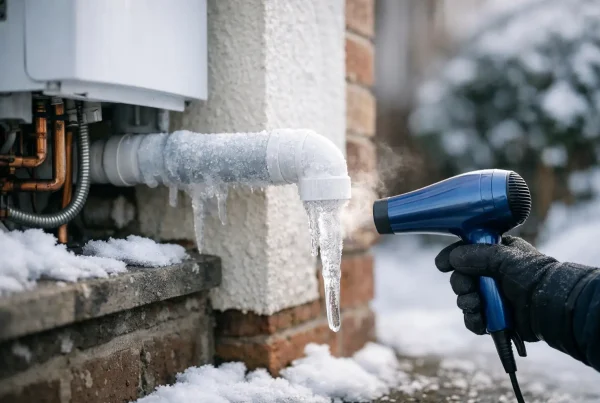
A blocked condensate pipe is another frequent issue, particularly in cold weather. Modern condensing boilers produce acidic water that drains through a plastic condensate pipe. If that pipe freezes or becomes blocked, the boiler can shut down and display a fault code. An external frozen condensate pipe can sometimes be thawed carefully with warm, not boiling, water. If you are unsure where the pipe is, or the fault returns, arrange a repair.
Overheating and poor circulation
A boiler that overheats will switch off as a safety measure. Restricted water flow is often behind this. Sludge in the system, a stuck pump, closed valves or a blocked filter can stop hot water moving around the heating circuit as it should.
Signs of poor circulation include radiators that are cold at the bottom, rooms that heat unevenly, banging or gurgling noises, and a boiler that gets very hot before cutting out. Bleeding a radiator can help if trapped air is the issue, but dark water, persistent cold spots or repeated faults point to a system that needs professional attention. A powerflush is not automatically the answer in every home – the right remedy depends on the condition of the system and the source of the restriction.
Thermostat and control problems can make a boiler cycle
Before assuming the boiler itself has failed, check the heating controls. A room thermostat placed near a radiator, in direct sun or in a draught can read the room temperature incorrectly. That may cause the boiler to shut off too early or fire up and stop repeatedly.
Check that the thermostat is set above the current room temperature and that any programmer is set to the correct day and time. Replace batteries in wireless controls if the display is fading or the connection is unreliable. If you have recently changed settings on a smart thermostat, make sure schedules and holiday mode have not been left active.
Short cycling can also happen when the boiler output is too high for the heat demand, especially in a smaller property or during milder weather. An engineer can check the boiler settings and system design. Turning controls up and down at random rarely fixes the root cause and can make it harder to identify what is happening.
Faulty boiler parts that cause repeated shutdowns
Boilers contain safety devices that stop operation when something is not right. This is why a boiler may appear to switch itself off without warning. The shutdown is often doing exactly what it should, but the component or condition triggering it needs diagnosis.
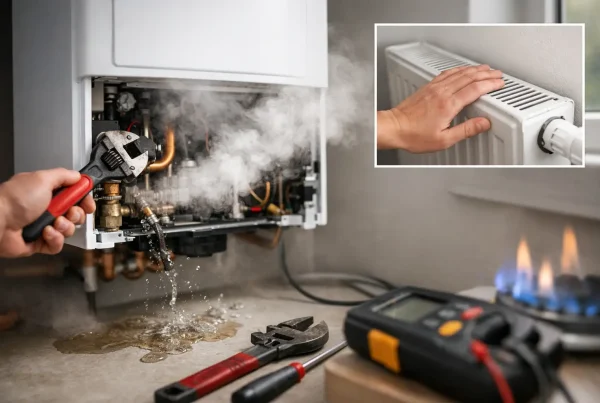
Common causes include a faulty temperature sensor, fan, pump, ignition component, pressure sensor or printed circuit board. A blocked heat exchanger or flue issue can also lead to lockouts. These are not DIY repairs. Removing the boiler case or working on gas appliances without the correct qualification is dangerous and can affect the safety of everyone in the property.
Make a note of any fault code on the display, whether the reset button brings it back temporarily, and what happens immediately before it stops. This information is useful, but avoid repeatedly resetting a boiler that keeps locking out. A reset may clear a one-off interruption, yet frequent lockouts mean the fault has not gone away.
Hot water works, but heating cuts out
If the taps run hot but the radiators do not heat properly, the issue may be with the thermostat, programmer, motorised valve or heating circulation. In a combi boiler, it can also be linked to the diverter valve, which directs heat either to hot water or the central heating circuit.
If the heating works but the hot water keeps stopping, a sensor, flow issue or limescale-related problem may be involved. The symptoms matter, so avoid describing it simply as “the boiler is broken” when booking a visit. Explain which service is affected and when.
Safe checks to make before calling an engineer
There are a few sensible checks that do not involve taking anything apart. Look at the boiler display for a fault code, check the pressure gauge, confirm that the gas supply is on, and make sure the thermostat and programmer are calling for heat. If your prepayment gas meter is in use, check there is sufficient credit.
You can also look outside for an obviously frozen condensate pipe during a cold spell, and check whether the boiler’s electrical supply or fused spur has been switched off. If a radiator needs bleeding, do it only when the system is cool and be prepared to check the pressure afterwards.
Do not remove the boiler casing, interfere with the flue, tamper with internal valves or try to repair electrical components. Those jobs require a Gas Safe engineer.
When a boiler fault is an emergency
Switch off the appliance if it is safe to do so and seek urgent help if you smell gas, suspect carbon monoxide, see scorching around the boiler, or notice a serious water leak. If you smell gas, do not use electrical switches, naked flames or phones inside the property. Open doors and windows, leave the building, and contact the emergency gas service from outside.
A carbon monoxide alarm sounding should always be treated seriously. Get everyone into fresh air, seek urgent medical advice if anyone feels unwell, and arrange for the appliance to be checked before using it again. Headaches, dizziness, nausea and unusual tiredness can be warning signs, but carbon monoxide has no smell, so an alarm is vital.
For a boiler that is simply cutting out with no gas smell or immediate danger, a prompt repair is still worthwhile. Repeated shutdowns can leave you without heating or hot water at the worst time, and ongoing low pressure or circulation issues may cause further damage if ignored.
Preventing your boiler from switching off again
Annual boiler servicing gives an engineer the chance to inspect key safety controls, combustion, the condensate route, pressure and general operation before winter exposes a weakness. It does not guarantee that a part will never fail, but it is the best way to catch developing issues early.
Keep an eye on pressure between services, use the controls as intended and deal with leaks or cold radiators before they become a bigger heating problem. For landlords, regular servicing and a valid gas safety record also help meet legal responsibilities while reducing avoidable callouts.
A boiler that keeps switching off is asking for attention, not endless resets. If the basic checks do not restore reliable heating, a qualified engineer can identify the fault safely and get your home working properly again. GasPlumb provides practical boiler repair and emergency support across Leeds when you need a dependable local response.