When the boiler stops working, the hot water goes cold or a pipe starts leaking under the sink, most people ask the same thing: gas engineer vs plumber – who should you actually call? It is a fair question, because the two trades overlap in some areas, but they are not the same. Getting the right person out first saves time, money and a lot of frustration.
For most households, the simplest way to think about it is this. If the job involves gas appliances, gas pipework or heating components connected to gas, you need a qualified gas engineer. If the job is about water pipes, taps, toilets, waste pipes or general plumbing repairs, you need a plumber. The confusion starts because many companies handle both, and many heating faults affect plumbing and gas systems at the same time.
Gas engineer vs plumber – the real difference
A plumber works on water systems in the home. That includes leaking pipes, dripping taps, blocked wastes, faulty toilets, shower issues, radiator pipework and general plumbing installations or repairs. Their focus is moving water in and out of the property safely and properly.
A gas engineer works on gas appliances and gas-related heating systems. That includes boilers, gas cookers, gas hobs, gas fires and gas pipework. If an appliance burns gas, the person working on it must be legally qualified and registered to do so.
This is the key point that matters most. Not every plumber is a gas engineer. Some plumbers are also fully qualified Gas Safe engineers, but plenty are not. A plumber can be excellent at fixing a leak or replacing a tap and still not be allowed to touch a boiler gas valve, test a gas supply or work on a cooker installation.
That is why credentials matter more than job title. Plenty of customers say “plumber” when they really mean “someone who can fix my boiler”. In practice, boiler and gas work must be done by the right registered professional.
What a plumber usually handles
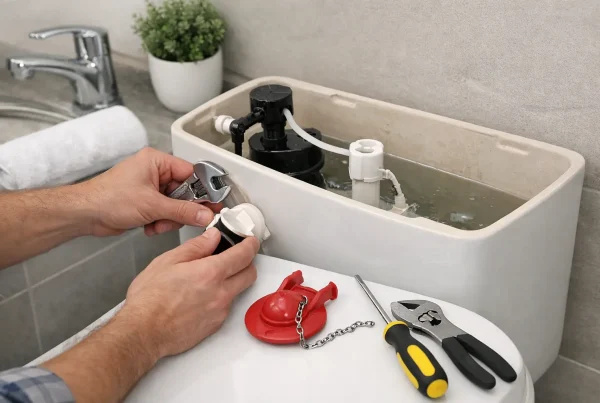
If the issue is clearly water-related, a plumber is usually the right call. A burst pipe, a leaking stop tap, a blocked basin waste or a toilet that will not flush properly sits firmly in plumbing territory.
Plumbers also deal with practical household problems that are not dangerous in the same way as a gas fault, but can still cause real damage if left too long. A small leak behind a washing machine can become a damaged floor. A faulty overflow can stain ceilings. Poor water pressure can make bathrooms and kitchens frustrating to use.
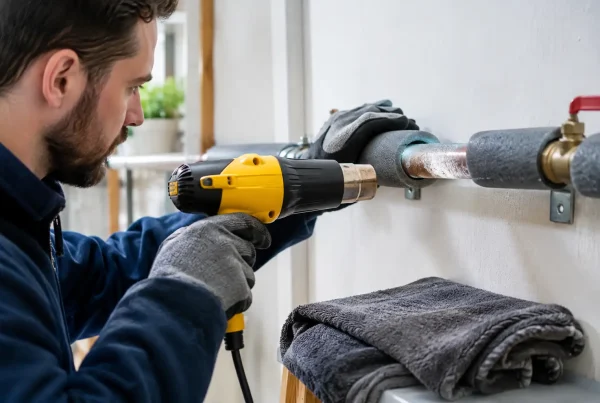
They may also work on parts of a heating system that are water-based rather than gas-based, such as radiator valves, pipework leaks and circulation issues. That said, if the problem leads back to the boiler itself, the job may need a gas engineer instead.
What a gas engineer usually handles
A gas engineer deals with any job where gas safety is part of the work. Boiler repairs, annual boiler servicing, landlord gas safety checks, gas leak investigation and gas cooker installation all fall into that category.
They also diagnose heating faults that homeowners often describe in simple terms like “no heating” or “no hot water”. The underlying issue might be ignition failure, low boiler pressure, a faulty fan, a gas valve problem or another component inside the appliance. These are not general plumbing jobs. They need proper testing, the right qualifications and a safety-first approach.
Gas engineers also work on central heating performance where the boiler, controls or gas supply are involved. If your thermostat is calling for heat but the boiler is not firing, or if your radiators stay cold because the appliance is not operating properly, that is not one for a standard plumber unless they are also Gas Safe-registered.
Where people get caught out
The overlap is where confusion happens. Boilers connect to both water and gas. Radiators are part of a water-based heating circuit, but the system may be powered by a gas boiler. A kitchen installation might involve sinks, pipework and a gas hob in the same room.
This is where an all-in-one provider makes life easier. Instead of calling one tradesperson for the leak, another for the boiler and a third for the controls, you can get one company to diagnose the problem properly and handle the full job. That matters when speed is important, especially if you have no heating, no hot water or a possible gas issue.
A good example is a leaking boiler. Many people assume that because water is dripping, they need a plumber. Sometimes they do. But often the leak is caused by a fault inside the boiler, pressure problems or a failing internal component. In that case, a gas engineer is the right person.
The same applies to radiators that are not heating up. It could be trapped air or balancing, which points to heating system work. It could also be a control fault, pump issue or boiler problem. The symptom sounds simple, but the cause is not always obvious from the outside.
When you definitely need a gas engineer
If you smell gas, suspect a gas leak or have an appliance that is not operating safely, stop guessing and get a qualified gas engineer involved straight away. Gas work is regulated for good reason. Poor workmanship can put people at serious risk.
You also need a gas engineer for boiler servicing, boiler breakdowns, gas hob or cooker installation, gas fire work and landlord gas safety certificates. These are not jobs to hand over to someone who is “handy” or has general plumbing experience.
If a tradesperson is going to work on a gas appliance, ask whether they are Gas Safe-registered. That is not being difficult. It is basic common sense.
When a plumber is the right call
If the problem is a leaking tap, dripping waste pipe, faulty toilet, blocked sink, shower issue or general water pipe repair, a plumber is the right person. These are straightforward plumbing jobs, and there is no reason to pay for gas expertise if gas is not involved.
Plumbing repairs are often less about legal compliance and more about stopping damage, restoring convenience and avoiding larger repair bills later on. A small leak left for weeks can cost far more than dealing with it early.
For landlords and busy homeowners, that speed matters. You do not want minor plumbing issues turning into damaged units, mould or unhappy tenants.
Why the right first call saves money
A lot of wasted call-out time comes from misdiagnosis. Someone arrives, takes a look and then tells you that you actually need a different trade. That means delay, a second appointment and sometimes another fee.
If you are not sure whether the fault is plumbing or gas-related, the best option is usually a company that covers both. That gives you a much better chance of getting the problem solved on the first visit, or at least identified properly without being passed around.
That is especially useful with home heating. Heating systems are not neatly split into one trade in real life. Boilers, controls, radiators, pressure, valves and pipework all affect each other. The fault you notice may not be where the fault begins.
What to ask before booking anyone
Keep it simple. Ask what qualifications they hold, whether they are Gas Safe-registered for gas work, and whether they handle both heating and plumbing if the fault is not obvious. You do not need a technical conversation. You just need confidence that the person turning up can legally and competently do the job.
It also helps to describe the symptom clearly. Say whether you have no hot water, no heating, a visible leak, low boiler pressure, a smell of gas or poor flow from taps. Good engineers can often narrow things down quickly from that first phone call.
If you are in Leeds and want to avoid the hassle of juggling trades, GasPlumb covers gas, heating and plumbing work under one roof. That means fewer delays and a better chance of getting your home back to normal without the runaround.
Gas engineer vs plumber – the short answer
If it is water in, water out or a general plumbing repair, call a plumber. If it involves a boiler, gas appliance, gas supply or gas safety, call a gas engineer. If it could be either, choose a company that does both and can sort it properly.
The main thing is not to leave faults hanging around while you work out the job title. Cold radiators, leaks and boiler problems rarely improve by themselves, and gas concerns should always be treated seriously. The right help, at the right time, makes all the difference.