
One of the most common heating problems we get asked about is low boiler pressure causes. It usually starts the same way – the heating feels weak, the boiler pressure gauge has dropped, or the boiler locks out and leaves you with no hot water or heating when you need it most.
Low pressure is not always a major fault, but it should not be ignored. Sometimes it is a simple top-up job. Other times, it points to a leak, a worn part or a heating system issue that needs proper attention. The key is knowing the difference before a small problem turns into a breakdown.
What boiler pressure should look like
Most domestic boilers work best when the pressure sits around 1 to 1.5 bar when the system is cold. When the heating is on, it may rise a little. That is normal. If it drops much below 1 bar, many boilers start to struggle. If it falls too low, the boiler may shut itself down as a safety measure.
The pressure gauge is usually on the front of the boiler. On some models it is a dial, and on others it is shown on a digital display. If the needle is in the red or the display shows very low pressure, the system needs checking.
The most common low boiler pressure causes
There is no single answer because several faults can lead to pressure loss. Some are straightforward. Some need a Gas Safe engineer to diagnose and repair.
A leak somewhere on the heating system
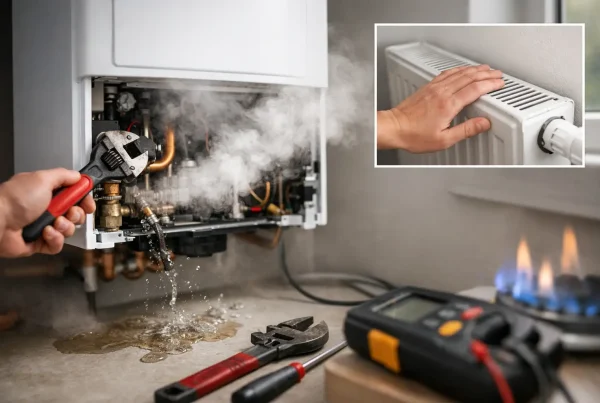
This is one of the biggest low boiler pressure causes. If water is escaping anywhere in the sealed heating system, the pressure will fall over time. The leak might be obvious, such as water dripping from a radiator valve or pipe joint. It can also be hidden under floorboards, behind walls or in pipework you rarely see.
A small leak may not leave a huge puddle. Instead, you might notice staining, a damp patch, rust marks around radiator valves, or the need to top the pressure up more than once. If you keep repressurising without fixing the leak, the problem will keep coming back.
Bleeding radiators
If you have recently bled your radiators to remove trapped air, the boiler pressure may drop afterwards. That is because releasing air from the system changes the internal pressure. This is often normal, especially if several radiators have been bled.
In that case, topping the system back up may be all that is needed. But if radiators need bleeding again and again, there may be another fault allowing air into the system, or there may be a slow leak somewhere.
A faulty pressure relief valve
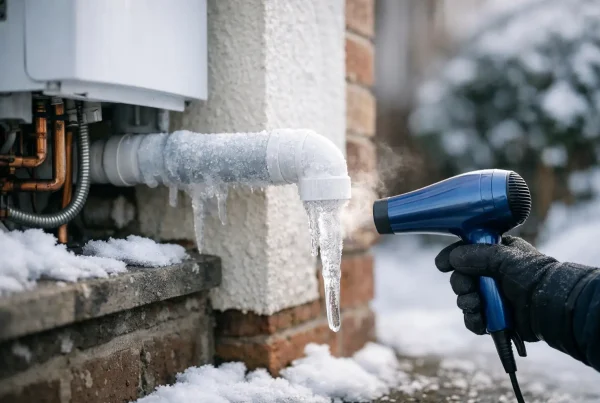
The pressure relief valve is there to protect the boiler if the pressure gets too high. If that valve starts passing water when it should not, pressure can gradually drop. Sometimes the discharge pipe outside the property gives the game away. You may notice drips or intermittent water flow from the pipe.
This is not a part to guess at. If the relief valve is faulty, it needs proper repair or replacement. Topping the system up over and over will not solve it.
Problems with the expansion vessel
The expansion vessel helps the boiler manage changes in pressure as the system heats up and cools down. If the vessel loses its air charge or fails, the boiler pressure can behave oddly. A common pattern is this: pressure rises too high when the heating is on, then drops too low when the system cools.
This fault can look confusing because the pressure is not just low – it swings up and down. If that is happening, the boiler needs an engineer’s assessment.
Recently carried out work on the system
If a radiator has been replaced, pipework altered, or the boiler serviced and drained down, pressure loss may simply be due to the system needing repressurising correctly afterwards. That is not unusual. Even so, if the pressure continues to fall after the work is complete, something has not been left quite right.
A failed filling loop or valve issue
The filling loop is used to add water back into the system and raise the pressure. If the valves are not operating correctly, or if the loop has another issue, you may struggle to get the pressure back up. In some cases, the problem is not the pressure dropping for a mysterious reason but the top-up system failing when you need it.
Internal boiler faults
Some pressure problems start inside the boiler itself. Worn seals, internal leaks or faulty components can all affect pressure. These faults are not for DIY repair. If there are signs of water inside or underneath the boiler casing, leave it alone and get it checked properly.
Signs the pressure problem is more than a quick top-up
A one-off drop in pressure is not always serious. If you have bled radiators recently and the boiler works normally after topping up, it may just be routine.
What matters is the pattern. If you are repeatedly adding pressure, there is a reason. If the boiler loses pressure every few days or every week, do not treat that as normal wear and tear. It points to an ongoing fault, and leaving it too long can put more strain on parts and increase the chance of a full breakdown.
Other warning signs include gurgling radiators, cold spots, visible leaks, banging noises from the boiler, water from the outside discharge pipe, or a pressure gauge that rises sharply when the heating comes on and then crashes back down later.
Can you top the boiler pressure up yourself?
In many homes, yes. Most modern combi and system boilers have a filling loop that allows you to repressurise the system. The exact method depends on the boiler model, so the manufacturer’s instructions matter.
As a general rule, you add water slowly until the gauge reaches the recommended range, then close the valves fully. Overfilling the system can create a different problem, so do not rush it. If you are not confident, it is better to get help than to force a valve or leave the loop open by mistake.
The important point is this: topping up is only a short-term fix if pressure keeps dropping. It restores operation, but it does not explain why the pressure was low in the first place.
When to call an engineer
If the boiler has lost pressure once after bleeding a radiator, you may just need to repressurise it. If the issue returns, it is time for a proper check.
You should also call an engineer if you can see leaks, if the boiler is locking out, if the pressure keeps fluctuating, or if you suspect a faulty relief valve or expansion vessel. The same applies if you are dealing with an older boiler and the pressure issue seems tied to several other heating problems.
For landlords, repeated pressure loss should be dealt with quickly. Tenants tend to notice the heating issue before anything else, and small boiler faults have a habit of becoming urgent at the worst time.
How to reduce the risk of low pressure problems
The best protection is regular servicing and dealing with small heating issues early. A boiler service will not prevent every fault, but it does give you a better chance of spotting wear, poor pressure behaviour and system issues before they leave you without heating.
It also helps to keep an eye on the pressure gauge now and then, especially after bleeding radiators or having any heating work done. You do not need to inspect it every day, but knowing what is normal for your system makes it easier to spot trouble early.
If a radiator valve is weeping slightly or a pipe joint looks suspect, get it checked. Small leaks are easy to put off because they do not seem urgent. In practice, they are one of the main reasons pressure keeps disappearing.
Don’t ignore repeated low pressure
Low boiler pressure causes range from routine system changes to faults that need repair, and that is why guessing is risky. Some homeowners top the boiler up again and again for months. It keeps the heating running, but it also delays the actual fix.
A dependable heating system should not need constant attention. If your boiler pressure keeps dropping, treat it as a warning sign, not an inconvenience to work around. Getting the cause sorted early is usually quicker, cleaner and less costly than waiting for a complete failure.
If you are in Leeds and the pressure keeps falling, GasPlumb can diagnose the fault, carry out repairs and get your heating back to proper working order. A fast check now is far better than a cold house later.
If your boiler is losing pressure and you are not sure whether it is a simple top-up or something more, trust the pattern – once is manageable, repeated pressure loss needs looking at.