
You notice the radiators are taking longer to warm up, the hot water is not quite right, and then you look at the boiler gauge. The reading has dropped again. Boiler pressure dropping reasons are usually straightforward, but they do need dealing with properly before a small fault turns into a full breakdown.
In many homes, low boiler pressure starts as an annoyance and then becomes a repeat problem. You top it up once, it works for a bit, then the pressure falls again. That pattern matters. A one-off drop can happen after bleeding radiators or minor system changes. If it keeps happening, there is usually an underlying fault somewhere in the heating system.
Common boiler pressure dropping reasons
The most common reason is a leak. That does not always mean water pouring through the ceiling or a puddle under the boiler. Often, the leak is slow and easy to miss. It might be coming from a radiator valve, a pipe joint under floorboards, or a small weep from the boiler itself. Even a minor loss of water over time can reduce system pressure.
Another regular cause is recently bled radiators. When air is released from the system, pressure often drops afterwards because water volume and system balance have changed. If you have bled several radiators and not topped the boiler back up, low pressure can simply be the result of routine maintenance. That said, if radiators need bleeding over and over, there may be a separate issue allowing air into the system.
A faulty pressure relief valve can also be to blame. This safety part is designed to release water if the system pressure gets too high. If it has lifted in the past and not sealed properly afterwards, it may keep letting small amounts of water out. Homeowners do not always spot this because the water is discharged externally through a copper pipe.
Then there is the expansion vessel. This component helps the system handle changes in pressure as water heats and cools. If the vessel loses its charge or fails, the pressure can rise when the heating is on and then fall back too far when it cools. In practice, that often looks like a boiler that keeps needing topped up even though there is no obvious leak.
Older boilers and older heating systems are more likely to develop this sort of problem, but age is not the only factor. Poor installation, lack of servicing, or worn seals and valves can all lead to pressure loss.
Why boiler pressure dropping reasons are not always obvious
One of the trickier parts of diagnosing low pressure is that the fault is not always where you expect it. The boiler may appear to be the problem, but the actual cause might be elsewhere in the heating system. A pinhole leak in a hidden pipe run, for example, can slowly lower pressure without leaving visible signs straight away.
It also depends on when the pressure drops. If it falls gradually over weeks, that points more towards a slow leak or valve issue. If it drops soon after topping up, the problem is likely more active. If pressure rises sharply when the heating comes on and then falls low when it cools, the expansion vessel becomes a stronger suspect.
That is why guessing rarely saves time or money. Topping the pressure up again and again may get the heating running temporarily, but it does not fix the actual fault. In some cases, repeated topping up can make things worse by introducing fresh oxygen into the system, which can increase internal corrosion over time.
What you can check yourself
There are a few sensible checks a homeowner or landlord can make before calling an engineer. Start with the pressure gauge. On most domestic systems, the normal cold pressure is usually around 1 to 1.5 bar, though the correct range can vary slightly by boiler make and model.
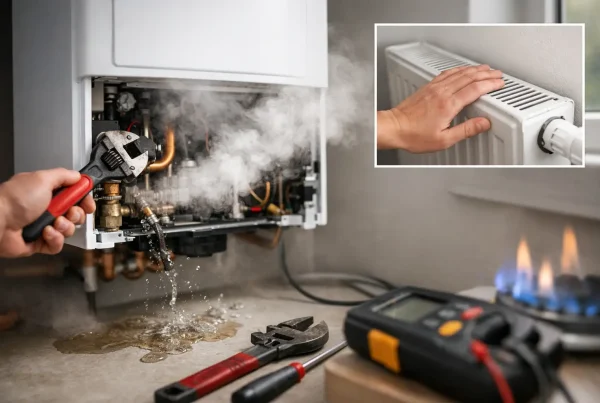
Look around the boiler, radiators and visible pipework for signs of water. Check radiator valves, especially near the floor. Feel around joints carefully and look for staining, damp patches or marks on skirting boards and carpets. Sometimes the clue is not active dripping but dried residue where water has been escaping slowly.
If you have recently bled radiators, that may explain a drop. In that case, repressurising the system may be all that is needed. If the boiler pressure then stays stable, it was likely a one-off issue. If it falls again, there is more going on.
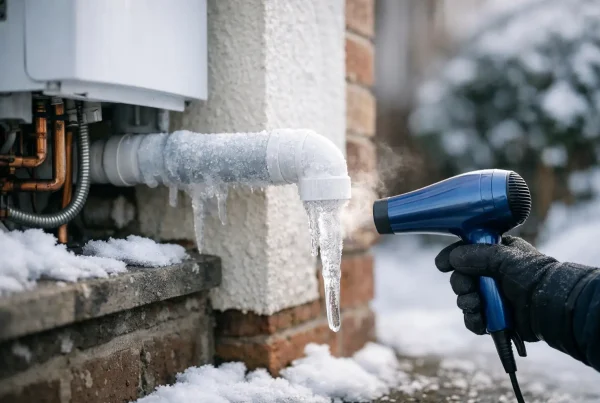
You can also look outside for the boiler overflow or discharge pipe. If water is dripping from a copper pipe through the wall, especially after the heating has been on, that can point towards a pressure relief valve or expansion vessel fault.
What you should not do is keep resetting the boiler and topping it up indefinitely without finding the cause. That turns a repair into guesswork.
When low boiler pressure means you need an engineer
If the pressure keeps dropping, you need the system checked properly. The same applies if you can see a leak, the boiler is locking out, or the heating and hot water are unreliable. Boilers are not appliances to take chances with. Pressure issues can involve sealed system components, safety valves and internal parts that need professional attention.
For landlords, there is an added reason not to leave it. Tenants without heating or hot water want a fast fix, and repeated low-pressure problems can quickly turn into complaints, callouts and larger repair costs. A proper diagnosis at the first sign of a pattern is usually the cheaper route.
In some cases the fix is simple. It could be a leaking radiator valve or a filling loop left passing slightly. In others, it may involve replacing a faulty expansion vessel, recharging it correctly, repairing internal boiler components, or tracing a hidden leak in the system. Until it is checked, you are only guessing.
The most likely faults behind repeated pressure loss
Leaks remain the main cause, but there are a few repeat offenders engineers see regularly. One is a worn pressure relief valve. Once debris or wear stops it sealing properly, it can continue to lose water in small amounts. Another is an expansion vessel that has lost pressure on the air side, which upsets the system every time it heats and cools.
Heat exchanger faults can also cause pressure issues, though this is less common and more serious. Depending on the boiler, internal leaks may show as staining or dripping beneath the casing. This is not a repair for a DIY attempt.
Sometimes the issue is linked to recent work on the system. New radiators, valve replacements, pipe alterations or even previous repairs can leave joints that start weeping later. It is not always an immediate failure. A heating system expands and contracts daily, and a weak point may only show after repeated use.
Can you still use the boiler?
That depends on how low the pressure is and why it is dropping. If the gauge is only slightly low and the system is otherwise working, repressurising may get you going short term. If the pressure is near zero, the boiler keeps cutting out, or there are visible leaks, stop pushing your luck and get it checked.
Using a boiler with an unresolved pressure fault is rarely a good idea. Best case, you lose heating and hot water at the wrong time. Worst case, you miss a more serious fault and end up with bigger repair work than was necessary.
How to reduce the risk of pressure problems
Regular servicing helps. A proper annual boiler service gives an engineer the chance to spot worn components, discharge issues and early signs of leaks before they become breakdowns. It also means the system is being checked by someone who knows what normal operation should look like.
Keeping an eye on the pressure gauge now and then is sensible as well. You do not need to stare at it every day, but if you notice the heating is not performing as it should, it is one of the first things worth checking.
If you have had to top the pressure up more than once, treat that as a warning sign rather than routine. Sealed heating systems do not normally lose pressure for no reason.
For homeowners and landlords in Leeds, quick action matters most. A pressure problem caught early is often a straightforward repair. Left too long, it can lead to boiler lockouts, damaged parts and unnecessary inconvenience.
If your boiler pressure keeps falling, trust the pattern. Boilers do not keep losing pressure by chance. Get it looked at properly, get the cause sorted, and you are far more likely to keep the heating working when you need it most.