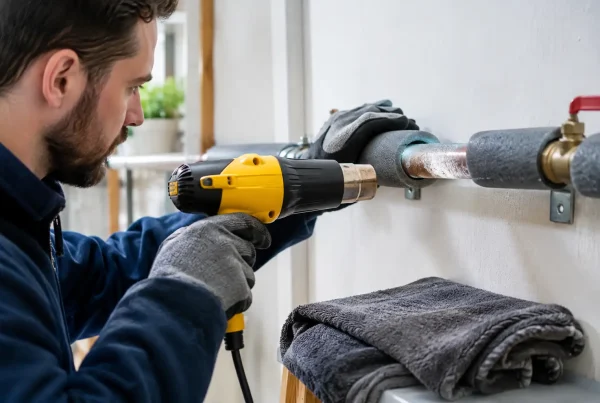
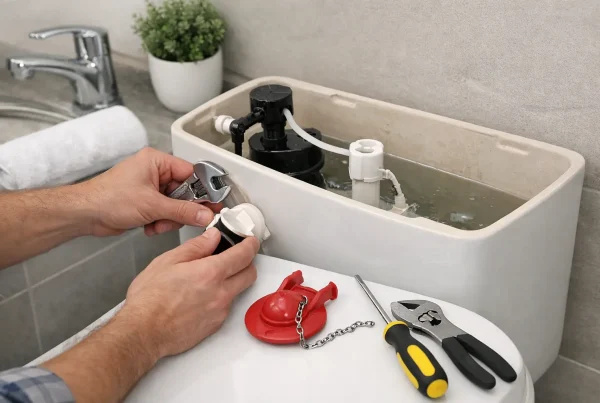
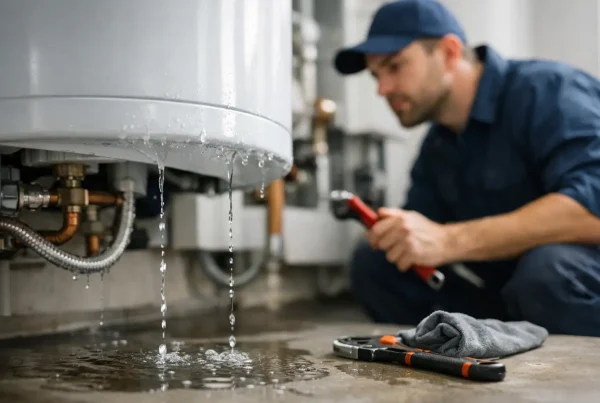
A burst pipe at 10pm, a boiler that has stopped on a freezing morning, or water coming through the ceiling needs a quick, calm response. This guide to emergency plumbing callouts explains what counts as urgent, what you can safely do before help arrives and when waiting until normal hours could cost more in damage, disruption and risk.
An emergency plumber is there to make your property safe, stop the immediate problem getting worse and get essential services working where possible. That may mean isolating a leaking pipe, repairing a failed boiler part or finding the cause of a serious blockage. The right response depends on the fault, but acting early is usually cheaper than dealing with soaked ceilings, damaged flooring or a heating-free home.
What counts as a plumbing emergency?
Not every drip needs an out-of-hours visit. A slow leak under a sink that can be caught in a bowl may be inconvenient, but it is often safe to book during working hours. An emergency is a fault that creates an immediate risk to people, the property or essential services.
Call for urgent help if you have a burst pipe, a leak that cannot be contained, water near electrics, sewage backing up into the house, or a toilet overflowing with no other usable toilet in the property. A complete loss of heating or hot water can also justify an emergency callout, particularly where there are young children, elderly residents or vulnerable people in the home during cold weather.
Boiler faults need sensible judgement. A boiler showing a fault code but leaving you with some heating may be able to wait until the next available appointment. A boiler leaking heavily, repeatedly losing pressure, making unusual banging noises or leaving the household without heat in winter needs faster attention. Never remove the boiler casing or attempt a repair yourself.
Gas problems are an emergency of their own
If you can smell gas, suspect a gas leak or hear hissing near a gas appliance, do not treat it as a standard plumbing job. Put out naked flames if it is safe to do so, do not smoke and do not operate electrical switches, plugs, doorbells or appliances. Open doors and windows if you can do so safely, leave the property, and call the National Gas Emergency Service on 0800 111 999.
Do not go back inside until you have been told it is safe. Any follow-up work on a gas appliance, boiler or gas pipe must be carried out by a Gas Safe registered engineer. A carbon monoxide alarm sounding, or symptoms such as headaches, nausea, dizziness or breathlessness around a gas appliance, also need immediate action. Get outside into fresh air and seek urgent advice.
What to do before an emergency plumbing callout
The first few minutes matter. You do not need to diagnose the fault, but taking simple safe steps can reduce the damage and help the engineer get straight to work on arrival.
If water is escaping, turn off the internal stopcock if you know where it is. It is commonly found under the kitchen sink, near the front door, in a utility room or where the mains water pipe enters the property. Turn it clockwise to shut off the incoming water. Open a cold tap afterwards to relieve pressure in the pipes.
For a leak from a toilet, basin or washing machine hose, there may be a small isolation valve on the pipe serving that appliance. Turning off only that supply can keep the rest of the house running. Do not force stiff valves, especially on old pipework. If it will not move easily, use the main stopcock instead.
Water near sockets, light fittings, consumer units or electrical appliances needs extra care. Avoid touching anything electrical in the affected area. If you can safely reach the consumer unit without walking through water, switch off the relevant circuit or the main power supply. If you are unsure, keep clear and tell the emergency engineer exactly where the water has travelled.
Move belongings, rugs and furniture away from the leak where it is safe to do so. Use towels, buckets or a washing-up bowl to catch water, but do not climb onto chairs or enter a ceiling space to investigate. A bulging ceiling may be holding a large amount of water and can fail without warning. Keep everyone out of that room.
For boiler breakdowns, check the simple basics only: whether the boiler has power, whether the heating controls are turned up and whether other gas appliances appear to be working. Take a photo of any fault code on the display. Do not repeatedly reset the boiler, tamper with valves or repressurise it unless you have been specifically shown how and the manufacturer instructions say it is appropriate.
What an emergency plumber needs to know
Clear information helps get the right engineer, parts and level of urgency to your door. When you call, explain what has happened, when it started and whether water, heating, hot water or drainage is affected. Mention if you have isolated the water supply, if water is close to electrics, and whether anyone in the property is vulnerable.
It is useful to say where the problem is located, such as under the kitchen sink, at the boiler, in an upstairs bathroom or through a downstairs ceiling. If it is a boiler issue, have the make, model and fault code to hand if possible. Photos and short videos can help, but never delay calling in order to take them.
For landlords and property managers, confirm whether the occupier has access to the stopcock and consumer unit, and whether the affected appliance serves more than one flat. Keep a record of the report, attendance and repair. This is practical for maintenance planning and may be important where a gas safety issue or significant water damage is involved.
What happens during an emergency callout?
A good emergency callout starts with making the situation safe. The engineer will assess the immediate risk, isolate water, gas or heating components where needed, identify the source of the fault and explain the practical options. In some cases, the permanent repair can be completed on the first visit. In others, the priority is to stop the leak, restore safe use or provide a temporary repair until a specific part is available.
That is not a poor outcome. Older boilers, hidden pipework and severe drainage faults can require parts, further testing or access work that is not sensible to rush. A straightforward explanation of what has failed, what has been done and what needs to happen next is what you should expect.
Emergency work can cost more than a planned appointment because it requires rapid attendance outside normal hours. The trade-off is often clear: paying for an urgent repair may prevent far greater costs from damaged plaster, flooring, kitchen units or belongings. Ask about the callout charge, labour and likely parts costs before work begins where the situation allows it.
Avoiding the next out-of-hours problem
Many callouts start with a small issue that was easy to put off. A boiler losing pressure every few weeks, a radiator that never warms properly, a dripping overflow pipe or a tap that has begun to leak all deserve attention before they become urgent.
Annual boiler servicing helps spot worn components, poor combustion, pressure problems and developing faults before the heating fails. It is particularly worthwhile before winter, when boilers work hardest and emergency availability is in greater demand. Landlords should also keep gas safety checks up to date and act quickly on tenant reports of boiler or gas appliance concerns.
Find your stopcock now, make sure responsible adults in the home know where it is, and check that it can turn without force. Keep the area around the boiler accessible and avoid boxing in valves or pipework behind stored items. These small jobs make a real difference when a fault happens at the worst possible time.
When water is spreading, heating has failed or you are worried about a gas appliance, do not wait for the problem to prove itself. Get safe first, isolate what you can safely isolate, and call a trusted local engineer for immediate help. GasPlumb provides practical emergency plumbing, heating and Gas Safe support for homes and landlords across Leeds when a problem cannot wait.