
A hidden leak rarely starts with water pouring through the ceiling. More often, it begins with a faint musty smell in the cupboard, a patch of paint that will not dry out, or a water bill that has crept up for no obvious reason. Knowing how to detect hidden pipe leaks can help you act before damp damages plaster, flooring, units or the structure of your home.
Many leaks sit behind kitchen units, under floorboards, inside boxed-in pipework or beneath a concrete floor. They can run unnoticed for weeks. The key is not to guess where the water is coming from, but to look for the signs, rule out the simple causes and call a plumber before the damage spreads.
Start with the warning signs around the house
Water follows gravity, but the stain you can see is not always directly below the leak. A pipe leaking under an upstairs floor may show up on a downstairs ceiling several feet away. Equally, water from a leaking shower seal can look very similar to a burst pipe. Take note of when the problem appears and what is happening in the house at the time.
Common signs of a concealed plumbing leak include a persistent damp or earthy smell, peeling paint or wallpaper, discoloured patches on ceilings or walls, bubbling plaster, warped skirting boards and flooring that feels soft or lifts at the edges. In a kitchen, check the base of sink units and the floor around the washing machine or dishwasher. In bathrooms, look around the toilet base, bath panel and vanity unit.
A cold patch on a wall can be another clue, particularly in winter. However, it may also be caused by condensation or poor insulation. A leak is more likely if the patch is damp to the touch, spreading, stained, or paired with a musty smell.
Do not ignore mould appearing in one localised area, especially if it returns soon after cleaning. Surface condensation tends to affect colder areas such as window reveals and outside walls. Mould caused by a leak is often concentrated around the route of pipework or the area where water has collected.
How to detect hidden pipe leaks with your water meter
Your water meter can provide a useful first check if you suspect a leak on the mains water supply. It will not identify a leak in every part of your plumbing system, but it can show whether water is being used when no taps or appliances are running.
First, make sure nobody uses water for a short period. Turn off taps, avoid flushing toilets and make sure the washing machine, dishwasher and boiler are not filling. Check the meter reading, or note the small flow indicator if your meter has one. Leave the water off for 30 to 60 minutes, then check again.
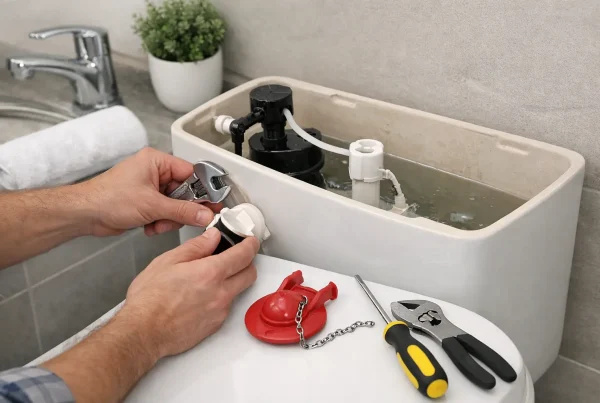
If the meter has moved, water may be escaping somewhere between the meter and your taps. Before assuming it is a hidden pipe leak, check obvious causes. A toilet with a faulty flush valve can silently refill and waste a surprising amount of water. An outside tap, water softener or appliance may also be responsible.
If the meter continues to move after these checks, arrange for a plumber to investigate. The sooner this is dealt with, the less likely you are to face damage to floors, walls and fitted furniture.
Check water pressure, boiler pressure and hot water behaviour
A drop in water pressure can point to a leak, but it depends on the type of system you have. If only one tap has poor flow, the issue may be a blocked aerator, a faulty tap or a local restriction. If several cold taps have lost pressure, there may be a supply issue or a larger leak.
For homes with a sealed central heating system, keep an eye on the pressure gauge on the boiler. A gradual pressure drop that means you regularly need to top up the system can indicate a leak in heating pipework, a radiator valve, the boiler itself or another system component. Do not keep repressurising it without finding the cause. Repeatedly adding fresh water can contribute to internal corrosion and may make a small fault more costly over time.
Look carefully at radiator valves, exposed heating pipes and the boiler area for signs of moisture. If nothing is visible but pressure keeps falling, the leak may be beneath the floor or within a wall. A heating engineer can test the system and narrow down the fault without ripping up rooms unnecessarily.
A leak from a hot-water pipe may also make itself known through inconsistent hot water. You might hear the boiler running more often than usual, find that hot water takes longer to reach a tap, or notice a warm patch on the floor where heating pipes run. These signs need investigation, but they are not proof on their own. Faulty controls, circulation issues and insulation problems can produce similar symptoms.
Pay attention to unexplained sounds and smells
When the house is quiet, listen near boxing, under sinks and around bathrooms for a faint hiss, drip or rushing sound. Water moving through pipes is normal when a tap is in use. Hearing it when everything is switched off is not.
A damp smell is another useful warning, particularly in cupboards, under stairs, behind furniture or in rooms that are normally well ventilated. Move stored items away from walls and inspect the area rather than masking the smell with air freshener. Damp materials can deteriorate quickly, and mould can affect indoor air quality.
Never mistake a possible water leak for a gas issue. If you smell gas, hear hissing near a gas appliance or pipe, or suspect a gas leak, do not investigate it yourself. Avoid switches and naked flames, ventilate the property if safe to do so, leave the building and seek urgent qualified help.
Rule out leaks from appliances, roofs and seals
Not every damp patch is caused by pipework. This matters because the correct repair depends on the source. A roof leak may worsen after rain, while a plumbing leak may show regardless of the weather. Damp that appears after showers often points to failed sealant, grout, a leaking waste pipe or water escaping around a tray or bath.
Check appliance hoses and connections carefully, but do not pull out heavy appliances if doing so could damage a pipe or cable. Look for small pools, rust marks, swollen unit panels or drip trails. A slow leak from a washing machine valve can soak into a floor without creating a large visible puddle.
Outside, inspect overflow pipes. A constant drip from a boiler condensate pipe, pressure relief pipe or cistern overflow should not be ignored. It may not be a concealed pipe leak, but it still needs attention and can waste water or indicate a fault.
What to do when you find a suspected leak
If water is actively escaping, act quickly. Turn off the stopcock if you can do so safely and know where it is. It is usually located under the kitchen sink, in a utility room, near the front door or where the water supply enters the property. Then turn off electricity at the consumer unit only if water is close to sockets, wiring or electrical equipment and it is safe to reach it.
Use towels or containers to limit the spread, move valuables away from the area and take clear photos for your records. Do not cut into walls, lift floors or remove boiler covers in an attempt to find the leak. That can create extra damage, expose services or make an insurance claim harder to evidence.
For a slow leak with no immediate flooding, avoid using the affected fixture where possible and book a professional inspection promptly. GasPlumb can assess suspected plumbing and heating leaks in Leeds, identify the likely source and advise on the most sensible repair before unnecessary damage is done.
Why professional leak detection is often the better option
Finding a leak is not always about seeing water. Experienced engineers combine visual checks with pressure testing, moisture readings and an understanding of how plumbing systems are routed through a property. In some cases, specialist leak detection methods can reduce the need to remove large sections of flooring or plaster.
There is a trade-off. A visible leak beneath a sink may only need a straightforward repair, while a leak under a solid floor or in central-heating pipework can require more investigation. Getting a proper diagnosis first helps prevent paying for the wrong work, such as replacing sealant when the real fault is a failed pipe joint behind the wall.
If a damp patch is growing, your meter is moving when no water is being used, or your boiler pressure keeps falling, do not wait for a bigger failure. A quick call for a professional check is usually far less disruptive than dealing with a collapsed ceiling, damaged kitchen units or a flooded floor.