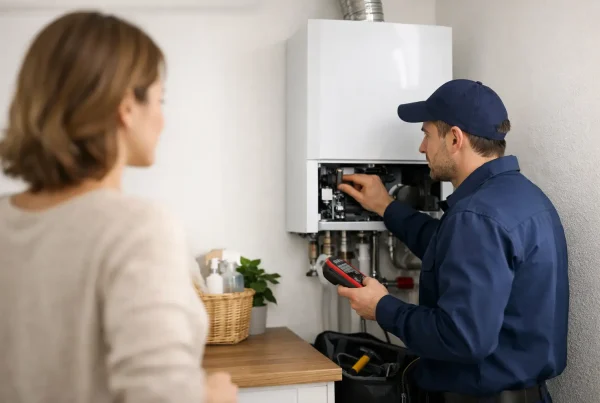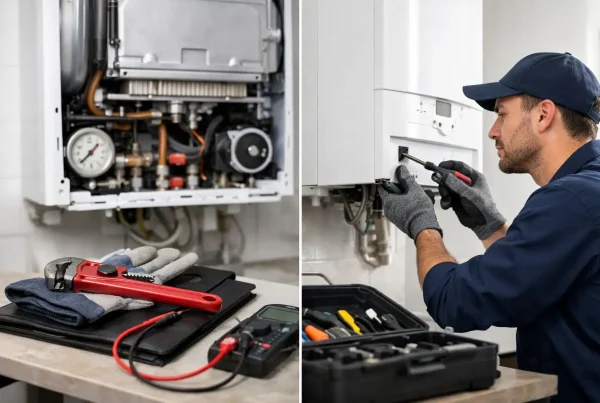

A boiler never seems to break down at a convenient time. It is usually early morning, a cold evening, or right before guests arrive. When that happens, the first question most people ask is simple – how much is this going to cost? Boiler repair costs UK homeowners face can range from a fairly small fix to a bill that makes a replacement worth considering.
The trouble is, there is no single price that covers every job. A leaking part, a faulty fan and a full heat exchanger issue are all very different repairs. The boiler’s age, make, condition and whether it needs parts all affect the final figure. If you know what usually drives the cost, you are far less likely to get caught out.
Typical boiler repair costs UK households can expect
For a minor boiler repair, many households will pay somewhere between £80 and £150. That might cover a straightforward fault such as replacing a small component, repressurising the system properly after diagnosing a leak issue, or fixing an ignition-related problem. If the engineer can solve it on the first visit without major parts, the cost usually stays at the lower end.
For a more involved repair, prices often land between £150 and £350. This is where you start to see costs for parts such as pumps, fans, motorised valves or printed circuit boards. Labour time can also increase if the fault takes longer to diagnose or the boiler needs partial strip-down work.
For major repairs, it is not unusual to see costs from £350 upwards, and in some cases over £600. Heat exchanger faults, repeated breakdowns on older boilers, and jobs involving expensive manufacturer-specific parts can quickly push the price up. Once the bill gets into that territory, it is sensible to compare the repair cost against the age and reliability of the boiler.
Emergency callouts can add more. If you need an engineer out in the evening, at the weekend or during severe winter demand, expect the rate to be higher than a standard weekday appointment.
What affects boiler repair costs UK prices most?
The fault itself is the biggest factor. Some problems are simple to identify and quick to fix. Others involve a chain of issues. A boiler that locks out because of low pressure might need only a minor correction, but if the pressure keeps dropping because of a hidden leak or a failing expansion vessel, the job becomes more involved.
Parts make a big difference too. A standard component on a common boiler model is usually easier and cheaper to source than a specialist part for an older or less common appliance. If the manufacturer has discontinued parts, costs can climb fast or repair may not be practical at all.
Labour is another part of the bill. Good engineers do not just swap parts and hope for the best. They diagnose the fault properly, test the boiler safely and check the system is working as it should before leaving. That takes time, and with petrol appliances it needs to be done correctly.
Your location and timing matter as well. Rates can vary by region, and urgent callouts usually cost more than booked work. In winter, when engineers are dealing with a high volume of no-heat and no-hot-water jobs, availability can tighten and emergency pricing becomes more common.
Common repairs and rough price ranges
Some faults show up again and again. A faulty thermostat or heating controls issue may cost less than a major internal boiler component, especially if the boiler itself is fine and the problem is in the controls. Ignition and flame-sensing faults often sit in the lower to middle price range, depending on whether cleaning, adjustment or part replacement is needed.
A new pump, fan or diverter valve tends to cost more because the parts are more expensive and fitting can take longer. Printed circuit boards can be particularly pricey, especially on modern boilers. If the PCB has failed, the total bill may be uncomfortable but still worth paying on a fairly young boiler.
Pressure-related problems vary a lot. If the issue is simply repressurising and checking the system, the cost may be modest. If there is a leak in pipework, a failed pressure relief valve or a problem with the expansion vessel, the job can become more expensive.
Then there are repairs that often trigger the replacement conversation. A heat exchanger fault is the classic example. It is one of the more expensive parts to replace, and on an older boiler it can be hard to justify.
Repair or replace?
This is where boiler repair costs stop being just about the repair. They become part of a wider decision. A £200 repair on a five-year-old boiler that has otherwise been reliable is usually easy to justify. A £500 repair on a 12 to 15-year-old boiler that has had repeated faults is a different matter.
As a rough guide, if the repair bill is getting close to half the value of a sensible replacement, it is worth pausing before going ahead. The same applies if parts are difficult to source or the boiler has become unreliable enough that you no longer trust it through winter.
Efficiency matters too. Older boilers may still run after repair, but they can cost more to operate. That does not mean every old boiler should be scrapped at the first fault. It does mean the cheapest short-term option is not always the cheapest over the next few years.
A decent engineer will be straight with you. If a repair is worth doing, they should say so. If you are about to spend good money on a boiler nearing the end of its life, they should say that too.
How servicing affects repair costs
Regular servicing does not prevent every breakdown, but it can help catch problems earlier. A worn seal, blocked condensate trap, weak ignition component or pressure issue can often be picked up before it turns into a complete loss of heating and hot water.
That matters because smaller issues are generally cheaper to sort. It also helps keep the boiler running safely and efficiently. Skipping annual servicing might save money for now, but it can lead to higher repair costs later, especially if a fault develops unnoticed and puts strain on other parts.
For landlords, there is an additional angle. Delayed repairs and poor maintenance can create bigger problems for tenants, more disruption and more pressure to fix things urgently. Urgent jobs nearly always cost more than planned ones.
Getting a fair price without cutting corners
It is understandable to want the lowest quote when the boiler has packed in. But boiler work is not the place to chase the cheapest option if it means poor diagnosis or unsafe work. Petrol appliances must be worked on by a properly qualified Petrol Safe engineer. That is not a bonus. It is the starting point.
A fair quote should reflect diagnosis, labour, parts and proper testing. If a price seems very low, ask what is actually included. Some quotes cover only the callout, with extra charges for labour and parts added later. Others may not allow for the fault taking longer than expected.
It is also worth asking whether parts are new, whether they come with any warranty, and whether the engineer thinks the repair is financially sensible. Straight answers are usually a good sign.
If you are in Leeds and need help quickly, a local firm such as PetrolPlumb can often make more practical sense than waiting days for a national chain appointment. When you have no heating or hot water, speed matters as much as price.
Warning signs that a repair bill may be coming
Boilers rarely fail without any hint at all. Strange noises, repeated pressure loss, radiators not heating properly, hot water cutting in and out, error codes, pilot or ignition issues, and unexplained increases in energy use can all point to trouble developing.
That does not mean every noise becomes a major repair. Sometimes the cause is straightforward. But leaving symptoms to get worse usually gives you fewer options. A booked repair during normal hours is easier on the wallet than an emergency callout on a freezing weekend.
It also helps to act quickly if you notice water around the boiler, smell petrol, or suspect a carbon monoxide issue. In those cases, cost is not the first concern. Safety is. Turn the appliance off if appropriate, follow emergency guidance and get professional help straight away.
The real cost is not always on the invoice
The repair bill is only part of the picture. There is also the cost of days without heating, the disruption of cancelled plans, and the stress of trying to sort a fault when the house is cold. For landlords, there is tenant dissatisfaction and the pressure of putting things right fast.
That is why quick diagnosis matters. So does honest advice. A reliable engineer should tell you whether the boiler can be repaired properly, whether it is likely to stay reliable, and whether you are better putting the money towards a new one.
Boiler repairs are never welcome, but they do not have to be a guessing game. If you know the likely price ranges, understand what drives the cost, and get clear advice from a trusted Petrol Safe engineer, you are in a much stronger position to make the right call. When the heating goes down, the best next step is usually the simple one – get it checked early, get a straight quote, and fix the problem before it becomes a bigger bill.